A Chevrolet radiator repair in Northmead often comes down to catching a cooling system issue before your engine overheats. The radiator is your vehicle’s primary heat management component — it pulls hot coolant from the engine and releases that heat into the surrounding air, keeping temperatures in the safe zone. When a radiator fails, leaks, or becomes clogged, your Chevrolet loses the ability to regulate engine temperature, which can lead to expensive damage and a stranded vehicle. We see Chevrolet cooling system problems regularly, and early diagnosis makes the difference between a straightforward repair and an engine replacement.
Warning Signs Your Chevrolet Radiator Needs Attention
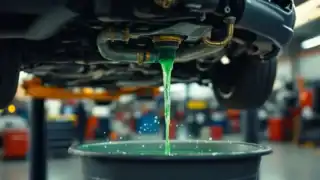
Your car will usually signal a cooling system problem before it becomes critical. The most obvious indicator is a coolant leak underneath your vehicle — you might notice bright green, orange, or pink fluid pooling where you’ve parked. Some leaks are small and gradual; others are sudden and dramatic. Either way, a leak means your radiator or one of its connections needs inspection.
Temperature gauge behaviour is another key warning sign. If your Chevrolet’s temperature needle climbs higher than normal during driving, or if it spikes suddenly after idling, the radiator may be losing efficiency. You might also notice white steam coming from under the bonnet, a sweet smell from the engine bay, or the engine actually overheating while you’re driving — these are urgent signs that require immediate attention to avoid engine damage.
Less dramatic but equally important are signs like reduced heating inside the cabin (even when the engine is warm) or a musty, sweet odour in the air. These can indicate coolant circulation issues related to radiator blockage or internal corrosion. Some Chevrolet owners notice their fans running constantly or cycling more frequently than usual — this is often the thermostat or cooling system struggling to maintain temperature control.
How We Diagnose and Repair Chevrolet Radiator Issues
Chevrolet radiator repair starts with a thorough coolant system inspection. We check coolant colour and condition — degraded coolant appears discoloured or cloudy and loses its ability to protect against corrosion and heat transfer. We inspect radiator hoses for cracks, splits, or soft spots, check all connection points for weeping or pooling, and examine the radiator core itself for visible damage or blockage. For Chevrolet vehicles, we also verify that the cooling fans are cycling correctly and that the thermostat is opening and closing as the engine warms up.
If we identify a leak, we’ll trace it to its source — sometimes it’s a cracked radiator, sometimes a loose hose clamp or a failing water pump. If the radiator is blocked internally (common in older Chevrolets or vehicles with neglected coolant changes), we’ll assess whether a flush and refill can restore function or whether radiator replacement is necessary. We also check the radiator cap and the pressurisation system, as a faulty cap can cause coolant loss and overheating even if the radiator itself is sound.
For Chevrolet vehicles, we align our repair approach with the manufacturer’s specifications for coolant type, thermostat opening temperature, and radiator design. Some Chevrolet models use aluminium radiators, others use plastic end tanks — the repair method depends on the specific model and the extent of damage. If replacement is needed, we source quality radiators with manufacturer warranty, ensuring your car gets the right component, not a generic substitute.
What Influences Cost and Repair Time for Your Chevrolet
The cost of Chevrolet radiator repair depends on several factors. A radiator leak caused by a loose hose or clamp is inexpensive and quick. A cracked or failing radiator that needs replacement costs more and takes longer because we need to drain the coolant system, disconnect multiple hoses and brackets, and install the new radiator. The age of your Chevrolet also matters — older models may have corroded bolts or difficult access that adds labour time.
Parts availability plays a role as well. Some Chevrolet radiators are readily available; others take a few days to source. We’ll discuss options with you upfront — whether we’re using an OEM-equivalent radiator or a quality aftermarket component — so you understand what you’re getting and why. A complete radiator replacement typically takes a few hours, while diagnosis and repair of a smaller leak might be done the same day.
Coolant flushes and refills are part of the picture too. If we find that old, degraded coolant contributed to your radiator failure, we may recommend a system flush to remove contaminants and corrosion before installing a new radiator. This protects your investment and prevents the new radiator from being damaged by the same coolant that failed the old one.
Why Star Mechanical Repairs for Your Chevrolet Radiator Repair in Northmead
We’re owner-operated and family-run, which means you’re dealing with people who genuinely care about your car’s reliability and your trust. Sarkis has over a decade of hands-on mechanical experience and understands cooling systems — timing chains, brakes, transmissions, and every component in between. We don’t upsell unnecessary work or pressure you into repairs you don’t need. Every repair is explained clearly before we start, so you know exactly what’s happening and why.
We use quality parts with manufacturer warranty, which matters for your Chevrolet’s longevity. We inspect your vehicle thoroughly, diagnose honestly, and give you options. If a radiator can be safely repaired rather than replaced, we’ll tell you. If replacement is necessary, we’ll explain the difference between available radiators and help you choose the right one for your vehicle and budget.
Book Your Free Inspection to have your Chevrolet’s cooling system checked, or Call Us Now to arrange a time that suits your schedule. We’ll get your Chevrolet back on the road with confidence.