European Servicing Starts From $349 & Free Pink Slip W/ Any Service

Family-Owned & Operated
European Specialists
5★ Reviews
Repairs Explained Upfront

Verified 5★ Reviews

Professional Brake Specialist In Northmead

Your brakes are too important to guess with. Our Northmead workshop provides thorough brake inspections and repairs, with every finding explained clearly before any work begins.

Euro Specialists

Honest Advice

5★ Reviews

Brake Safety Inspections

Book Your Free Inspection

Fill in the form and we'll be in touch to confirm your booking.

Booking Form
  • Vehicle Details
  • Confirm Vehicle
  • Services
  • Contact Details
No Pressure Advice
Work Explained First
Family-Run Workshop

Why Book With Us

Book Your Free Inspection
Drop Off Your Car
We Get to Work
Collect and Drive Away

Your brakes are the one system on your car you can’t afford to get wrong. As a brake specialist in Northmead, we look after the whole braking system, from pads and discs through to fluid, callipers and lines. When something feels off, the safest move is to have it checked before a small issue becomes a dangerous one. We’ll tell you honestly what your car needs and what can wait.

What Are the Warning Signs Your Brakes Need Attention?

Brake wear happens gradually, so it’s easy to get used to a car that isn’t stopping as well as it should. The trick is knowing what to listen and feel for. Here are the signs we see most often in the workshop:

  • Squealing or screeching when you press the pedal. Many pads have a built-in metal wear indicator that squeals on purpose to warn you they’re getting thin.
  • A grinding sound, which usually means the pad material is gone and metal is contacting your brake disc (the metal plate the pads clamp onto).
  • A soft or spongy pedal that sinks further than normal. This can point to air or moisture in the brake fluid, or a leak in the system.
  • Vibration or pulsing through the pedal when braking, often caused by warped or unevenly worn discs.
  • The car pulling to one side when you brake, which can mean a sticking calliper or uneven wear.
  • A brake warning light on the dash that stays on.

If you notice any of these, don’t put it off. Worn brakes need longer distances to stop, and that gap matters most in the wet or in traffic along the Windsor Road corridor.

What Happens During a Brake Inspection and Service?

We start by getting the wheels off and looking at the whole system, not just the part that’s making noise. Our team measures pad thickness and checks the discs for scoring, warping and thickness against the manufacturer’s minimum. We inspect the callipers to make sure they’re moving freely, check the flexible hoses and hard lines for cracks or leaks, and test the brake fluid for moisture, since old fluid absorbs water and reduces stopping performance.

From there we walk you through exactly what we’ve found before we touch anything. If you need new pads and discs, we’ll fit quality parts and bed them in properly. If it’s a fluid flush or a seized calliper, we’ll explain why. Nothing gets replaced without you understanding the reason first. That no-pressure approach is deliberate, and it’s the opposite of being handed a list of work you didn’t ask about.

What Affects the Cost and Time of Brake Work?

Brake jobs vary a lot depending on the car and how far the wear has gone. A straightforward front pad replacement is quick, while a full front-and-rear job with new discs, fluid and a calliper takes longer. The main things that affect the price and time are:

  • Whether you need pads only, or pads and discs together.
  • Front, rear, or all four corners.
  • The vehicle itself. European models such as BMW, Mercedes, Audi and Volkswagen often use larger brake components and electronic wear sensors that add to parts and labour.
  • Whether we fit OEM-spec or quality aftermarket parts, which we’ll always discuss with you.
  • Parts availability for less common models.

We aim for fair value, not the cheapest quick fix. You’ll get a clear explanation of the options before any work starts, so there are no surprises when you pick the car up.

Why Choose Star Mechanical Repairs for Your Brakes?

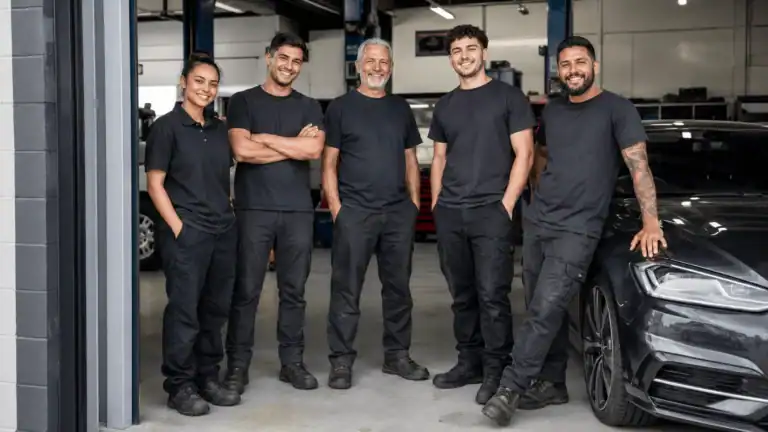
We’re a family-run, owner-operated workshop, and brakes are one of our signature strengths alongside timing chains and transmission work. Owner Sarkis has spent over a decade hands-on in the trade, starting as a mechanic at 16, and that experience shows in careful diagnosis rather than guesswork.

We’re European vehicle specialists, so we understand the braking systems and electronic wear sensors used across BMW, Mercedes, Audi and Volkswagen, but we happily look after all makes. Our customers have left us a 4.8 star rating across more than 115 reviews, which reflects how we work: honest advice, quality parts backed by manufacturer warranty, and every repair explained clearly before we begin. We service drivers across Northmead and the wider Parramatta area, including families, commuters and fleet vehicles that need reliable stopping day after day.

Book Your Brake Check in Northmead

If your brakes are squealing, grinding or just don’t feel right, don’t wait. Call Us Now or Book Your Free Inspection online, and we’ll get your brakes checked and sorted at our Northmead workshop.

Other Services

Whatever your needs we have you covered, see some similar services below or click "See All Services" to explore our full service offering.

Honest Mechanics Who Know European Cars

Star Mechanical Repairs is a family-run workshop in Northmead specialising in European vehicles. Owner Sarkis brings over a decade of hands-on experience and a simple promise: quality work, honest advice, at a fair price.

European Vehicle Specialists

Deep experience with BMW, Mercedes, Audi and VW means your car is in the right hands.

No Surprises, No Pressure

Bring your vehicle in and we’ll carry out a thorough inspection before any work begins.

Full Brake System Assessed

Brakes are a core strength here — we check the full system, not just the pads.

How Our Brake Service Works

Brake work at Star Mechanical Repairs follows four clear steps, from your first call to driving away with confidence.

Step 1

Book Your Free Inspection

Call Us Now or Book Your Free Inspection online and tell us what you've noticed with your brakes.

Step 2

Brake System Inspection

We measure pad thickness, inspect rotors for wear and heat damage, and test brake fluid condition throughout.

Step 3

Brake Repair and Replacement

We replace worn pads, machine or replace rotors, and fit quality parts suited to your vehicle's specifications.

Step 4

Safety Check and Handover

We test drive your vehicle to verify braking performance before you collect it, and walk you through what was done.

Rated 4.8 Stars by Our Customers

Verified 5★ Reviews

Quality Parts From Trusted Suppliers

We source quality genuine and reputable aftermarket parts from trusted suppliers, so every repair is backed by manufacturer warranty and built to last.

Book Your Free Inspection

Fill in the form and we'll be in touch to confirm your booking.

Booking Form
  • Vehicle Details
  • Confirm Vehicle
  • Services
  • Contact Details
No Pressure Advice
Work Explained First
Family-Run Workshop

Why Book With Us

Book Your Free Inspection
Drop Off Your Car
We Get to Work
Collect and Drive Away

Common Questions, Honest Answers

Browse the questions below for straightforward answers about our services. If you can't find what you're looking for, give us a call and we'll help.

A brake specialist focuses specifically on the braking system rather than treating it as one item on a long checklist. At Star Mechanical Repairs, we inspect every component in detail: brake pads, rotors (the discs your pads clamp against), brake fluid condition, callipers, brake lines, and the handbrake mechanism. Because brakes are safety-critical, that level of attention matters. A thorough brake inspection means we catch worn components or fluid contamination early, before they become a more serious or costly problem.

A grinding noise usually means your brake pads have worn through completely and metal is contacting the rotor. Continuing to drive in this condition risks damaging the rotors, which significantly increases repair costs, and more importantly, reduces your ability to stop safely. If you’re hearing grinding, squealing that doesn’t stop, or feeling a pulsing sensation through the brake pedal, we’d strongly recommend getting the car inspected as soon as possible rather than leaving it.

Brake service costs vary depending on which components need replacing, your vehicle’s make and model, and whether the issue involves just the pads or also the rotors and callipers. European vehicles like BMW, Mercedes and Audi often use parts that differ in specification from common Japanese models, which can affect pricing. We’ll always inspect first and explain exactly what’s needed before any work begins, so there are no surprises on the invoice.

Under Australian consumer law, as explained in ACCC guidance, you’re generally not required to have your vehicle serviced at a dealership to maintain your manufacturer warranty. An independent workshop can perform brake work provided it meets the manufacturer’s specifications and quality parts are used. This is general information rather than legal advice, so it’s worth checking the specifics of your warranty if you have concerns. We’re happy to walk you through what we do and the parts we use.

We start by measuring the remaining thickness of your brake pads and inspecting the rotors for wear, scoring, or warping. We check the brake fluid level and condition, since old or contaminated fluid (fluid that has absorbed moisture over time) can reduce braking performance. Callipers, brake lines, and the handbrake are also checked. After the inspection, we’ll explain what we found in plain terms, show you the worn parts if relevant, and give you a clear picture of what’s needed before any work starts.

There’s no fixed kilometre interval that applies to everyone. Brake pad life depends heavily on your driving style, vehicle weight, and the type of driving you do. Stop-start city driving and regular towing wear pads faster than highway commuting. As a general guide, many drivers find pads need attention somewhere between 30,000 and 70,000 kilometres, but the only reliable way to know is a physical inspection. We recommend having your brakes checked at least once a year or whenever you notice a change in how the pedal feels or sounds.

Yes, and this is a symptom that genuinely needs attention. Pulling to one side during braking usually points to a stuck or seized calliper on one side, uneven rotor wear, or a brake hose that’s restricting fluid flow. We see this fairly regularly here in Northmead, and it’s the kind of issue that worsens over time. Getting it inspected quickly means we can pinpoint the cause without guesswork, and you’ll have a car that brakes straight and predictably again.

Brake pads are the friction material that clamps against the rotor (the metal disc attached to your wheel) to slow the car down. Pads wear out faster than rotors, so they’re replaced more often. Rotors can usually be reused if they’re within the manufacturer’s minimum thickness spec and haven’t developed deep grooves or warping. If a rotor is too thin or damaged, replacing it alongside the pads makes sense both for safety and to get the most from new pads. We’ll measure and assess both during the inspection.

Continue to site