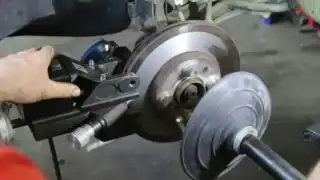
BMW brake systems are engineered for precision and stopping power, but they demand specialist attention when wear or issues arise. A BMW brake specialist in Northmead who understands the specific architecture of your model can identify problems early, keep your brakes performing reliably, and avoid expensive component failure down the track. Whether you’re noticing a soft pedal, unusual noises, or simply want to maintain your BMW to manufacturer standards, the right diagnostic approach makes all the difference.
Common Warning Signs Your BMW Brakes Need Inspection
Your BMW will usually give you a clear signal when brake attention is needed. Most modern BMWs have wear sensors built into the brake pad backing plate; when pads reach a set thickness, the sensor completes an electrical circuit and triggers a dashboard warning light. Don’t ignore this alert, even if the brakes still feel responsive. The warning exists to catch wear before it damages the rotor.
Beyond the dash light, listen and feel for these indicators:
- A squealing or squeaking sound when braking, especially in light rain or at low speed
- A grinding metallic noise, signalling pad material has worn through to the backing plate
- A soft or spongy brake pedal that requires more pressure than usual to stop the car
- Vibration or pulsing in the pedal or steering wheel during braking
- Longer stopping distances or brakes that feel less responsive than normal
- A burning smell after heavy braking or extended downhill driving
Any of these warrant an immediate brake inspection. Brakes are a safety-critical system; addressing wear early prevents component failure and keeps you, your passengers, and other road users safe.
How BMW Brake Diagnosis and Service Works
A proper BMW brake specialist doesn’t simply replace pads and hope for the best. BMW models use condition-based servicing intervals rather than fixed time schedules, which means the diagnostic process needs to assess actual wear state, not just mileage. We start by lifting your BMW and visually inspecting the brake pads, rotors, and callipers for wear depth, rust, scoring, and fluid leaks.
The inspection covers several make-specific points. BMW rotors are often thinner than aftermarket alternatives, so we measure rotor thickness against the manufacturer’s minimum specification to determine whether resurfacing or replacement is necessary. We check the condition of the brake fluid itself, which absorbs moisture over time and loses effectiveness; BMW’s iDrive system may flag fluid condition degradation, and we test for this during service. We also inspect the brake callipers for corrosion or piston stiction, which can cause uneven pad wear and poor stopping power on one corner of the car.
For models with electronic brake distribution or advanced stability systems, we’ll run a diagnostic scan to ensure no faults are stored in the brake control module. Some BMW models have dual-circuit braking systems that require specific bleeding procedures if any component is disturbed. We follow BMW’s service procedures precisely, using genuine or OEM-equivalent fluid and parts that match your vehicle’s engineering specifications.
What Affects Brake Service Cost and Timeline
Several factors determine how long a brake service takes and what you’ll need to spend. The extent of wear is the primary variable: simple pad replacement is straightforward, but if rotors are scored or oversized, replacement becomes necessary and extends the job. Callipers can sometimes be restored through cleaning and seal replacement; other times they need full renewal, especially on higher-mileage BMW models where corrosion has set in.
Parts availability also plays a role. Genuine BMW brake components are reliable and carry a manufacturer warranty, which we always recommend for safety-critical items. Aftermarket alternatives may save upfront cost but often don’t last as long or meet BMW’s engineering tolerances as closely. We’ll explain the difference between options before starting work so you can decide what suits your needs and budget.
The brake fluid itself is worth mentioning. BMW specifies DOT 4 high-temperature fluid, and if we’ve found moisture contamination or the fluid is overdue for a change, a complete fluid flush and bleed is the right move. This takes longer than a pad-only job but protects the integrity of your entire braking circuit.
Why Star Mechanical Repairs is Your BMW Brake Partner in Northmead
Not every mechanic has the specific knowledge that BMW brake systems demand. We’re European vehicle specialists with over a decade of hands-on mechanical experience, and brakes are one of our core areas of expertise. Our owner-operated approach means you’re dealing with someone who genuinely cares about the quality of work and your safety, not a faceless chain where corners get cut to meet productivity targets.
We’re transparent from the start. You’ll understand exactly what we’ve found during inspection, why it needs attention, and what your options are before we touch a spanner. No upselling, no pressure. We use quality parts with manufacturer warranty backing, and every repair is explained clearly so you know what’s been done and why. Star Mechanical Repairs is equipped with the diagnostic tools necessary for BMW work, and our experience with timing chain, transmission, and brake systems across BMW, Mercedes, Audi, and Volkswagen models means we’ve seen the common patterns and know how to spot emerging issues before they become expensive problems.
Book Your BMW Brake Inspection Today
If your BMW’s brakes aren’t performing as they should, or if your dashboard warning light has appeared, don’t delay. Brake issues only worsen, and the longer you leave them, the more damage spreads to surrounding components. Call Us Now or Book Your Free Inspection online. We’ll get your brakes back to safe, responsive condition and explain everything along the way. We service the Northmead area and surrounding suburbs with the same commitment to quality and transparency.