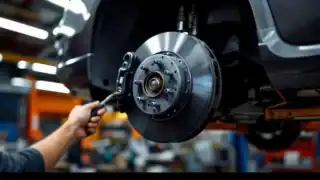
Mazda brake specialist work in Northmead starts with one simple principle: your brakes are your first line of defence between a safe stop and an emergency. Brake systems on Mazda vehicles are engineered to precise OEM specifications, and when they begin to fade, squeal, or feel spongy underfoot, you need someone who understands Mazda’s brake architecture and can diagnose the exact problem rather than guessing. We work with Mazda owners across the Parramatta corridor who need honest, transparent brake service without the upsell pressure you might find at chain workshops.
Common Signs Your Mazda Brakes Need Inspection
Mazda vehicles often show brake wear signals that shouldn’t be ignored. If you’re noticing any of these, book a free inspection rather than waiting for the warning light or the problem to worsen.
- Soft, spongy, or low brake pedal that sinks toward the floor
- Squealing or grinding noises when braking, especially in cold mornings
- Brake warning light showing on the dash
- Vibration or pulsing through the pedal during braking
- Longer stopping distances or reduced braking confidence
- Uneven brake feel (one side grabs harder than the other)
- Fluid leaks visible under the vehicle near the wheels
Mazda brake systems rely on fluid pressure and friction to work. Any change in feel, noise, or stopping power is worth investigating immediately. Brake failure isn’t a slow breakdown you can postpone, it’s a safety hazard that can escalate quickly.
How We Diagnose and Service Your Mazda Brakes
A Mazda brake specialist inspection isn’t just about replacing worn pads. We follow a structured diagnostic process that identifies the root cause, not just the symptom.
We start by test-driving your vehicle to feel how the brakes respond under load. Does the pedal feel firm or soft? Do the brakes pull to one side? Is there noise or vibration? This real-world feedback tells us a lot before we even lift the car. Once on the hoist, we visually inspect all four wheels: brake pad thickness, rotor condition, caliper alignment, and flex in the brake lines. We measure rotor thickness and runout (how much the rotor wobbles when spinning) because Mazda rotors have specific thickness minimums. If they’re below spec, they must be replaced, not just resurfaced.
We also inspect the brake fluid itself. Mazda uses DOT 3 or DOT 4 brake fluid depending on the model year, and that fluid absorbs moisture over time. Old, contaminated fluid can reduce braking effectiveness and corrode internal brake components. If the fluid looks dark or has been in the system beyond two years, we’ll recommend a fluid flush alongside any other work.
For Mazda models with ABS (anti-lock braking system), we scan the vehicle’s on-board diagnostics to check for sensor faults or electrical issues that might cause that warning light. A spongy pedal on a newer Mazda with ABS can indicate low fluid, air in the lines, or a sensor malfunction. Each has a different fix, and we’ll identify which one applies to your car.
Once we’ve diagnosed the issue, we’ll explain exactly what we found and why it matters. No pressure, no unnecessary recommendations. If your pads are at 4mm thickness and you drive city traffic, we might suggest replacing them now to avoid an emergency stop. If your rotors are within spec and your fluid is fresh, we’ll say so and let you know when to come back.
What Affects Brake Service Cost and Timing in Northmead
Several factors determine how much brake work will cost and how long it takes. Being honest about these variables helps you understand the bill before we start.
Parts availability: Mazda brake pads and rotors are widely available, so we’re rarely delayed sourcing parts. We fit quality aftermarket pads with manufacturer warranty, or OEM Mazda parts if you prefer. You choose based on your needs and budget.
Severity of wear: If only pads are worn, the job is straightforward and fast. If rotors are scored, warped, or below minimum thickness, they must be replaced too. This adds time and cost. Caliper issues (sticking pistons, leaking seals) are more involved and take longer to repair.
Brake fluid condition: A fluid flush adds time to any brake job. If contamination is bad, we flush the entire system and refill with fresh DOT-spec fluid matching your Mazda.
Model and year: Older Mazda models with traditional drum brakes on the rear take longer to service than newer vehicles with four-wheel disc brakes. We’ll give you a realistic time estimate once we’ve inspected your specific vehicle.
Why Northmead Car Owners Choose Us for Mazda Brake Service
We’re a family-run workshop with over a decade of hands-on mechanical experience. Owner Sarkis has been a mechanic since age 16 and built Star Mechanical Repairs on honest advice and quality repairs, not upselling. We specialise in European vehicles (BMW, Mercedes, Audi, Volkswagen), and we apply that same meticulous diagnostic approach to every Mazda that comes through the door.
You’ll know exactly what your brakes need before we touch them. We explain the findings clearly, answer your questions without jargon, and never pressure you into work you don’t need. Every brake repair includes quality parts with manufacturer warranty, and we always explain the steps before we start.
We’re experienced with timing chain issues, transmission work, and complex brake diagnostics. The kind of mechanical depth that matters when your safety depends on the repair. And we’re local to Northmead, which means you’re working with someone who understands the roads and the vehicles in this area. Our 4.8-star rating across 115+ reviews reflects our commitment to fair pricing and honest advice.
Book Your Mazda Brake Inspection Today
If your Mazda’s brakes are making noise, feeling soft, or you just want a professional inspection, Call Us Now or Book Your Free Inspection online. We’ll get you sorted with honest advice and quality work at fair value, right here in Northmead.