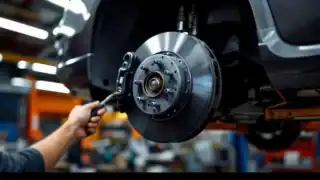
Brake performance is the single most important safety system on your Mazda. Unlike other components that fail gradually, brake problems can develop quickly and with serious consequences. A Mazda brake service in Northmead involves far more than just replacing worn pads. We inspect your entire braking system, diagnose issues before they become dangerous, and use parts matched to Mazda’s engineering specifications to restore safe, responsive stopping power.
Warning Signs Your Mazda Needs Brake Attention
Brake issues rarely announce themselves with a single symptom. Your Mazda may show several warning signs that indicate it’s time for a professional inspection. Pay close attention to how your brakes feel and sound.
- Soft or spongy brake pedal that sinks lower than usual
- Brake pedal feels hard to press or requires excessive pressure
- Squealing or grinding sounds when braking, especially in wet weather
- Visible pulsing or vibration through the steering wheel during braking
- Brake warning light on the dashboard
- Vehicle pulls to one side when braking
- Brake fluid leaks under the car
- Metallic smell after braking, particularly on downhill stretches
Any of these signs warrants a brake inspection immediately. Mazda brake systems are designed to be predictable and responsive, so changes in feel or noise mean something needs attention now, not later.
How We Inspect and Service Your Mazda’s Brakes
Every Mazda brake service starts with a thorough diagnostic inspection. We don’t assume pads are the only problem or rush into parts replacement. We examine the complete braking system to understand exactly what’s needed.
We begin by lifting your Mazda safely and removing the wheels to inspect pad thickness, rotor surface condition, and brake calliper function. Mazda rotors are engineered for specific thickness tolerances, so we measure them against factory specifications rather than guessing whether they can be reused. We check brake fluid colour and condition, as degraded fluid loses its ability to transmit stopping force effectively and can damage internal brake components. We also inspect all brake lines and hoses for cracks, corrosion, or leaks that could lead to loss of braking pressure.
For Mazda vehicles, we follow the brake service schedule outlined in your owner’s handbook. Mazda’s maintenance intervals vary by model year and driving conditions, so we confirm your specific vehicle’s requirements before recommending work. If your Mazda has anti-lock braking (ABS), we perform diagnostic tests to ensure the ABS module and sensors are functioning correctly. A faulty ABS sensor can trigger the brake warning light and reduce system effectiveness on wet roads.
Once the inspection is complete, we explain exactly what we’ve found before any work begins. If your pads are good but rotors need replacement, we tell you. If only one wheel’s brakes need attention, we explain that too. We don’t pressure you into extra work or upsell parts you don’t need. Our job is to give you honest advice and fix what’s necessary to make your brakes safe and reliable.
Brake Parts and Quality Standards for Your Mazda
The quality of brake components directly affects how your Mazda stops and how long the system stays reliable. We fit brake pads and rotors that meet or exceed Mazda’s original equipment specifications. Using parts engineered to match your vehicle’s weight, suspension geometry, and brake system design ensures consistent braking feel and prevents premature wear elsewhere in the system.
Brake fluid is another critical element many workshops overlook. Mazda specifies DOT 3 or DOT 4 fluid depending on model year and market. Using the correct specification prevents moisture absorption and maintains system safety. If we flush and replace your brake fluid during service, we use fluid that meets Mazda’s standards, and we record the service in your vehicle history.
What Affects Brake Service Time and Cost
Brake service timeframes depend on several real factors. A straightforward pad and rotor replacement takes a few hours. If rotors are worn and new ones need machining or ordering, the job may extend to a day or require a return visit. Brake fluid flushes take longer than pad replacement because we need to purge air from all lines and ensure proper system pressure.
Mazda model variations also matter. Newer Mazdas with larger brakes or integrated ABS systems require more diagnostic time than older models. We don’t charge you for waiting time. We’ll provide a timeframe when we inspect the vehicle, and we keep you updated if work takes longer than expected.
Cost depends on which components need replacement, parts availability, and whether your Mazda requires additional work like brake fluid flushing or calliper inspection. We never guess at cost. After the inspection, we explain what needs fixing and give you a clear picture of what it will involve before we start work. If you need time to think about it or get a second opinion, that’s fine. We want you to feel confident about the work before you commit.
Why Northmead Car Owners Trust Star Mechanical Repairs With Mazda Brakes
We’re a family-run workshop owned and operated by someone who has been a mechanic for over a decade. We don’t work on commission, and we don’t have quotas to meet. That means we recommend only the work your Mazda actually needs, not extra services to pad the bill.
Our approach to brake service reflects that philosophy. We inspect thoroughly, explain clearly, and let you decide. We stock quality brake components with manufacturer backing, so you know the parts we fit are reliable. For Mazda owners in Northmead and the wider Parramatta area, that’s a genuinely different experience from chain-store servicing where technicians feel pressure to upsell.
Book Your Mazda Brake Service Inspection in Northmead
If your brakes feel soft, noisy, or unpredictable, don’t wait for the problem to get worse. Call Us Now or Book Your Free Inspection online. We’ll diagnose what’s happening and give you honest advice on what needs fixing.