European Servicing Starts From $349 & Free Pink Slip W/ Any Service

Family-Owned & Operated
European Specialists
5★ Reviews
Repairs Explained Upfront

Verified 5★ Reviews

Reliable Honda Brake Service In Northmead

Your Honda's brakes are safety-critical. We inspect, diagnose, and service them thoroughly in Northmead with honest advice and no pressure. Book your free inspection.

Euro Specialists

Honest Advice

5★ Reviews

Honda Brake Diagnostics

Book Your Free Inspection

Fill in the form and we'll be in touch to confirm your booking.

Booking Form
  • Vehicle Details
  • Confirm Vehicle
  • Services
  • Contact Details
No Pressure Advice
Work Explained First
Family-Run Workshop

Why Book With Us

Book Your Free Inspection
Drop Off Your Car
We Get to Work
Collect and Drive Away

Your Honda’s braking system is one of the most important safety features on the car. When brake pads wear down, rotors become damaged, or fluid loses its effectiveness, your ability to stop safely is compromised. Honda brake service in Northmead at our workshop focuses on diagnosing and repairing brake issues before they become a safety risk. Whether you’re noticing a soft pedal, unusual noises, or longer stopping distances, a proper inspection can identify exactly what needs attention and what doesn’t.

Warning Signs Your Honda Needs Brake Attention

Honda drivers often ignore early brake warning signs because the car still stops, just not as sharply as before. That’s exactly when you should have the system inspected. Here are the symptoms that typically bring vehicles into our Northmead workshop for brake assessment:

  • A soft or spongy brake pedal that feels like it’s sinking toward the floor
  • High-pitched squealing when braking, especially in wet or cold conditions
  • Grinding sounds during braking, which indicates brake pads have worn through to the metal
  • Brake pedal that requires harder pressure than usual to slow the vehicle
  • Uneven braking or the car pulling to one side when you press the pedal
  • Dashboard brake warning light staying on after you release the handbrake
  • Visible rust or corrosion on brake components visible through the wheel

Most of these signs point to either worn brake pads, fluid contamination, or rotor damage. Honda models are generally reliable, but brake wear is inevitable and depends on driving habits, road conditions, and the quality of parts fitted previously.

How We Inspect and Service Honda Brakes

A proper Honda brake service starts with a complete system inspection. We don’t just replace pads and call it done. Our approach unpacks what’s actually happening with your braking system so you understand what needs repair and what’s still safe.

Visual inspection begins with the wheels off. We look at brake pad thickness, rotor condition, caliper operation, and brake hose integrity. For Hondas, we also check the brake fluid level and condition, since fluid contamination is a common issue that reduces stopping power. We measure rotor thickness and runout (warping) to determine if resurfacing or replacement is needed.

Brake fluid testing is often overlooked, but it’s critical. Honda vehicles use DOT 3 or DOT 4 brake fluid depending on the model year. Over time, fluid absorbs moisture from the air, which lowers its boiling point and reduces braking performance. A simple moisture test tells us if the fluid needs flushing and replacement.

Road test comes next. We drive the vehicle to feel how the brakes respond, whether there’s pulling or vibration, and whether warning lights appear. This real-world feedback often reveals issues that a static inspection alone misses.

Once inspection is complete, we explain exactly what we found. If your brake pads are at 3mm thickness, we’ll tell you. If the rotors are warped, we’ll show you the measurement. Then you’ll know whether you need service now or whether a simple pad replacement will keep you safe for another six months.

Honda Brake Service Components and Timing

Honda’s factory service schedule recommends brake fluid replacement every two years, regardless of mileage. Brake pads typically last 40,000 to 70,000 kilometres depending on driving style and road conditions. Rotors can last much longer if pads are replaced before they wear through, but once the metal contacts metal, rotor damage accelerates quickly.

If your Honda is due for brake service, the job usually includes replacing pads on one or both axles, flushing old brake fluid, and topping up with fresh DOT-spec fluid. If rotors are damaged, they’re either resurfaced (if thickness allows) or replaced. All work follows Honda’s specifications to ensure stopping power and safety compliance.

Cost and Time Factors for Brake Service

What you’ll pay for Honda brake service depends on what’s actually worn. A simple pad replacement and fluid top-up costs significantly less than full rotor and pad replacement with a complete fluid flush. Labour time varies too: a straightforward pad job might take an hour or two, while a rotor replacement with fluid flush takes longer.

Parts availability is rarely an issue with Hondas. OEM brake pads and rotors are readily stocked, and quality aftermarket equivalents are always available. We use parts with manufacturer warranty so you’re protected if something fails prematurely. We’ll always discuss whether OEM or quality aftermarket parts make sense for your situation before we start work.

One thing we don’t do is recommend brake work you don’t need. Some workshops replace rotors routinely even when they’re still within safe thickness limits. We measure and advise based on actual condition, not quota. This honest approach to brake service is exactly why local drivers trust us with safety-critical work.

Why Star Mechanical Repairs Is Your Northmead Brake Service Partner

We’re a family-run workshop owned and operated by a mechanic with over a decade of hands-on mechanical experience. That matters when you’re entrusting your brakes to someone. We specialise in European vehicles including BMW, Mercedes, Audi, and Volkswagen, but we service all makes competently, and Hondas are straightforward cars to work on when you know what you’re doing. Our experience spans brake systems, timing chain replacement, transmission service and repair, and logbook servicing across multiple manufacturers.

Every repair is explained before we touch your car. You’ll understand what the inspection found, what needs fixing, why it needs fixing, and what the alternatives are. No pressure, no upselling, no surprise invoices. That transparency is foundational to how we work, especially for safety-critical systems like brakes. We’re rated 4.8 stars across 115 and more 5-star reviews from customers who’ve experienced our honest approach.

We use quality parts with manufacturer warranty and stand behind our work. When you drive away from our Northmead workshop, you’ll know exactly what was done and why.

Book Your Honda Brake Inspection Today

If you’ve noticed any brake symptoms or your Honda is due for routine brake fluid replacement, book your free inspection with us. Book Your Free Inspection online or Call Us Now to schedule a time that suits you. We’ll get your Honda’s brakes sorted quickly and honestly.

Other Services

Whatever your needs we have you covered, see some similar services below or click "See All Services" to explore our full service offering.

Honest Mechanics Who Know European Cars

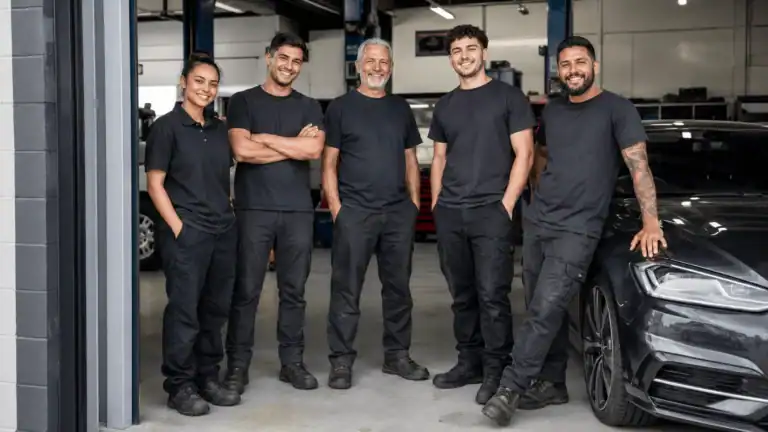
Star Mechanical Repairs is a family-run workshop in Northmead specialising in European vehicles. Owner Sarkis brings over a decade of hands-on experience and a simple promise: quality work, honest advice, at a fair price.

European Vehicle Specialists

Deep experience with BMW, Mercedes, Audi and VW means your car is in the right hands.

No Surprises, No Pressure

Bring your vehicle in and we’ll carry out a thorough inspection before any work begins.

Honda Brake System Expertise

We know Honda brakes inside out, catching issues early to keep you safe.

How Honda Brake Service Works

From booking your free inspection through to collection, we walk you through every step of professional brake service.

Step 1

Book Your Free Inspection

Book your free inspection to diagnose your Honda brake needs and get a clear picture of what's required.

Step 2

Honda Brake System Inspection

We measure pad thickness, rotor condition, and fluid quality using Honda-compatible diagnostics and precision tools.

Step 3

Precision Brake Repair

We replace pads, service rotors, and top up fluid to Honda specifications, then verify braking performance.

Step 4

Quality Check & Collection

Your Honda passes final safety verification, then you're back on the road with responsive, reliable brakes.

Rated 4.8 Stars by Our Customers

Verified 5★ Reviews

Quality Parts From Trusted Suppliers

We source quality genuine and reputable aftermarket parts from trusted suppliers, so every repair is backed by manufacturer warranty and built to last.

Book Your Free Inspection

Fill in the form and we'll be in touch to confirm your booking.

Booking Form
  • Vehicle Details
  • Confirm Vehicle
  • Services
  • Contact Details
No Pressure Advice
Work Explained First
Family-Run Workshop

Why Book With Us

Book Your Free Inspection
Drop Off Your Car
We Get to Work
Collect and Drive Away

Common Questions, Honest Answers

Browse the questions below for straightforward answers about our services. If you can't find what you're looking for, give us a call and we'll help.

A Honda brake service typically takes 1 to 2 hours, depending on what our inspection uncovers. If you need new brake pads and a fluid top-up, you’re looking at the shorter end. If the rotors need resurfacing or the brake lines need attention, it’ll take a bit longer. We’ll let you know the estimate before we start work, so you’ll know exactly how long to plan for.

Listen for a high-pitched squealing sound when you brake, or a grinding noise that suggests pads are worn through. You might feel a soft or spongy brake pedal, notice the pedal sitting lower than usual, or see your brake warning light come on. Vibration or pulsing through the pedal when braking is another red flag. Any of these mean you should have your brakes inspected before your next drive.

No. Under Australian consumer law, ACCC guidance generally supports the right to service your vehicle at a qualified independent mechanic without affecting your manufacturer warranty. What matters is that the service is done to the manufacturer’s specifications and documented properly. We keep detailed service records and use quality parts with manufacturer warranty, so your logbook stays current and your warranty stays intact.

We inspect your brake pads, rotors, hoses, and brake fluid for wear and damage. We check pad thickness, measure rotor condition, and test your braking response. If pads are worn, we replace them. If the fluid is old or contaminated, we flush and refill it. We inspect the calipers and lines for leaks or corrosion. You’ll get a clear report of what we found and what we did before you leave.

Brake pads typically last 30,000 to 70,000 kilometres depending on your driving style and conditions. Brake fluid should be checked annually and replaced every 2 to 3 years to prevent moisture buildup and corrosion. Rather than a fixed schedule, the best approach is to have your brakes inspected during your regular service, or sooner if you notice warning signs. We’ll recommend the right interval based on what we see during inspection.

Hondas generally have reliable brake systems, but we do see accelerated pad wear on some models, especially if you do a lot of city driving with frequent braking. Older Honda brake lines can develop corrosion in the right conditions, and brake fluid contamination can happen faster in humid climates. The good news is these issues are straightforward to catch during inspection and maintain with regular servicing. We service Hondas regularly and know what to watch for on each model.

Delaying brake service puts you and your passengers at risk. Worn pads can damage rotors, turning a simple pad replacement into a much more expensive rotor replacement. Neglected brake fluid becomes contaminated, reducing braking performance and increasing stopping distance. In extreme cases, brake failure can occur. Brake problems also worsen quickly, so what might cost you a standard service today could become an urgent repair costing significantly more. Don’t wait for warning signs to worsen.

We use quality aftermarket parts that meet or exceed OEM specifications for Honda brake components. These parts carry their own warranty and perform to the same standard as genuine Honda parts at a better value. If you prefer genuine Honda parts, we’re happy to source them for your service. Either way, all parts are covered by warranty, and your vehicle’s performance and safety are never compromised. We’ll discuss your options when you book.

The cost depends on what your brakes need. A basic pad replacement is at the lower end, while work involving rotor resurfacing, brake fluid flush, or brake line repairs will cost more. We always provide a detailed quote before starting work so there are no surprises. The best way to get an accurate price is to book a free inspection where we assess your specific brake condition and give you an upfront estimate.

Yes. Logbook stamping at an independent workshop is recognised under Australian consumer law when the service is performed to manufacturer specifications and properly documented. We stamp logbooks at Star Mechanical Repairs for every service we complete, keeping your service history current and your warranty protection intact. Bring your logbook with you, and we’ll make sure it’s updated on the day, maintaining a clear service record for your vehicle.

Continue to site