Honda brake repair is one of the most critical services your car will ever need. Your brakes are the single most important safety system on the road, and they’re what stand between your family and a serious accident. If your Honda is showing signs of brake wear, reduced stopping power, or unusual noises, professional inspection and repair isn’t optional—it’s essential. At Star Mechanical Repairs in Northmead, we specialise in Honda brake systems and understand exactly how your Honda’s brakes are designed to work, what can go wrong, and how to fix them properly.
When Do You Need Honda Brake Repair?
Some brake problems announce themselves loudly; others creep up quietly. The most obvious sign is a squealing or grinding sound when you brake. Squealing often means your brake pads are worn down and the friction material is nearly gone. Grinding is more urgent—it means metal is rubbing on metal, and your rotors (the discs your pads grip) are being damaged. If you hear either sound, book your free inspection straight away.
Other warning signs are just as important, even if they’re less obvious:
- A soft or spongy brake pedal that sinks toward the floor
- A brake pedal that feels hard and requires extra pressure to stop
- Brake fluid leaking under your Honda (usually appears as dark drops)
- Your brake warning light on the dashboard
- Vibration or pulsing through the pedal when you brake
- Your Honda pulling to one side when braking
- A burning smell from the wheels after braking hard
Even if you don’t notice symptoms, brake pads naturally wear down over time. Most Honda drivers get between 25,000 and 70,000 kilometres out of a set of pads, depending on driving habits and traffic conditions. If you’re in the Northmead area and do a lot of stop-start commuting, your pads may wear faster than highway drivers. Regular inspection catches wear before it becomes dangerous.
How Honda Brake Repair Works at Our Northmead Workshop
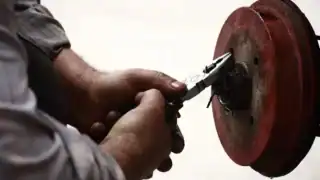
When you bring your Honda in for brake repair, we start with a full inspection. We lift the vehicle safely, remove the wheels, and examine every part of the brake system. We measure your brake pad thickness, check the condition of your rotors, inspect brake hoses for leaks or damage, and test your brake fluid. For Honda models, we also check that your anti-lock braking system (ABS) sensor is working correctly—Hondas use ABS by default, and a faulty sensor can trigger warning lights and affect stopping performance.
Once we’ve diagnosed the problem, we explain exactly what needs to be done before any work begins. If your pads are worn, we’ll recommend replacement. If your rotors are damaged, we’ll either resurface them (if they’re thick enough to machine safely) or replace them. If we find brake fluid leaks, we’ll identify the source—often a leaking caliper or a worn wheel cylinder—and repair that too.
For Honda vehicles, we use quality brake components that match OEM specifications. Genuine Honda parts or quality-equivalent aftermarket pads and rotors ensure your brakes perform exactly as the engineers designed them. We don’t cut corners with low-grade friction material or thin rotors. Your car’s braking system is too important for that.
What Affects Honda Brake Repair Cost and Time
Brake repair cost depends on several factors. Brake pad replacement alone is relatively straightforward and can often be done the same day. Rotor resurfacing or replacement takes longer. If you need caliper repair or replacement, master cylinder work, or brake line replacement, the job becomes more involved.
The condition of your Honda’s brake system also matters. If you catch wear early and only pads need replacing, you’re in good shape. If pads have been ignored and metal-to-metal grinding has damaged your rotors, you’ll need rotor replacement as well, which increases cost and time. Brake fluid leaks may require replacing hoses, which means more labour and a longer turnaround.
Parts availability affects timing too. Most common Honda brake components are in stock or available quickly, so we can usually complete repairs within a day or two. If your Honda is an older model and a part needs to be sourced, we’ll keep you informed every step of the way.
Why Trust Star Mechanical Repairs for Your Honda’s Brakes
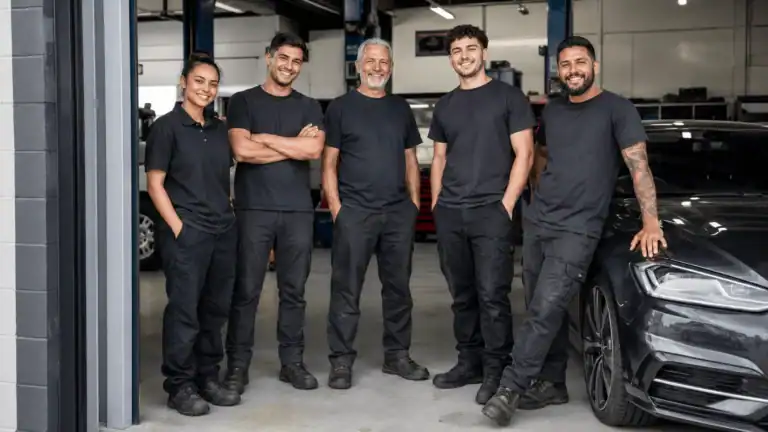
We’re a family-run workshop with over a decade of hands-on mechanical experience, and we’ve built our reputation on transparent, honest advice. We don’t upsell repairs you don’t need, and we don’t rush brake work. When you arrive with brake trouble, we inspect thoroughly, explain everything clearly, and give you options.
Our technicians understand Honda vehicles inside out—from the Civic to the CR-V, from older models to current generation Hondas. We know how Honda’s brake systems are engineered, what they’re prone to, and exactly how to diagnose and repair them properly. We use quality parts with manufacturer warranty backing, and every repair is explained before we start work. You’ll never wonder what we did or why.
We’re owner-operated and genuinely care about getting your brakes right. Brake safety isn’t something we compromise on. Our 4.8-star rating from over 115 five-star reviews reflects our commitment to honest, quality work and transparent customer communication.
Next Steps: Get Your Honda’s Brakes Inspected in Northmead
If your Honda is squealing, pulsing, leaking, or pulling to one side, don’t delay. Book Your Free Inspection with us in Northmead today. Call Us Now or book online, and we’ll get to the bottom of what your brakes need. Safe braking starts here.