Brake problems in European vehicles demand precision and expertise. Whether you’re driving a BMW, Mercedes, Audi, or Volkswagen around Northmead, your braking system is one of the most critical safety components on the road. European vehicles brake repair requires more than a generic approach — it needs someone who understands the specific hydraulic systems, electronic control modules, and performance-grade materials that European manufacturers engineer into their cars. When your brakes feel soft, squeal, or pull to one side, the stakes are high. We inspect and repair European vehicle brake systems with the same attention to detail that went into building them.
Warning Signs Your European Vehicle Needs Brake Attention
Brake issues rarely announce themselves suddenly. Most drivers notice a pattern of changes before a real problem develops. If you’re seeing any of these signs in your BMW, Mercedes, Audi, or Volkswagen, professional inspection is due.
- Soft or spongy brake pedal that requires harder pressure to slow down
- Brake pedal that sinks slowly to the floor while driving or at traffic lights
- Squealing or squeaking noise when braking, especially in cold weather
- Grinding sound during braking, indicating pad wear has reached metal
- Brake warning light on the dashboard, often paired with ABS (anti-lock braking) indicators
- Pulling or veering to one side when braking
- Longer stopping distances or reduced braking power
- Brake fluid that appears dark or smells burnt
European vehicles, particularly those with electronic parking brake systems or regenerative braking (common in hybrid models), can mask brake wear with warning lights rather than physical feedback. Don’t wait for the grinding sound — the dashboard alert is often your first real signal that service is needed.
How We Diagnose and Repair European Vehicle Brakes
Brake repair on European vehicles starts with a complete system inspection. We don’t just look at pads and rotors — we test the entire hydraulic circuit, check brake fluid condition and pressure, measure rotor thickness and runout (warping), and inspect caliper operation and piston seals. For vehicles with electronic stability control, ABS, or electronic parking brakes, we connect diagnostic equipment to read fault codes and confirm whether the issue is mechanical or electronic.
Once we’ve identified the problem, we explain exactly what we find before any work begins. If you need brake pad replacement, we’ll tell you whether the rotors can be resurfaced or must be replaced. If there’s hydraulic fluid loss, we’ll trace the source — corroded lines, failed caliper seals, or a leaking master cylinder. If electronic brake components are involved, we’ll describe how that affects the repair and what parts are necessary.
For European vehicles, we use quality parts that meet OEM specification. Some repairs call for genuine manufacturer components (particularly electronic modules and seals), while others work well with quality aftermarket pads and rotors that deliver the same stopping performance at fairer cost. We’ll discuss that choice with you based on your vehicle’s age, condition, and how you use it.
What Influences Brake Repair Cost and Timeline in Northmead
Several factors affect how much time and cost a brake job will take. The severity of wear determines whether you need pads alone or pads plus rotors, drums, or caliper rebuilds. European vehicles often use larger, more sophisticated brake components than mainstream models, which can affect parts availability and labour time.
Brake fluid condition also plays a role. Most European vehicles benefit from regular fluid flushes (typically every two years), since brake fluid absorbs moisture over time and degrades stopping performance. If your last flush was years ago, a full system flush may be recommended alongside pad or rotor replacement to restore safe braking response.
Whether your vehicle has manual or electronic parking brakes, ABS, or a brake booster also influences the job. Electronic systems require diagnostic equipment and software knowledge — something we have in-house rather than sending your car elsewhere. Caliper or master cylinder replacement takes longer than pad-only work, but we’ll be upfront about what’s actually needed versus what’s optional.
Why European Vehicle Owners Choose Star Mechanical Repairs for Brake Repair
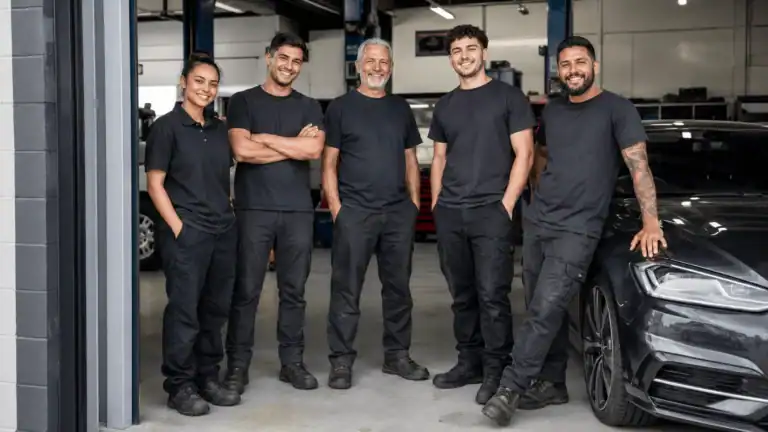
We’re a family-run workshop specialising in European vehicles — BMW, Mercedes, Audi, and Volkswagen are our daily focus. Owner Sarkis has over a decade of hands-on mechanical experience, and brake systems (alongside timing chains and transmissions) are one of our signature strengths. That experience means we see the common failure patterns in European brakes and catch problems before they escalate into expensive repairs.
We don’t pressure you into unnecessary work or upsell components you don’t need. You’ll know exactly what your brakes require before we start, and we explain the reasoning. We use quality parts backed by manufacturer warranty, so you’re protected if something goes wrong. Every repair is carried out thoroughly and tested before you leave, so you drive away knowing your brakes are genuinely safe.
Being owner-operated and specialist-focused means we invest in the diagnostic tools and training that European brake systems demand. We’re not a quick-turnover chain trying to fit six jobs an hour — we do the job right, explain what we’ve done, and charge a fair price for the work. With over 115 five-star reviews, customers trust us to handle their European vehicle brakes with care and integrity.
Next Steps for Your Brakes
If you’ve noticed any brake warning signs or simply want a professional brake inspection, Book Your Free Inspection online or Call Us Now. We’ll put your European vehicle on the ramp, run a full diagnostic, and give you a clear picture of what your brakes need. No pressure, no surprise charges — just honest advice and quality work at a fair price. We’re here to keep you and your family safe on the road.