Chevrolet brake repair is one of the most important services you can keep on top of. Your brakes are what stop your vehicle safely, and when they start to show wear or behave differently, it’s not something to put off. At Star Mechanical Repairs in Northmead, we specialise in diagnosing and repairing brake systems across the Chevrolet range, from older Commodores to modern Captivas and Colorados. Whether you’re hearing noises, feeling a soft pedal, or noticing reduced stopping power, we’ll inspect your brakes thoroughly and explain exactly what needs to be done before we start any work.
Warning Signs Your Chevrolet Brakes Need Attention
Brake problems rarely announce themselves with a single obvious symptom. Instead, you might notice one or more of these signs that tell you it’s time for a brake inspection:
- Squealing or squeaking sounds when you brake, especially in the morning or after rain
- A grinding noise that suggests brake pads have worn through to the rotor
- A soft or spongy brake pedal that requires more pressure than usual
- The brake pedal sinking slowly toward the floor when you hold steady pressure
- Vibration or pulsing through the pedal under braking
- Your vehicle pulling to one side when you apply the brakes
- A burning smell after braking, especially on longer downhill stretches
- The brake warning light appearing on your dashboard
Even if you don’t notice any obvious symptoms, Chevrolet service schedules recommend brake inspections at regular intervals. Many owners in Northmead and the wider Parramatta region do a lot of local driving with frequent stops, which can accelerate brake wear. If your Chevrolet is a few years old and you can’t remember the last time the brakes were checked, a professional inspection is overdue.
How We Diagnose and Repair Chevrolet Brakes
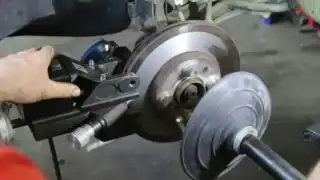
A proper brake repair starts with a thorough inspection. We don’t just look at pad thickness; we examine the entire brake system to understand what’s causing the problem and whether any other components need attention.
Here’s what our brake diagnosis includes for your Chevrolet:
- Measuring brake pad thickness and checking for uneven wear patterns
- Inspecting rotors for scoring, thickness variation, or warping
- Testing brake fluid condition and level
- Checking brake hoses for cracks, leaks, or deterioration
- Inspecting calipers and wheel cylinders for corrosion or sticking
- Testing the brake booster and master cylinder function
- Checking handbrake adjustment and cable condition
Chevrolet brake systems across different models have specific design features, and we’re familiar with how they behave. For instance, the brake booster design in Commodores differs from that in Captivas, and the rotor specifications vary by model year. Once we’ve identified the issue, we’ll explain what’s worn, why it happened, and what your options are. If pads need replacing, we’ll advise on whether a simple pad swap is sufficient or whether rotors should be machined or replaced. If the issue is more complex such as a leaking caliper or failing brake booster, we’ll walk you through what that means and what it will take to fix it.
What Affects Brake Repair Cost and Turnaround Time
Brake repair costs depend on several factors specific to your vehicle and the work required. A simple brake pad replacement is less involved than a full brake system overhaul, and the condition of your rotors, calipers, and hydraulic components all play a role.
Parts availability can affect timing. If your Chevrolet needs OEM-equivalent parts, we source quality components backed by manufacturer warranty. We don’t use mystery parts or cut corners on brake safety. Older Chevrolet models sometimes need parts that take a little longer to source, but we’ll let you know upfront if that’s the case.
The severity of the damage also matters. If your brakes have been neglected and pads have worn completely, rotors may be damaged beyond repair, which means replacement rather than resurfacing. Brake fluid that hasn’t been changed in years might need a full system flush. A vehicle with a failing brake booster requires more time and expertise than a straightforward pad replacement. We’ll give you a clear picture of what’s needed and what timeline to expect before you commit to any work.
Why Star Mechanical Repairs for Your Chevrolet Brakes
We’re owner-operated and family-run, which means every brake repair is treated with the same care and attention. Sarkis has been a hands-on mechanic for over a decade, and brake systems, along with timing chains and transmissions, are areas where we’ve built genuine expertise. We see Chevrolets regularly, and we understand the common wear patterns and failure modes across the range.
Honest advice and no pressure is our approach. If your pads are worn but your rotors are still good, we’ll tell you that and replace just the pads. If a component needs replacing, we’ll explain why and show you the damage if you want to see it. We won’t upsell you work you don’t need, and we won’t rush you into a decision. Every repair is explained clearly before we start, so you know exactly what to expect and why it’s being done.
We use quality parts with manufacturer warranty backing, not cheap aftermarket unknowns. For Chevrolet brake work, that means OEM-spec or equivalent parts that will perform reliably and last. Safety is not a place to save a few dollars.
Book Your Chevrolet Brake Inspection in Northmead
If you’ve noticed any brake symptoms or it’s simply been a while since your brakes were inspected, get in touch to book your free inspection. We’ll get your Chevrolet on the lift, diagnose what’s going on, and give you a straight answer about what needs to be done. Call Us Now or Book Your Free Inspection online and we’ll get you sorted.