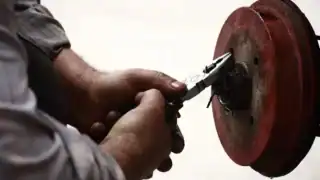
Subaru brake repair is one of the most critical services you can maintain on your vehicle. Your brakes are what keep you, your passengers, and others on the road safe, so any sign of wear or malfunction demands immediate professional attention. At Star Mechanical Repairs in Northmead, we specialise in diagnosing and repairing brake systems across Subaru models, from older Outbacks to newer Foresters and Imprezas. We understand that brake issues can feel urgent and stressful, which is why we focus on getting you a clear, honest assessment of what’s needed and how we’ll fix it, without pressure or unnecessary upselling.
Warning Signs Your Subaru Needs Brake Repair
Some brake problems announce themselves loudly, while others creep up quietly. Learning to recognise the early warning signs can save you money, time, and most importantly, keep you safe on the road.
- Soft or spongy brake pedal: If your brake pedal feels like it’s sinking toward the floor or has lost its firmness, you likely have air in the brake lines or a fluid leak. This is a safety issue and should be inspected immediately.
- Squealing or high-pitched noise: Modern brake pads often have wear indicators that squeal when pads are nearing the end of their life. Subaru models use these indicators as an early warning system, so listen for them.
- Grinding sounds: A grinding or scraping noise means your brake pads have worn through to the metal backing plates. At this point, your rotors are being damaged, and brake repair becomes more expensive.
- Brake pedal feels harder to press: If you’re pressing the pedal further than usual or it feels stiff and unresponsive, your brake booster may be failing. Subaru brake booster repair is a common job we handle, especially on older models.
- Brake fluid leaks: Spots under your car or low brake fluid warning lights signal a leak that needs urgent attention.
- Vibration or pulsing when braking: This usually means your rotors are warped and need replacement or resurfacing.
How We Diagnose and Repair Your Subaru’s Brake System
Every Subaru brake repair starts with a thorough inspection. We don’t assume what the problem is; we measure, test, and show you what we find.
First, we lift the vehicle and visually inspect all brake pads, rotors, calipers, and hoses on all four wheels. We measure brake pad thickness and rotor runout (the amount they wobble) to determine whether they can be resurfaced or need replacement. For Subaru models, we also check the brake fluid condition and level, as Subaru’s hydraulic brake systems are sensitive to moisture and contamination in old fluid.
If you’ve reported a soft pedal or poor braking, we perform a brake pressure test to identify whether the issue is in the master cylinder, wheel cylinders, or brake lines. If a brake booster is suspected, we test its function with a vacuum gauge. Many Subaru owners discover brake booster issues during this diagnostic step, as boosters on certain model years are prone to internal failure.
Once we’ve identified what needs repair, we explain it clearly. You’ll know exactly what’s wrong, why it matters, and what we recommend before any work begins. If brake fluid replacement is needed, we use fluid that meets Subaru’s OEM specification to ensure consistent pedal feel and system reliability. If pads and rotors need replacement, we fit quality parts with manufacturer warranty backing, not the cheapest option on the shelf.
What Affects Brake Repair Cost and Timing in Northmead
Several factors influence how long your Subaru brake repair takes and what you’ll spend.
Pad and rotor condition: If only pads are worn and rotors are still within safe limits, the job is straightforward and faster. If rotors are warped, scored, or too thin to machine, they must be replaced, which adds time and cost.
Which wheels need work: A single wheel with a stuck caliper is a different job from all four wheels needing pads and rotors. Subaru’s symmetrical all-wheel-drive design means we often recommend servicing both front or both rear together for balanced braking.
Brake fluid or system repair: If the issue is deeper—a leaking caliper, master cylinder failure, or air in the lines—the repair is more involved and takes longer. Brake system bleeding and pressure testing add time but ensure your brakes work safely.
Parts availability: Most common Subaru brake pads and rotors are in stock or arrive quickly. Less common parts for older models may require a day or two to source.
We always give you a timeframe and clear breakdown of what’s included before we start. Brake repair isn’t an area where surprises should happen.
Why Choose Star Mechanical Repairs for Your Subaru Brakes
Brakes are safety-critical, which means you need a workshop that knows your vehicle and won’t cut corners. Owner Sarkis has over a decade of hands-on mechanical experience, including years working on European vehicles and Subaru models. That experience shapes everything we do: we’re methodical, thorough, and we explain what we find in plain language.
We’re family-run and owner-operated, which means there’s no corporate pressure to upsell. If your brakes are safe to drive another 5,000 kilometres before pads need replacing, we’ll tell you that. If they need attention now, we’ll show you why and fix it properly. We use quality parts with manufacturer warranty backing, so you drive away confident your brakes will perform.
Every repair is explained clearly before work begins. You’ll understand what went wrong, what we’re replacing, and why it matters for your safety and your Subaru’s reliability. We’ve built our reputation on honest advice and transparent pricing, with over 115 five-star reviews from customers across the Northmead area who trust us with their vehicle safety.
Get Your Subaru Brakes Inspected Today
If you’ve noticed any warning signs, or if it’s been a while since your brakes were checked, book your free inspection with us. We’ll give you an honest assessment and a clear path forward. Call Us Now or Book Your Free Inspection online to get your Subaru’s brakes sorted.