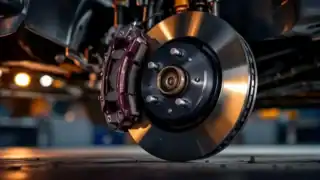
When your Mini’s brakes start to feel soft, grab less firmly, or make noise under braking, a proper inspection becomes urgent. Mini brake repair in Northmead requires precision because these vehicles have tighter tolerances and more integrated brake electronics than many other cars. Whether you’re dealing with worn pads, failing calipers, or issues with Mini’s brake pressure regulation system, getting the diagnosis right the first time saves money and keeps you safe on the road.
Warning Signs Your Mini Needs Brake Repair
Catching brake problems early makes the difference between a simple pad replacement and a much costlier repair. Here are the most common warning signs we see:
- Brake pedal feels soft, spongy, or travels too far before engaging
- Grinding or squealing noise when braking, especially first thing in the morning
- Vehicle pulls to one side under braking
- Brake warning light on your dashboard (either amber or red)
- Reduced stopping power or longer stopping distances
- Vibration or pulsing through the brake pedal at high speeds
- Visible brake fluid leaks under the vehicle
Mini brake systems are engineered for responsive, tight braking feel. If that feel changes, it’s a signal something needs attention. Soft pedal is particularly common in Minis, often pointing to air in the brake lines, a failing master cylinder, or a problem with the brake pressure regulation module that Minis rely on.
How Mini Brake Repair Works at Our Northmead Workshop
We start every brake repair with a full diagnostic inspection. This isn’t just squeezing the pedal and eyeballing the pads. With a Mini, we plug in specialist diagnostic equipment to read the brake system’s electronic sensors, check brake fluid condition and pressure, and test the proportioning and ABS systems that are integral to Mini’s braking architecture.
Here’s what a thorough brake inspection covers:
- Visual check of pad thickness on all wheels and rotor condition
- Measurement of rotor runout and thickness to OEM specifications
- Full system diagnostic scan for brake module faults or warning codes
- Brake fluid analysis to check for moisture and contamination
- Test drive to feel how the brakes respond under real conditions
- Inspection of brake hoses for cracks, splits, or age-related deterioration
- Check of caliper function, piston seals, and slide pin movement
Once we’ve identified the issue, we explain exactly what needs doing and why. If it’s just worn pads, we’ll fit quality replacements and bed them in correctly. If there’s deeper damage like scored rotors or sticky calipers, we discuss whether those parts need replacing or can be restored. We use OEM-spec or equivalent quality parts for Mini brake systems, which means the replacement components meet the same engineering standards your vehicle was built to.
For Mini brake repair, we always bench test calipers that show signs of wear, and we never just replace pads without inspecting rotors properly. Mini’s braking response depends on precise rotor thickness and evenness, so cutting corners here affects how your car feels and stops.
What Affects the Cost and Timeline of Your Repair
Several factors shape the scope and cost of Mini brake work. Pad wear varies depending on your driving style, road conditions, and how long it’s been since the last service. If pads are replaced every 40,000 to 60,000 kilometres as part of regular maintenance, you’ll usually catch rotors before they’re damaged. Skipping brake checks means rotors often need replacing too, which increases the bill significantly.
The age and condition of your brake fluid matters as well. Brake fluid absorbs moisture over time, especially in Australia’s humidity. If fluid hasn’t been changed in several years, we’ll recommend a full system flush as part of the repair, which protects your calipers and master cylinder from internal corrosion.
Turnaround time depends on parts availability and repair complexity. Brake pads and standard rotors are usually in stock, so a pad replacement can be done the same day. If a caliper needs replacement or if brake lines show corrosion, sourcing quality parts may take longer. We’ll give you a realistic estimate before starting work so you know exactly where things stand.
Mini brake boosters and proportioning modules are sometimes the culprit behind soft pedal symptoms, and these require specialist knowledge to diagnose and repair. This is one of the areas where owner-operated, experienced workshops make a real difference. Chain shops often recommend replacement where restoration or a targeted fix will do.
Why Star Mechanical Repairs Handles Mini Brake Work Properly
We specialise in European vehicles, including Minis, and we understand the particular demands of their brake systems. Owner Sarkis has over a decade of hands-on mechanical experience, and brake systems are one of our core strengths. This means we don’t just follow a checklist; we know what typically goes wrong with Minis and how to spot it early.
We explain every finding before you approve any work. No pressure, no upselling. If your Mini only needs pads, you’ll hear that. If we find something else, we’ll walk you through why it matters and what your options are. That transparency is the difference between feeling confident in your repair and feeling like you’ve been caught out by an unexpected bill.
All parts we install come with a manufacturer warranty, and we use OEM-spec brake components whenever possible. Your Mini’s braking performance is too important to compromise on quality, and neither do we.
Book Your Mini Brake Inspection in Northmead Today
If you’ve noticed any of the warning signs above, or if you’re simply due for a brake system check, contact us to book your free inspection. Call Us Now or Book Your Free Inspection online. We’ll diagnose the issue, explain what’s needed, and give you an honest assessment before any work starts. At Star Mechanical Repairs, your safety and confidence in your Mini’s braking are what matter most.