European Servicing Starts From $349 & Free Pink Slip W/ Any Service

Family-Owned & Operated
European Specialists
5★ Reviews
Repairs Explained Upfront

Verified 5★ Reviews

Certified Hyundai Brake Repair In Northmead

We inspect, diagnose, and repair Hyundai brakes in Northmead using factory-specification parts and methods. You'll know exactly what's needed before we start work.

Euro Specialists

Honest Advice

5★ Reviews

Hyundai Brake Experts

Book Your Free Inspection

Fill in the form and we'll be in touch to confirm your booking.

Booking Form
  • Vehicle Details
  • Confirm Vehicle
  • Services
  • Contact Details
No Pressure Advice
Work Explained First
Family-Run Workshop

Why Book With Us

Book Your Free Inspection
Drop Off Your Car
We Get to Work
Collect and Drive Away

Hyundai brake repair is one of the most important services you’ll have done on your vehicle. Your brakes are your first line of defence in an emergency, and when they’re not working properly, everything else on the road becomes secondary. Whether you’re driving around Northmead or further into the Parramatta corridor, worn or damaged brakes put you, your passengers, and other road users at risk. We inspect and repair Hyundai brakes regularly, and we’ve seen how quickly small warning signs can become serious safety issues.

Common Hyundai Brake Problems and Warning Signs

Hyundai vehicles, like most modern cars, rely on hydraulic brake systems that convert the pressure you apply to the pedal into stopping force at each wheel. When things start to wear, your Hyundai usually tells you before the problem becomes dangerous. Learning to recognise these signs means you can book a repair before you’re stuck with a long, expensive emergency fix.

  • A soft or spongy brake pedal that sinks lower than normal before the brakes engage
  • Grinding or squealing noises when you brake, especially in wet weather
  • Brake pedal pulsing or vibration felt through your foot when slowing down
  • A brake warning light on your dashboard that doesn’t clear after the engine starts
  • Your car pulling to one side when you apply the brakes
  • Longer stopping distances, even though the pedal feels normal
  • A burning smell after heavy braking or driving downhill

If you notice any of these symptoms, don’t assume they’ll go away on their own. A minor issue like worn brake pads might take weeks to become serious, but a fluid leak or a faulty brake booster can make your brakes unsafe within days.

How We Diagnose and Repair Hyundai Brakes

Hyundai brake repair starts with a thorough inspection, not a guess. We use Hyundai service schedules and OEM specifications to know exactly what your model requires. Every Hyundai has a logbook or service record that outlines brake service intervals, and we follow those guidelines to keep your vehicle running safely and to protect your warranty.

Here’s what happens when you bring your Hyundai in for brake work:

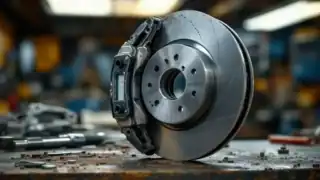
Visual inspection of all brake components. We check brake pads, rotors, brake lines, and hoses for wear, damage, or leaks. Hyundai models often use a combination of disc brakes on the front and disc or drum brakes on the rear, depending on the model year and trim. We assess all of them.

Brake fluid check. We test the condition and level of your brake fluid. Hyundai systems are sealed, but fluid can absorb moisture over time, which reduces stopping power and can corrode internal components. If fluid condition is poor, a flush may be necessary before other repairs.

Brake pedal and booster test. We press the pedal and feel for sponginess, hear for unusual noises, and test the brake booster’s ability to reduce pedal effort. A faulty Hyundai brake booster is common enough that we check it as part of every brake diagnosis.

Measurement of pad and rotor wear. We use gauges to measure exactly how much material remains on pads and rotors. This tells us whether a simple pad replacement will do or whether rotors need turning or replacement as well.

Road test. Before we sign off, we take your Hyundai out and test the brakes under real driving conditions. A dashboard warning light might clear temporarily; a real problem shows up when you’re actually slowing down from highway speed.

Once we’ve finished the inspection, we explain exactly what we’ve found and what needs to be done. We don’t pressure you into work you don’t need, and we don’t skip steps because the budget is tight. You’ll know the cost and the process before we touch anything.

Hyundai Brake Parts and Quality Standards

When it’s time to replace parts, we use quality components that meet Hyundai’s OEM specifications. This means brake pads, rotors, calipers, and hoses that are designed to perform the way your Hyundai was built to perform. We source genuine or manufacturer-equivalent parts with warranty backing, so you’re not guessing whether a cheap pad will last 20,000 kilometres or 50,000.

Different Hyundai models have different brake system requirements. A small hatchback like an i30 has a lighter duty requirement than a larger SUV like a Tucson. We tailor our parts selection to your vehicle, not a one-size-fits-all approach.

What Affects Hyundai Brake Repair Cost and Turnaround

Several factors influence how long a brake repair takes and what you’ll pay. Wear on pads alone is a straightforward job; damage to rotors, calipers, or brake lines takes longer and costs more. Whether your Hyundai needs a full hydraulic flush adds time. Parts availability can matter too. Genuine Hyundai components are usually in stock or arrive within a day, but special orders occasionally take longer.

We’re transparent about these variables from the start. During your inspection, we’ll walk you through the parts we recommend and why, and you’ll have a clear idea of cost before work begins. We don’t hide surprises until the job is halfway done.

Why Hyundai Owners in Northmead Trust Star Mechanical Repairs for Brake Repair

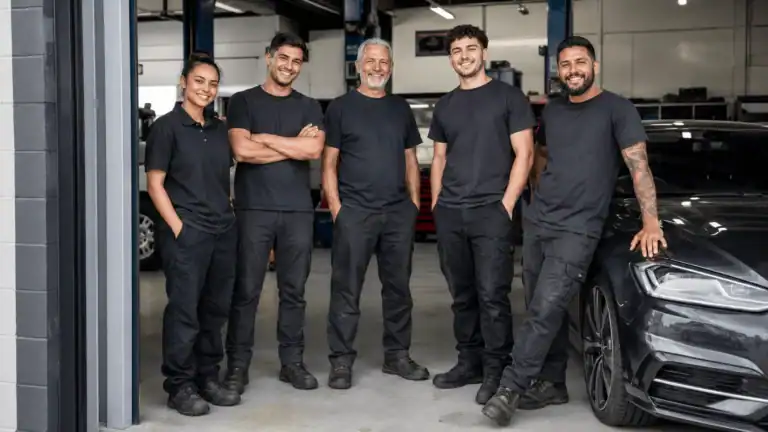
Star Mechanical Repairs is family-run and owner-operated. Sarkis has been a mechanic for over a decade and trained on European vehicles, but he’s expanded his expertise to include Hyundai and other Asian brands because the fundamentals of brake systems don’t change. Honest advice, fair pricing, and clear explanations matter to us because we’re not a franchise where every job is a metric. We succeed when you drive away confident in your brakes.

We specialise in brake systems alongside timing chains, transmissions, and logbook servicing. That focus means we’ve seen dozens of Hyundai models and know their common weaknesses and strengths. We have the tools and knowledge to diagnose problems that less experienced workshops might miss or misdiagnose.

Book Your Hyundai Brake Inspection Today

If you’ve noticed any brake warning signs, don’t wait until you’re nervous about stopping. Book Your Free Inspection online or Call Us Now to schedule your appointment. We’ll get you in, show you what’s happening with your brakes, and explain your options without pressure. Serving Northmead and the wider Parramatta area, Star Mechanical Repairs is ready to help keep your Hyundai safe.

Other Services

Whatever your needs we have you covered, see some similar services below or click "See All Services" to explore our full service offering.

Honest Mechanics Who Know European Cars

Star Mechanical Repairs is a family-run workshop in Northmead specialising in European vehicles. Owner Sarkis brings over a decade of hands-on experience and a simple promise: quality work, honest advice, at a fair price.

European Vehicle Specialists

Deep experience with BMW, Mercedes, Audi and VW means your car is in the right hands.

No Surprises, No Pressure

Bring your vehicle in and we’ll carry out a thorough inspection before any work begins.

Hyundai Brake System Expertise

We service Hyundai brakes with make-specific knowledge and proper diagnostic tools.

Brands We Service

Whatever your needs chances are we have you covered, see other brands we service below or click "See All Brands" to see the full list of brands we service.

How Hyundai Brake Repair Works

From booking your free inspection through safe, confident brakes, here's what to expect.

Step 1

Book Your Free Inspection

Book your free inspection to diagnose brake issues and get honest advice on what your Hyundai needs.

Step 2

Hyundai Brake System Inspection

We measure pad thickness, inspect rotors for damage, test fluid condition, and check Hyundai hydraulic components.

Step 3

Precision Brake Repair

We fit quality pads and rotors, service hydraulics to manufacturer spec, and verify all safety systems work.

Step 4

Test Drive & Handover

We test your brakes on the road, walk you through completed work, and send you home safe and confident.

Rated 4.8 Stars by Our Customers

Verified 5★ Reviews

Quality Parts From Trusted Suppliers

We source quality genuine and reputable aftermarket parts from trusted suppliers, so every repair is backed by manufacturer warranty and built to last.

Book Your Free Inspection

Fill in the form and we'll be in touch to confirm your booking.

Booking Form
  • Vehicle Details
  • Confirm Vehicle
  • Services
  • Contact Details
No Pressure Advice
Work Explained First
Family-Run Workshop

Why Book With Us

Book Your Free Inspection
Drop Off Your Car
We Get to Work
Collect and Drive Away

Common Questions, Honest Answers

Browse the questions below for straightforward answers about our services. If you can't find what you're looking for, give us a call and we'll help.

Hyundai brake repair typically includes inspection of your brake pads, rotors, calipers, and brake fluid condition. We diagnose what’s worn or damaged, then replace worn components and test the system to confirm everything stops smoothly and safely. The exact work depends on what our inspection finds — sometimes it’s just pads, other times rotors need attention too.

Warning signs include a squealing or grinding noise when you brake, a soft or spongy brake pedal, longer stopping distances, or a brake warning light on your dashboard. You might also feel the car pulling to one side when braking. If you notice any of these, book a brake inspection soon – these issues only get worse and become unsafe if left.

Most brake pad and rotor replacements take between one and three hours, depending on which wheels need work and how accessible your components are. Some Hyundai models are more straightforward than others. We’ll give you a time estimate after we inspect your car, so you know whether you can wait or arrange a courtesy car.

Under Australian consumer law and ACCC guidance, having your brakes serviced at a qualified independent workshop does not automatically void your manufacturer warranty. However, your specific circumstances may vary – we’d recommend checking your warranty paperwork or contacting Hyundai directly if you’re unsure. We use quality parts with manufacturer warranty, and we’ll explain exactly what we’ve done and what parts we’ve fitted.

Several factors speed up pad wear: aggressive braking habits, towing, driving in heavy traffic, or worn rotors that create extra friction. Faulty calipers that don’t release properly also accelerate wear. During your brake inspection, we’ll check for these issues – if something’s causing premature wear, fixing it now saves you money on repeated pad replacements.

Not always. If your rotors are still within safe thickness and aren’t scored or warped, we’ll replace just the pads. However, if rotors are damaged or worn thin, replacing them alongside pads is the right call – using new pads on worn rotors creates uneven braking and poor performance. We’ll show you what we find and explain what’s needed before we start any work.

Hyundai brakes are generally reliable, but some models experience premature rotor wear or occasional caliper sticking, particularly in older vehicles or those with higher mileage. We see this regularly in Northmead and the wider area. The key is regular inspection – catching wear early prevents more expensive damage. If your Hyundai has covered significant kilometres, a brake check is a sensible precaution.

We recommend a visual brake inspection every 12 months or 15,000 kilometres, whichever comes first. If you do heavy city driving or towing, more frequent checks help catch wear early. Your Hyundai’s logbook service schedule will also list brake inspection intervals. Even if nothing feels wrong, regular checks mean you’ll catch problems before they become unsafe or expensive.

Organic pads are quieter, gentler on rotors, and perform well in normal driving – they’re a popular choice for everyday vehicles. Metallic pads last longer and handle heat better, making them suited to towing or heavy driving, but they’re noisier and can be harder on rotors. We’ll recommend what suits your Hyundai and driving style, and you’ll have the final say on which to fit.

No – a brake warning light means something’s wrong with your braking system, and driving further risks brake failure. Stop as soon as it’s safe and book a brake inspection immediately. Common causes include low brake fluid, worn pads, or a faulty sensor. Don’t ignore this light hoping it’ll go away. Get it checked professionally before your next drive.

Continue to site