European vehicles brake replacement is one of the most important safety services your car will ever need. Whether you drive a BMW, Mercedes, Audi, or Volkswagen, your brakes are what stop your vehicle safely every single day. When brake pads wear down, rotors become damaged, or hydraulic components fail, a proper inspection and replacement isn’t just maintenance—it’s essential. We see European brake systems regularly here in Northmead, and we understand the specific engineering behind each manufacturer’s design, from Mercedes’ advanced pad compound specifications to BMW’s performance rotor tolerances.
Warning Signs Your European Vehicle Needs Brake Work
Brakes don’t always fail suddenly. Most of the time, you’ll notice warning signs that tell you it’s time for a professional inspection. The sooner you catch these, the less expensive the repair and the safer your car.
- Squealing or squeaking sounds when braking, especially in the morning or after rain
- A soft or spongy brake pedal that requires more pressure than usual to stop
- Grinding noise when applying the brakes, indicating pad wear through to the rotor
- Brake warning light appearing on your dashboard
- Vibration or pulsing through the pedal when braking at highway speeds
- Visible brake fluid leaks under your vehicle or on the wheel rim
- Pulling to one side when you brake
- Brake pedal sinking slowly to the floor after pressing it
If you notice any of these, don’t delay. Worn brakes affect your stopping distance and increase the risk of brake failure. We recommend a full brake inspection as soon as you notice changes.
How We Inspect and Replace Your Brakes in Northmead
Every European vehicles brake replacement starts with a thorough diagnostic inspection. We don’t guess at what needs replacing—we measure, inspect, and explain what we find before any work begins.
When your car comes in, our process includes measuring brake pad thickness against manufacturer specifications, checking rotor runout and surface condition using precision tools, inspecting brake fluid condition and colour, and examining the entire hydraulic system for leaks or corrosion. For European vehicles, we follow OEM service schedules closely. Many BMW owners follow condition-based servicing rather than fixed intervals, for example, and we’re familiar with how each brand communicates brake wear through onboard diagnostics.
If replacement is needed, we’ll explain exactly which components require work. A full European vehicles brake pad replacement typically includes new brake pads, resurfaced or replaced rotors (depending on runout and thickness), brake fluid renewal, and inspection of calipers, hoses, and brake lines. We use quality parts with manufacturer warranty backing, not budget parts that will wear again in six months. For European vehicles, parts specification matters enormously—a Mercedes brake pad is engineered differently from an Audi pad, and we source accordingly.
Throughout the job, we keep you informed. You’ll know why each part is being replaced and what the outcome will be. There’s no pressure to upgrade or replace components that don’t actually need it.
What Affects Brake Replacement Cost and Time
Several variables influence both the cost and how long your European vehicles brake replacement will take. Understanding these helps you make an informed decision about your car’s repair.
Vehicle model and brake system type matter. Some European cars have larger, more complex brake assemblies with electronic parking brakes or integrated stability control systems. A Mercedes or BMW with adaptive brake systems requires different diagnostic steps and more careful handling than a simpler design. Parts availability affects timing—genuine or equivalent parts for common models like the VW Golf or Audi A4 are usually in stock, but less common vehicles might need a day or two to source the right specification.
The extent of wear determines what needs replacing. If only pads are worn and rotors are within specifications, the job is faster and less costly. If rotors are warped, scored, or below minimum thickness, European vehicles brake rotor replacement is necessary. Brake fluid contamination sometimes requires system flushing, which adds time. Caliper issues—sticking pistons or seals—can require overhaul or replacement, which increases cost and time significantly.
We’re transparent about these factors upfront. Once we’ve inspected your brakes, you’ll know exactly what’s needed and why, with no surprises at the finish.
Why Star Mechanical Repairs Is the Right Choice for European Brake Work
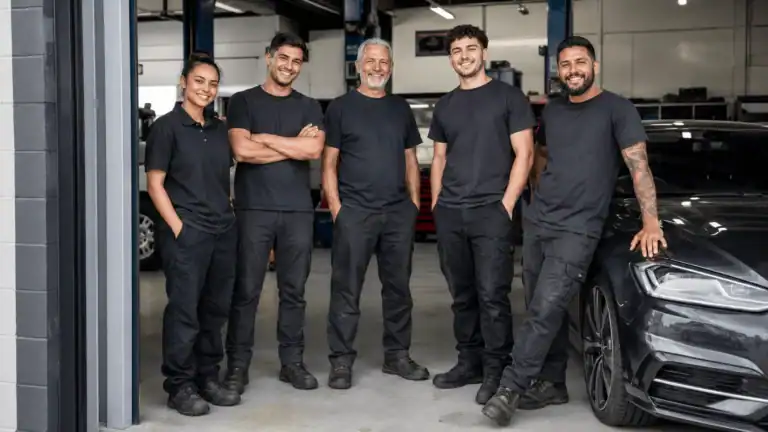
Our workshop specialises in European vehicles. That’s not a side service—it’s core to what we do. With over a decade of hands-on mechanical experience, we understand the nuances of European engineering, from brake pad material science to the specific diagnostic routines each brand uses across BMW, Mercedes, Audi, and Volkswagen platforms.
We’re family-run and owner-operated, which means quality is never compromised to hit targets. We don’t upsell unnecessary work or pressure you into upgrades you don’t need. Every European vehicles brake replacement is explained clearly before we begin, and you’re never left wondering what you’re paying for.
We use quality parts backed by manufacturer warranty, so your new brakes will perform as designed. And because we specialise in European brakes—alongside our expertise in timing chains and transmissions—we get the details right the first time. No comebacks, no half-finished work, just safe, reliable brakes. Our 4.8-star rating from over 115 five-star reviews reflects our commitment to honest, transparent advice and quality workmanship.
Book Your European Brake Inspection Today
If you’re hearing noises, feeling a soft pedal, or seeing brake warning lights, don’t wait. Worn brakes affect your safety and your family’s safety. Book Your Free Inspection online or Call Us Now, and we’ll inspect your European vehicle’s brakes thoroughly right here in Northmead. We’ll explain what we find, and let you decide what comes next. We’re here to help you stay safe on the road.