When your LDV needs brake work, you want someone who understands the vehicle and explains exactly what’s happening. Brake replacement isn’t a one-size-fits-all job. LDV vehicles have their own brake architecture, fluid requirements, and wear patterns, and we inspect every component to understand what’s actually needed before any work begins. Whether it’s worn pads, damaged rotors, or brake shoes that have reached the end of their life, we handle LDV brake replacement with the same transparency and care we bring to every job at our Northmead workshop.
Common Signs Your LDV Needs Brake Work
Your brakes tell you when they’re struggling. The most obvious sign is the sound: squealing, grinding, or a high-pitched noise when you apply the pedal usually means the brake pad wear indicators are doing their job and alerting you that pads are thinning. If you hear grinding, the pads have likely worn through completely and metal is now rubbing on the rotor, which means the braking surface has already been damaged.
Beyond noise, feel matters too. A soft or spongy brake pedal that requires more pressure than usual suggests air in the brake lines or fluid issues. A pedal that feels harder to push or requires unusual force can point to a caliper problem or brake booster failure. Some drivers notice their vehicle pulling to one side under braking, which often indicates uneven pad wear or a seized caliper on one wheel. Vibration through the pedal or steering wheel when braking is typically a sign that rotors have warped or worn unevenly.
Visible signs matter too: look at your wheels and you might spot brake fluid leaks, dust buildup that’s darker or thicker than usual, or visible damage to the brake components themselves. Some LDV models show wear faster on rear brakes depending on load and driving style, so don’t assume front brakes are the only concern.
How LDV Brake Replacement Works
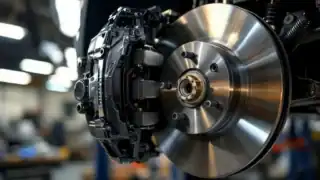
We start with a proper inspection. We lift the vehicle safely, remove the wheels, and examine both front and rear brake systems. For your LDV specifically, we check pad thickness against the manufacturer’s specifications, measure rotor thickness and runout (how much they wobble), inspect caliper operation, and test the brake fluid condition. This tells us exactly what needs replacing and what might be contributing to the symptoms you’ve described.
Once we’ve diagnosed the issue, we explain what we’ve found. If brake pads are worn, we’ll show you how thin they are. If rotors need replacement, we’ll explain why pads alone won’t restore safe braking. If it’s a brake shoe replacement on the rear drums, we’ll walk you through how that system works differently from disc brakes and why the symptoms you’re experiencing make sense given what we’ve found.
The replacement process itself depends on what’s damaged. Brake pad replacement involves removing the wheel, unbolting the caliper, sliding out the worn pads, and fitting quality replacement pads with anti-rattle shims and lubricant. If rotors need replacing, we’ll measure and fit rotors that match LDV specifications, ensuring proper thickness and hub fit. For rear brake shoes, we remove the drum, disconnect the brake components, fit new shoes, adjust them, and test the whole system before we finish.
Throughout the job, we use quality parts with manufacturer warranty coverage. Your brake system is safety-critical, and we don’t compromise on that. Once work is complete, we’ll test the brakes, check pedal feel, and confirm the warning lights have cleared.
What Affects Cost and Timeframe for LDV Brake Replacement
Several factors influence both cost and how long the job takes. The number of wheels needing attention matters: sometimes just front pads are worn, sometimes fronts and rears need work. The condition of the rotors or drums plays a role too. If they’re within acceptable thickness and runout, resurfacing might be an option; if they’re damaged or too thin, replacement is necessary. Parts availability can affect timing on older LDV models, though most parts we stock or source quickly for common LDV brakes.
Whether you choose OEM-specification parts or quality aftermarket alternatives influences cost as well. Both carry warranty coverage, but the price point differs. We’ll discuss options with you before we start so you know exactly what you’re getting and what it costs.
A straightforward brake pad replacement typically takes a couple of hours. If rotors or other components need replacement, add time for that work. Brake fluid bleeding or system repairs take longer. We’ll give you a clear estimate before work begins so there are no surprises when you collect your vehicle from our Northmead workshop.
Why Star Mechanical Repairs for Your LDV Brakes
We’re a family-run workshop, owner-operated, and Sarkis has been a mechanic for over a decade. That experience means we’ve worked on hundreds of LDV brake systems and understand how they age, what fails first, and how to fix them properly. We don’t upsell or pressure customers into unnecessary work. If your brakes need replacing, we’ll tell you clearly. If they can wait another few months safely, we’ll say that too.
Every repair is explained before we start. You’ll know what we found, why we recommend the work, what parts we’re using, and what to expect after we finish. We use quality parts with manufacturer warranty backing, not the cheapest option available. That’s our approach to fair value: honest advice, quality work, transparent pricing, and no pressure.
Brakes are safety-critical, and we treat them that way. We inspect properly, we explain thoroughly, and we don’t cut corners on parts or process. Your LDV’s ability to stop safely is worth that commitment.
Ready to Get Your LDV Brakes Inspected?
If you’ve noticed brake symptoms or your LDV is overdue for maintenance, we’d like to assess what’s needed. Book Your Free Inspection at Star Mechanical Repairs in Northmead, or Call Us Now to discuss your brake concerns. We’ll get your brakes sorted properly.