When your LDV pulls up at a set of lights or begins to slow down, your brakes are doing one of the most critical jobs on the vehicle. An LDV brake specialist needs to understand not just brake components in isolation, but how LDV’s engineering and weight distribution affect brake performance and wear. Whether you drive an LDV van for work or rely on an LDV passenger vehicle for family trips, brake safety is non-negotiable. We inspect and repair LDV brake systems in Northmead with the same precision we apply to European vehicles, treating every brake assessment as the safety-critical service it truly is.
Common LDV Brake Warning Signs and When to Act
LDV vehicles often show brake wear symptoms in a predictable sequence, but catching them early makes a real difference to your safety and your wallet. Listen for a high-pitched squealing sound when you brake, especially in the first few seconds of a stop. This is often the brake pad wear indicator doing its job, telling you pads are approaching the end of their life. Don’t ignore it; worn pads can damage rotors, turning a simple pad replacement into a more expensive repair.
Another sign is a soft or spongy brake pedal that requires more pressure than usual to achieve normal stopping power. This can indicate air in the brake lines, a failing master cylinder, or degraded brake fluid that’s absorbed moisture over time. LDV models are prone to fluid contamination in humid Australian climates, so regular fluid inspection is worth the investment.
Vibration or pulsing through the brake pedal under braking suggests warped rotors or uneven pad wear. A grinding sound means pads have worn through their friction material and metal is now contacting metal. At this point, you’re at risk of brake failure and you’re also damaging the rotor surface, which will need machining or replacement.
Pulling to one side under braking can point to uneven pad wear, a stuck caliper, or hydraulic issues on one circuit. Don’t assume it’s normal. Brakes should feel consistent and predictable.
What We Check During an LDV Brake Inspection
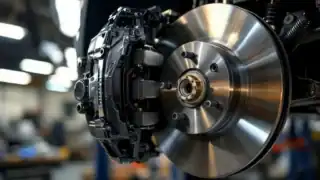
Our approach to an LDV brake specialist inspection starts with a full visual assessment of all four wheels. We remove the wheels to inspect pad thickness, rotor condition, and caliper function. We measure rotor thickness and runout to determine whether rotors can be reused or need replacement. LDV brake components are engineered to specific tolerances, and we work to manufacturer specifications rather than guessing.
We test brake fluid condition using moisture and boiling point testing. Contaminated fluid compromises braking performance and can cause component failure. If your fluid is degraded, we’ll recommend a full brake fluid flush and refill with LDV-specification fluid.
We also inspect hoses for cracks or perishing, check brake line connections for corrosion, and test the handbrake mechanism. For LDV vans especially, we assess whether your braking system is adequate for the loads you’re carrying. A work vehicle running heavy payload demands robust brake maintenance, and we make sure your rig is safe for the job.
Once we’ve completed our inspection, we’ll show you photos or physical evidence of what we’ve found. No surprises, no pressure. If your brakes are safe and your pads have life left, we’ll tell you that. If replacement is needed, we’ll explain why, what parts we’ll use, and what you can expect to pay.
Understanding LDV Brake Repair Costs and Timeframes
The cost of brake work depends on which components need attention. Pad replacement alone is straightforward and quick. Rotor resurfacing or replacement adds to the bill, but it’s necessary if rotors are warped or scored. If your calipers are sticking or leaking, they may need rebuilding or replacement, which is a larger job.
Parts availability matters with LDV vehicles. Genuine LDV parts are usually in stock or sourced quickly, but if your specific model requires special-order components, the repair timeline extends. We’ll let you know upfront if we need to order parts and when you can expect your vehicle back.
The condition of your brake lines and hydraulic system also influences the scope of work. Corrosion or fluid contamination discovered during inspection may require hose replacement, line flushing, or full fluid system service. These add time but protect your brakes from future failure.
We use quality parts with manufacturer warranty backing. We don’t cut corners on brakes because brakes don’t cut corners for you.
Why Choose Star Mechanical Repairs for LDV Brake Work
Brake work demands precision, honesty, and a genuine commitment to your safety. We’re owner-operated, which means the person making decisions about your vehicle is the same person answering the phone and standing behind the work. Owner Sarkis has more than a decade of hands-on mechanical experience and understands how different vehicle types handle and brake.
We specialise in European vehicles, which has taught us to be meticulous about diagnostic accuracy and parts specification. That same discipline applies to every LDV brake inspection we undertake. We don’t recommend work you don’t need, and we explain every finding clearly before we pick up a spanner.
Our customers tell us they choose us because we don’t pressure them and we don’t upsell. If your brakes are safe, we say so. If they need work, we walk you through why, show you evidence, and discuss options. That transparency is deliberate. We’d want the same if we were in your shoes. With over 115 five-star reviews from Northmead and surrounding areas, our reputation is built on honest advice and quality brake repairs.
Book Your Free LDV Brake Inspection in Northmead
If you’ve noticed any of these warning signs, or if it’s been a while since your brakes were checked, book your free inspection today. Call Us Now or Book Your Free Inspection online. We’re in Northmead and ready to look at your LDV brakes with the care they deserve.