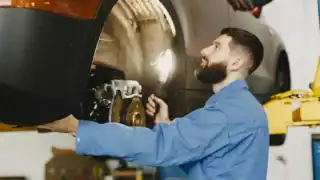
Brake problems in a Mitsubishi demand immediate attention. Unlike wear on other components, compromised brakes affect your ability to stop safely and put everyone on the road at risk. A Mitsubishi brake specialist in Northmead who understands your vehicle’s specific brake architecture, fluid requirements, and diagnostic procedures is essential. Whether you’re driving a Lancer, Outlander, Triton, or another Mitsubishi model, brake issues need expert diagnosis and repair from someone who knows how your car stops.
How to Tell Your Mitsubishi Needs Brake Service
Brake warning signs rarely announce themselves gently. Most Mitsubishi owners notice one or more of these symptoms before visiting a mechanic:
- A soft or spongy brake pedal that feels like it travels further than normal before resistance builds
- A brake pedal that goes to the floor under pressure, or won’t come back up fully
- Screeching or high-pitched squealing when braking, especially in wet conditions
- A grinding sound during braking, which usually signals pad wear through to the rotor
- Visible brake fluid leaks under the vehicle, either red or dark brown fluid
- A pulsing sensation in the pedal when you brake, often caused by uneven rotor wear
- The brake warning light appearing on your dashboard
- Pulling to one side when braking, indicating uneven pad wear or caliper problems
Some Mitsubishi models, particularly Outlanders and Lancers in urban areas like the Parramatta corridor and surrounding suburbs including Northmead, experience brake fade earlier due to frequent stop-start driving. If you notice any of these symptoms, don’t delay. Brake safety isn’t something to put off until it becomes critical.
What a Mitsubishi Brake Specialist Inspection Covers
Our diagnostic process for Mitsubishi vehicles goes beyond a quick visual check. We follow Mitsubishi’s service specifications and use procedures tailored to your model’s brake system architecture.
Initial inspection: We examine brake pads for thickness and wear patterns. Uneven wear tells us whether your calipers are operating correctly or sticking. We measure rotor thickness and check for scoring or warping, which affects braking performance and safety. We visually inspect brake lines and hoses for leaks, cracks, or corrosion.
Fluid assessment: Mitsubishi vehicles use DOT 3 or DOT 4 brake fluid depending on model year and specification. Old or contaminated brake fluid absorbs moisture from the air, lowering its boiling point and reducing braking effectiveness. We test fluid condition and check the master cylinder for leaks or internal wear.
System testing: We pressure-test the hydraulic system to identify slow leaks that might not be immediately visible. We inspect wheel cylinders or caliper pistons for signs of sticking, corrosion, or seal failure. We check parking brake function and adjustment.
Component-specific checks: For Mitsubishi models equipped with ABS (anti-lock braking system), we scan for fault codes and test sensor function. We evaluate brake pad wear sensors if your vehicle has them. We ensure all OEM brake specifications are maintained throughout the repair.
Only after this thorough assessment will we explain exactly what your Mitsubishi needs and why. No guessing, no unnecessary parts replacement.
Parts, Time, and Cost Factors for Mitsubishi Brake Work
The scope of brake repair varies widely between vehicles and damage severity. A simple brake pad replacement takes a few hours and involves replacing worn pads on one or both axles, resurfacing or replacing rotors if they’re worn, and replacing brake fluid if needed. Rotor replacement adds time if the discs have warped or scored beyond safe tolerance. Brake fluid flushes and refills take longer if the system has been sitting or contains heavily contaminated fluid.
More involved repairs, such as caliper replacement due to internal seal failure or sticking, or master cylinder replacement due to internal leakage, require additional diagnostic time and may involve waiting for parts. We source Mitsubishi-spec or OEM-equivalent brake components with manufacturer warranties. Genuine parts ensure your Mitsubishi meets factory safety standards; aftermarket alternatives vary in quality, and we’ll discuss options transparently.
Older Mitsubishi Lancers and some Triton models may require longer lead times for parts if they’re discontinued or scarce locally. We’ll tell you upfront if delays are likely rather than leaving you guessing. Some brake jobs require your vehicle to stay with us for a full day; others may be completed in a few hours. We always confirm the timeline before work begins.
Why Star Mechanical Repairs for Your Mitsubishi Brakes
Brake work is safety-critical. You need a mechanic who understands Mitsubishi brake architecture, won’t upsell unnecessary parts, and explains every step before picking up a spanner. That’s our approach. Our owner has been a qualified mechanic for over a decade, with hands-on experience diagnosing and repairing Mitsubishi brake systems alongside European vehicles like BMW, Mercedes, Audi, and Volkswagen. As a family-run workshop in Northmead, we don’t chase quick turnover or pressure customers into expensive repairs they don’t need. We diagnose honestly, recommend what’s necessary, and let you decide.
We use quality brake components backed by manufacturer warranties. We explain your Mitsubishi’s brake condition in plain language, walk you through options, and make sure you understand the repair before we start. Our 4.8-star rating from over 115 five-star reviews reflects our commitment to transparent advice at fair prices, not upsells wrapped in technical jargon.
Your Mitsubishi’s brakes keep your family safe every time you drive. That responsibility matters to us as much as it does to you.
Book Your Mitsubishi Brake Inspection in Northmead Today
If you’ve noticed any brake symptoms or it’s been a while since your last brake service, it’s time to act. Call Us Now or Book Your Free Inspection online, and we’ll give your Mitsubishi’s brakes the expert attention they deserve.