Holden brake specialist work at Star Mechanical Repairs in Northmead focuses on one thing: keeping your vehicle safe and predictable on the road. Whether you drive a Commodore, Cruze, Captiva, or another Holden model, your braking system is the single most critical safety component in the car. When brakes need attention, there’s no room for guesswork or generic advice. Holden vehicles have specific brake layouts, pad wear patterns, and fluid specifications that require genuine expertise to service properly.
Warning Signs Your Holden Needs Brake Attention
Most drivers don’t take their brakes to a mechanic until something feels wrong. The problem is that brake failure happens gradually, and the warning signs are easy to miss if you don’t know what to listen for. Paying attention to how your Holden brakes feel and sound lets you catch issues before they become dangerous or expensive.
- Soft or spongy brake pedal that goes down too far before the car slows down
- Brake pedal feels harder to press than usual, or requires more pressure to stop
- Squealing or squeaking noise when braking, especially in wet weather or first thing in the morning
- Grinding sound when you apply the brakes, which usually means pads have worn through to metal
- Brake fluid appears dark or dirty when you check it under the bonnet
- Vibration or pulsing in the pedal or steering wheel when braking
- Car pulls to one side when you brake, suggesting uneven pad wear or fluid issues
- Warning light on the dashboard related to the brake system
Any of these signs means your Holden needs a proper brake inspection. Ignoring them risks losing braking power when you need it most, which can turn a routine stop into an accident.
What a Holden Brake Specialist Actually Does
A brake service on a Holden isn’t just replacing pads and hoping for the best. It’s a systematic inspection and service process that checks every part of the system, from the master cylinder to the wheels.
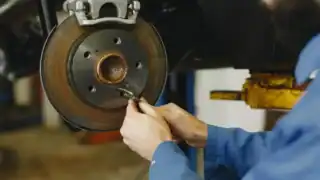
We start by putting your Holden on a hoist and removing all four wheels to inspect the brake components. Each brake pad gets measured for thickness to see how much life is left. We examine the rotors (the discs your pads grip onto) for scoring, rust, or warping. Warped or heavily scored rotors need to be machined flat or replaced depending on their condition and how much material is left.
The brake lines and hoses are checked for leaks, cracks, or corrosion. Even a small leak in the wrong place can reduce braking power or cause one wheel to lock up under hard braking. We also inspect the brake calipers, which are the devices that push the pads onto the rotors. If a caliper is sticking or not releasing fully, it causes uneven pad wear and reduced braking performance.
Holden vehicles also need regular brake fluid checks and top-ups. Brake fluid absorbs moisture from the air over time, which lowers its boiling point and can lead to brake fade under heavy use. If the fluid looks dark or has been in the system for several years, it should be flushed and replaced with fresh fluid that meets Holden’s specifications. We use OEM-equivalent fluid with the correct rating for your model to ensure safety and performance.
Once we’ve inspected everything, we explain what we’ve found and what needs to be done. No guesswork, no upselling. Just honest advice about whether you need new pads, new rotors, fluid work, or simply a top-up and pad adjustment.
Factors That Affect Brake Service Cost and Turnaround Time
Brake work on a Holden varies in scope and price depending on a few key factors.
The condition of your rotors makes a big difference. If pads can be replaced and rotors are still flat and within thickness limits, the job is straightforward. If rotors are warped or heavily scored, they need machining or replacement, which adds time and cost. The age of your vehicle also matters: older Holdens may have corrosion in the brake lines or calipers, which requires more involved work than a newer model.
We always use quality brake pads and parts that come with a manufacturer warranty. Whether we fit OEM Holden parts or quality aftermarket equivalents, you’ll know exactly what’s going into your car and why. Brake fluid top-ups take less than an hour. Full pad and rotor jobs typically take a few hours. If brake lines need replacing or calipers need rebuilding, turnaround is longer, but we’ll always tell you upfront what to expect.
Why Holden Owners in Northmead Trust Star Mechanical Repairs
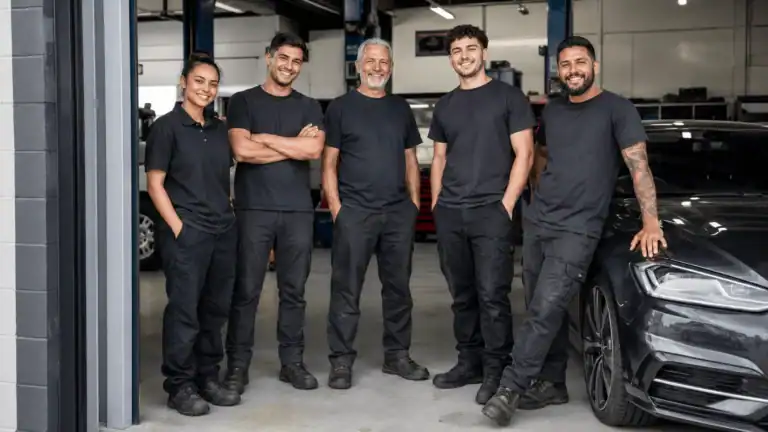
Owner Sarkis has spent over a decade working on vehicles, and brake systems are one of the core areas of expertise. We work on European specialists like BMW, Mercedes, Audi and Volkswagen, but we know Holden vehicles inside out, including their brake layouts, common wear patterns, and service schedules. This experience matters when you’re trying to figure out if your brakes are genuinely failing or just need a simple adjustment.
We don’t pressure customers into unnecessary work. We explain what we find, show you the worn parts if needed, and let you decide what to do. Many people come to us after feeling upsold at bigger chains, and we earn their trust by being transparent about what’s really needed versus what’s optional.
Every repair comes with a clear explanation of what we did, why we did it, and what to watch for going forward. We use quality parts backed by warranty, so you’re not gambling on cheap components failing again in a few months. Our workshop in Northmead is family-run and owner-operated, which means you’re always talking to someone with genuine hands-on experience, not a call centre or back-office staff.
Book Your Holden Brake Inspection Today
If your Holden’s brakes feel different, sound different, or you’re overdue for a check, book your free inspection with Star Mechanical Repairs. Call Us Now or Book Your Free Inspection to get your vehicle in front of someone who actually knows what they’re doing. We service the Northmead area and surrounding suburbs, and we’re ready to help you stay safe on the road.