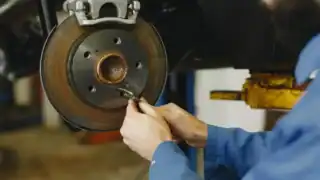
Brake failure is not a gradual inconvenience—it’s a safety emergency. When your Holden’s brakes feel soft, noisy, or unresponsive, Holden brake replacement is often the next step. Your brakes are one of the few systems where delayed maintenance directly threatens your safety and the safety of everyone on the road. At Star Mechanical Repairs in Northmead, we inspect and replace Holden brake systems with the care and precision they demand. Whether you’re noticing warning signs now or your brakes are failing, a professional inspection tells you exactly what needs to be done—and what doesn’t.
Warning Signs Your Holden Needs Brake Work
Holden vehicles across the range—Commodores, Cruzes, Captivas, and others—show similar brake warning patterns. Catching them early keeps repair costs down and keeps you safe. Pay attention to these signs:
- Brake pedal feels soft or spongy, sinking toward the floor
- Longer stopping distances than usual, even with firm pedal pressure
- Squealing or high-pitched noise when braking, especially in wet weather
- Grinding, metallic sound indicating brake pads are worn to the backing plate
- Brake warning light on the dashboard, steady or flashing
- Vibration or pulsing through the pedal when slowing down
- Vehicle pulls to one side during braking
- Brake fluid leaks visible under the car or on the wheel
Some of these symptoms appear gradually; others happen suddenly. Squealing pads might annoy you for weeks before they need replacement. A soft pedal or warning light, by contrast, often signals an urgent issue. Either way, a proper brake inspection removes the guesswork and tells you the real story of what’s worn and what’s safe.
What Holden Brake Replacement Involves
Brake replacement is not one-size-fits-all. Holden models use different brake configurations—some have disc brakes front and rear, others combine discs upfront with drum brakes at the back. Our inspection starts by identifying which type of brake system your Holden runs and what condition each component is in.
Brake Pad and Rotor Replacement
For disc brakes (the most common setup on modern Holdens), we remove the wheels, inspect the brake pads for remaining thickness, and measure rotor wear and surface condition. If pads are worn below safe thickness—usually 3mm or less—they’re replaced with quality parts matched to Holden’s OEM specifications. Rotors are checked for scoring, cracks, and runout (lateral movement). Badly worn or damaged rotors are resurfaced or replaced. We use the opportunity to inspect callipers, brake hoses, and the brake fluid itself, flushing and replacing fluid if it’s contaminated or old.
Brake Shoe Replacement
If your Holden has drum brakes at the rear, the process differs. We remove the drums, inspect the brake shoes for wear, and replace them if necessary. Drum brakes require careful attention to spring adjustment and proper reassembly—rushing this job is how poor braking performance happens. We measure drum diameter to ensure it’s still within safe limits and replace drums if they’re worn excessively.
Callipers and Hardware
During any brake replacement, we inspect the brake calliper pistons for corrosion or sticking. A sticking calliper causes uneven pad wear and brake pull. If a calliper is seized or damaged beyond safe service, it’s replaced. Brake hoses are checked for splits, cracks, or leaks. Brake line fittings are cleaned and inspected. Everything is reassembled to Holden’s torque specifications and tested thoroughly before you drive away.
What Affects Brake Replacement Cost and Time in Northmead
Several factors determine what your Holden brake replacement will involve and how long it takes. Being upfront about these helps you understand the actual work rather than just seeing a price tag.
Brake system type: Disc-only brakes (front and rear) are straightforward. Disc-and-drum combinations add complexity because rear work takes longer. Parts availability: We stock quality Holden-spec brake pads, rotors, and shoes. If your Holden model is less common or needs special-order components, time extends slightly. Rotor condition: If rotors are salvageable through resurfacing, cost stays lower. If they’re cracked or worn beyond spec, replacement is necessary. Calliper condition: A seized calliper means not just pad replacement but calliper service or replacement, which extends the job. Fluid contamination: Old, dark, or contaminated brake fluid requires a full flush and bleed—a crucial step we never skip but one that adds labour time.
We discuss each of these factors with you before work starts. You’ll know exactly what we’re replacing, why, and what the outcome will be. No surprises, no pressure to replace parts you don’t need.
Why Holden Owners in Northmead Choose Star Mechanical Repairs for Brake Work
Brakes are not the place to cut corners or gamble on a rushed job. Sarkis and the team have spent over a decade working on brake systems—timing chain expertise sits alongside genuine brake knowledge, and both demand precision. We’re owner-operated and family-run, which means every Holden that comes in gets the same attention Sarkis would give his own car.
We use quality parts with manufacturer warranty, not budget alternates that compromise safety. We explain every step before we start—what’s worn, what’s at risk, what we recommend and why. You’ll never feel upsold or pressured into work you don’t need. We inspect honestly, advise fairly, and charge reasonable rates for skilled labour. Holden drivers across the Parramatta corridor know the difference between a generalist workshop that changes pads by checklist and a mechanic who understands brake behaviour and does the job right.
Book Your Holden Brake Inspection in Northmead
If your Holden’s brakes are showing any of the warning signs above, or if it’s been a while since they were inspected, Call Us Now to discuss what you’re experiencing. We’ll Book Your Free Inspection and walk you through exactly what we find. Star Mechanical Repairs is your Northmead brake specialist.