European Servicing Starts From $349 & Free Pink Slip W/ Any Service

Family-Owned & Operated
European Specialists
5★ Reviews
Repairs Explained Upfront

Verified 5★ Reviews

Reliable European Vehicles Brake Fluid Change In Northmead

Brake fluid absorbs moisture over time, reducing braking performance and safety. We'll replace yours with the correct specification for your European vehicle and inspect your braking system.

Euro Specialists

Honest Advice

5★ Reviews

European Brake Expertise

Book Your Free Inspection

Fill in the form and we'll be in touch to confirm your booking.

Booking Form
  • Vehicle Details
  • Confirm Vehicle
  • Services
  • Contact Details
No Pressure Advice
Work Explained First
Family-Run Workshop

Why Book With Us

Book Your Free Inspection
Drop Off Your Car
We Get to Work
Collect and Drive Away

Brake fluid sits at the heart of your braking system, yet it’s one of the most overlooked fluids in vehicle maintenance. For European vehicles especially, a European vehicles brake fluid change isn’t just routine maintenance — it’s a critical safety task that directly affects how reliably your brakes respond when you need them most. Brake fluid degrades over time as it absorbs moisture from the air, and once it reaches a certain saturation point, it loses its ability to transfer hydraulic pressure effectively. In Northmead and across the Parramatta region, where traffic density and varied driving conditions put regular demand on braking systems, keeping brake fluid fresh is one of the simplest ways to protect your safety and your vehicle’s stopping power.

Why Brake Fluid Degrades and When Your European Vehicle Needs a Change

Brake fluid is hygroscopic, meaning it absorbs moisture naturally over time. Even in a sealed system, tiny amounts of water seep in through microscopic gaps in hoses, seals, and brake components. As moisture accumulates, the fluid’s boiling point drops and its lubricating properties weaken. European vehicles — particularly BMW, Mercedes, Audi, and Volkswagen models — often operate under high braking demand, especially in urban driving. Degraded fluid can lead to a spongy brake pedal, longer stopping distances, or worse, brake fade during heavy braking.

Most European manufacturers recommend a brake fluid change every 2 years or 20,000 to 40,000 kilometres, regardless of whether the brake warning light has appeared. Some newer European models use condition-based servicing, where the onboard diagnostic system alerts you when fluid quality has dropped. The best approach is to check your logbook service schedule and have your fluid tested during routine servicing. A simple moisture test can reveal whether your fluid is still safe or overdue for replacement.

Signs Your Brakes Are Telling You Something

  • A soft or spongy brake pedal that feels like it’s sinking toward the floor
  • Brake warning light illuminated on your dashboard
  • Longer stopping distance than usual, even on dry roads
  • Brake pedal resistance that changes depending on temperature or weather
  • Visible brake fluid leaks under the vehicle or around wheel areas
  • A burning smell during or after hard braking (indicator of fluid overheating)

If you notice any of these warning signs, a brake fluid change should be your priority. Brake fluid is safety-critical — there’s no safe amount of compromise here.

What a European Vehicles Brake Fluid Change Involves

A proper brake fluid change isn’t simply draining the old fluid and pouring in new. We follow a systematic process designed to remove all moisture-contaminated fluid and make certain your braking system operates at peak safety.

First, we inspect your entire brake system — hoses, lines, calipers, cylinders, and seals — to identify any leaks or wear. For European vehicles, this inspection is particularly important because high-performance braking systems (like those on BMW or Audi models) are tightly engineered and sensitive to fluid degradation. We then flush the system using either manual bleeding or pressure bleeding, depending on your vehicle’s design and the complexity of its brake circuit.

During the flush, we work through each brake caliper methodically, opening bleed valves and pushing old fluid out while new, manufacturer-spec fluid enters. We monitor for air bubbles and make certain every circuit is filled with fresh fluid. For many European vehicles, especially those with ABS (anti-lock braking) systems, we may need to activate the ABS module during bleeding to make certain fluid reaches all components. Once complete, we test brake pedal feel and stopping response to confirm the system is functioning safely.

We use brake fluid that meets or exceeds the original equipment manufacturer specification for your vehicle — often OEM-equivalent or genuine parts backed by warranty. Using the wrong fluid grade (for example, mistaking DOT 3 for DOT 4) can compromise your brakes, so we always verify the correct specification before starting work.

Cost and Time: What to Expect

The time required for a European vehicles brake fluid change typically ranges from 1 to 2 hours, depending on whether your vehicle has a standard or complex brake circuit. European vehicles with advanced ABS, electronic stability control, or brake force distribution systems may take longer because every circuit must be properly bled and tested.

Cost varies based on the type of fluid your vehicle requires and whether additional repairs are discovered during inspection. Some European vehicles use premium DOT 5.1 or synthetic brake fluid, which costs more than standard DOT 4 but offers superior performance and moisture resistance. If we find leaking seals, corroded lines, or worn components, those will need attention — but we’ll explain exactly what we find and why it matters before proceeding with any additional work. We don’t apply pressure or upsell; we tell you the truth about what your brakes need and let you decide.

Why Trust Star Mechanical Repairs for Your European Vehicle’s Brake Service

European vehicle brakes demand precision. Star Mechanical Repairs specialises in European vehicles — BMW, Mercedes, Audi, and Volkswagen models are our everyday work. Owner-operated and built on over a decade of hands-on mechanical experience, we count brake systems, timing chains, and transmissions among our core strengths. We understand the specific bleeding procedures, fluid specifications, and diagnostic protocols that European manufacturers require.

Every repair is explained clearly before we start. You’ll know exactly what we found, why your fluid needs changing, and what we’re doing to fix it. We use quality parts backed by manufacturer warranty, and we stand behind our work. No pressure, no hidden costs — just honest advice and fair pricing. With 4.8 stars across 115 plus 5-star reviews, our approach is the alternative to chain-store servicing: transparent, family-run, and built on genuine expertise with European vehicles right here in Northmead.

Book Your Brake Fluid Change in Northmead Today

If your brakes feel spongy, your fluid is overdue, or you’d simply like a brake system inspection before challenging driving conditions, we’re here to help. Call Us Now or Book Your Free Inspection online, and we’ll get your European vehicle’s brakes back to reliable, responsive safety.
Other Services

Whatever your needs we have you covered, see some similar services below or click "See All Services" to explore our full service offering.

Honest Mechanics Who Know European Cars

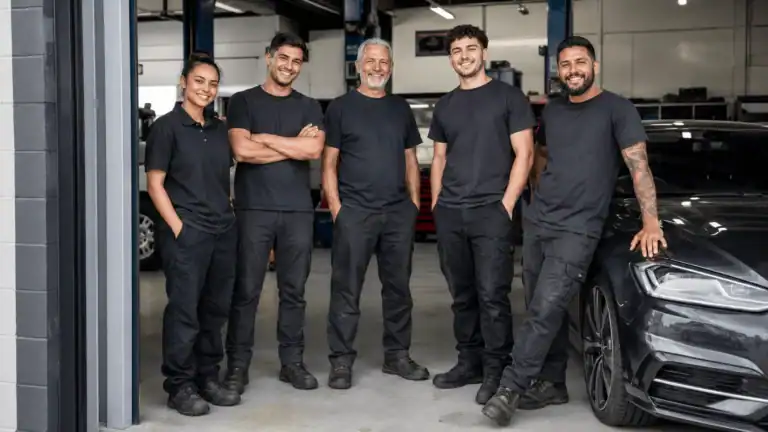
Star Mechanical Repairs is a family-run workshop in Northmead specialising in European vehicles. Owner Sarkis brings over a decade of hands-on experience and a simple promise: quality work, honest advice, at a fair price.

European Vehicle Specialists

Deep experience with BMW, Mercedes, Audi and VW means your car is in the right hands.

No Surprises, No Pressure

Bring your vehicle in and we’ll carry out a thorough inspection before any work begins.

OEM-Spec Fluid and Parts

We source genuine OEM-spec brake fluid for BMW, Mercedes, Audi and VW vehicles.

Brands We Service

Whatever your needs chances are we have you covered, see other brands we service below or click "See All Brands" to see the full list of brands we service.

How Brake Fluid Change Works

Your brake fluid replacement is completed in four straightforward steps, from booking through to safe collection.

Step 1

Book Your Free Inspection

Book your free inspection to arrange your brake fluid change at a time that suits you.

Step 2

Brake Fluid System Assessment

We inspect your brake lines, test fluid condition, and check for contamination or moisture present.

Step 3

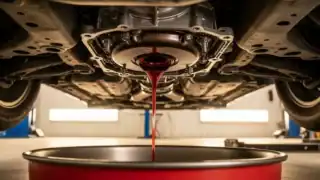
Fluid Flush and Replacement

We flush the entire brake system and install fresh fluid meeting your vehicle's OEM specification.

Step 4

Safety Check and Collection

We test your brakes, confirm smooth pedal feel, and hand over your vehicle ready to drive.

Rated 4.8 Stars by Our Customers

Verified 5★ Reviews

Quality Parts From Trusted Suppliers

We source quality genuine and reputable aftermarket parts from trusted suppliers, so every repair is backed by manufacturer warranty and built to last.

Book Your Free Inspection

Fill in the form and we'll be in touch to confirm your booking.

Booking Form
  • Vehicle Details
  • Confirm Vehicle
  • Services
  • Contact Details
No Pressure Advice
Work Explained First
Family-Run Workshop

Why Book With Us

Book Your Free Inspection
Drop Off Your Car
We Get to Work
Collect and Drive Away

Common Questions, Honest Answers

Browse the questions below for straightforward answers about our services. If you can't find what you're looking for, give us a call and we'll help.

Brake fluid is the hydraulic fluid that transfers your foot pressure to the brake pads, bringing your car to a stop. Over time it absorbs moisture from the air, which lowers its boiling point and can cause brake fade or failure under heavy braking. A European vehicles brake fluid change replaces the old fluid with fresh fluid, restoring your braking performance and safety. This service is especially important for European cars like BMW, Mercedes, Audi and Volkswagen, which operate at high performance standards.

Most manufacturers recommend a brake fluid change every two years, regardless of how many kilometres you’ve driven. Some European vehicles specify longer intervals, so check your logbook or owner’s manual for your car’s exact schedule. We’ll review your service history when you come in and let you know what your specific vehicle needs. Neglecting this service can lead to reduced braking efficiency and potential safety risks on the road.

Watch for a soft or spongy brake pedal that feels less responsive than usual, or a brake warning light on your dashboard. If your brakes feel sluggish when you’ve been braking hard, or if the pedal travels further toward the floor, these are signs the fluid has degraded. Don’t delay if you notice any of these symptoms. Compromised brakes are a safety issue and should be inspected by a qualified mechanic as soon as possible.

A brake fluid change usually takes one to two hours, depending on your vehicle’s design and whether we find any other issues during inspection. European cars sometimes have more complex brake systems, which can add a bit of time. We’ll give you a clearer estimate once we’ve had a look at your car. You’re welcome to wait in our workshop, or we can call you when the job’s done.

Australian consumer law under ACCC guidance generally allows you to have your vehicle serviced by a qualified independent mechanic without affecting your manufacturer warranty. The key is that the service must be carried out to the manufacturer’s specification using quality parts. However, warranty terms vary by brand and model, so we recommend checking your specific documentation or contacting your manufacturer directly. We’re happy to discuss your warranty status when you visit.

Yes, we can stamp your logbook when we complete the brake fluid change. Keeping your logbook up to date is important for resale value and warranty tracking. We’ll record the service details and date so you have a full maintenance record. Bring your logbook with you when you come in, or let us know if you need help locating it.

Most modern European vehicles use DOT 4 brake fluid, though some high-performance BMW and Mercedes models may specify DOT 5.1 for higher boiling points. We source quality brake fluid that meets or exceeds your vehicle’s manufacturer specification. Using the correct fluid type is critical for safety and system performance. We’ll confirm the right fluid for your car before we start work and explain any differences if your vehicle has specific requirements.

We’ll lift your vehicle safely, locate the brake fluid reservoir, and use a brake bleeding kit to flush out the old fluid and replace it with fresh, clean fluid. The process ensures all air is removed from the brake lines so your brakes feel firm and responsive. We’ll also inspect your brake pads, rotors and hoses while we’re in there to catch any wear early. Once done, we’ll test your brakes to make sure everything feels right before you drive away.

Continue to site