A worn or failing clutch can turn a smooth drive into a stressful one. Whether your European vehicle is slipping under load, grinding when you change gear, or dragging when you disengage the pedal, European vehicles clutch repair is one of those services that can’t wait. The clutch is what connects your engine to the gearbox, allowing you to change gear smoothly and bring the car to a stop. When it starts to fail, you’ll feel it immediately, and ignoring the signs usually leads to a much bigger repair bill down the track. We see clutch issues regularly in our Northmead workshop, particularly in European models like BMW, Mercedes, Audi and Volkswagen, which tend to show distinct wear patterns and require precise diagnostic work to get right.
What Are the Warning Signs Your Clutch Needs Attention?
The clutch doesn’t usually fail without warning. Most drivers notice something off well before the system stops working completely. Common symptoms include a spongy or soft pedal that feels different from normal, a burning smell coming from under the car when you’re driving in stop-start traffic, or a noticeable delay when you press the clutch pedal before the gear engages. Some people describe it as the pedal sinking to the floor without resistance, or feeling like you have to hold the pedal down harder than usual to disengage the gears.
- Clutch slipping, especially under acceleration or when carrying load
- Grinding or crunching sound when changing gear
- Difficulty shifting into reverse or first gear
- Burning smell from the clutch area during city driving
- Soft, spongy, or unresponsive clutch pedal
- Pedal doesn’t return to its normal position smoothly
If you notice any of these, the clutch system needs a professional inspection. Driving with a failing clutch damages the flywheel and pressure plate, which turns a relatively straightforward repair into a much larger (and costlier) job.
How We Diagnose and Repair European Vehicle Clutch Issues
European vehicles often use different clutch architectures and hydraulic systems compared to domestic models, so diagnosis needs to be precise. We start by listening to what you’ve noticed, then move the car onto the hoist to inspect the clutch system visually. For hydraulic clutches, which most modern European vehicles use, we check the fluid level and condition, test for leaks in the slave cylinder or master cylinder, and inspect the hose for wear or splits. The pedal travel and resistance tell us a lot; if there’s no tension or the pedal sinks, that usually points to a cylinder issue rather than a worn clutch plate.
Once we’ve identified the problem, we explain exactly what needs to be done before we touch anything. A genuine clutch plate repair might involve replacing the clutch disc, flywheel, pressure plate, and release bearing, depending on what our inspection reveals. For European vehicles, we align our parts specifications with the manufacturer’s requirements, so you’re getting OEM-equivalent parts with proper warranties, not generic aftermarket clutches that compromise performance.
The actual repair involves removing the gearbox and transmission, which is the time-intensive part of the job. We don’t rush this. Once everything is out, we inspect the flywheel for scoring or heat damage, replace worn components, and reassemble with precision to ensure smooth engagement and reliable gear changes. We’ll also flush and refill the hydraulic fluid to manufacturer spec, because old fluid can introduce contamination that affects clutch feel.
What Affects the Cost and Time for Clutch Repair in Northmead
Several factors influence how long a European vehicles clutch repair takes and what it will cost. The biggest variable is whether only the clutch plate needs replacing (a simpler job) or whether the flywheel, pressure plate, and cylinders all need attention (more involved). European vehicles sometimes require special tools for flywheel removal or pressure plate adjustment, which adds technical complexity but ensures the job is done correctly.
Parts availability plays a role too. If you’re driving a common European model like a VW Golf or Mercedes C-Class, we usually have the parts in stock or can source them quickly. Less common models might require a longer lead time. We always confirm parts availability and timeframes with you before we begin, so there are no surprises.
We source quality parts with manufacturer warranty backing rather than the cheapest option available. This protects your investment in the repair and means your clutch will feel and perform like it should. We’ll discuss whether OEM parts or genuine-equivalent alternatives make sense for your situation, and you’ll understand the choice before we order anything.
Why European Vehicle Owners Choose Us for Clutch Repair
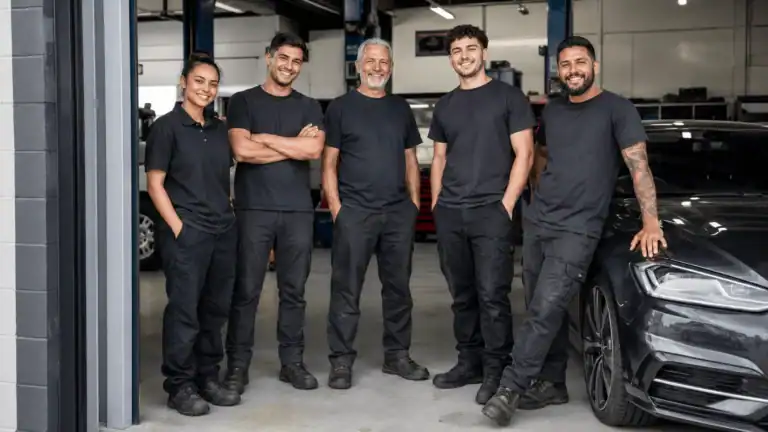
We’re a family-run workshop with over a decade of hands-on mechanical experience, and we specialise in European vehicles. That matters because European clutches and hydraulic systems work differently from what you’ll find in many generalist shops. Our owner Sarkis has been a mechanic since he was 16, and European vehicle repair is genuinely what he does best. We’ve built our reputation on transparent advice and honest work. We won’t suggest you need a clutch replacement if what you actually need is a slave cylinder repair, and we won’t disappear while your car is in pieces. You’ll speak directly with the person working on your car, and we explain every step before we do the work.
Every repair comes with a clear explanation of what was wrong, what we’ve done, and why. No pressure, no upselling. If you need a clutch repair, we’ll tell you. If it’s something smaller, we’ll tell you that too. Our customers consistently rate their experience highly because they know exactly what’s happening to their European vehicle and why.
Book Your Clutch Inspection Today
If your clutch pedal feels soft, your gears grind, or you’re noticing any of the other warning signs, don’t wait. Call Us Now or Book Your Free Inspection online. We’ll get your European vehicle diagnosed and explain exactly what’s needed to get your clutch working smoothly again.