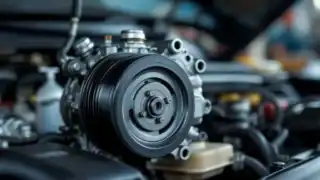
Your European vehicle’s drive belt is one of those components that works quietly in the background until it doesn’t. This rubber belt wraps around multiple pulleys and drives essential systems like your alternator, power steering pump, and air conditioning compressor. When it’s time for European Vehicles Drive Belt Replacement in Northmead, catching the problem early keeps you on the road and prevents a far more expensive breakdown. We see drive belt wear regularly across BMW, Mercedes, Audi, and Volkswagen models, and understanding what to look for helps you avoid being stranded.
Warning Signs Your Drive Belt Needs Replacement
Drive belts don’t always fail with drama. Often you’ll notice signs that tell you replacement is coming soon.
- A high-pitched squealing or chirping noise from the engine bay, especially when starting or during wet weather
- Visible cracks, fraying, or glazing on the belt surface when you look under the bonnet
- Reduced power steering responsiveness or stiffness in the steering wheel
- Air conditioning losing cooling capacity
- The alternator warning light on your dashboard, indicating the alternator isn’t charging properly
- Rough idling or hesitation, caused by accessories not running smoothly
European vehicles often follow manufacturer-specific service intervals. Audi, BMW, and Mercedes typically recommend belt inspection every 60,000 to 80,000 kilometres, though some models use condition-based servicing where the belt is checked as part of regular maintenance visits. If your logbook servicing is due, we’ll assess the belt’s condition at the same time and let you know if replacement is urgent or can wait until the next scheduled service.
What Happens During a Drive Belt Replacement Service
Replacing a drive belt isn’t simply pulling off the old one and fitting a new one. The job requires precision, especially on European vehicles where engine bay access can be tight and multiple components need careful handling.
We start by identifying your vehicle’s exact belt specification. European models often use OEM belts engineered to precise tolerances, and we source genuine or manufacturer-equivalent replacements that match your car’s original spec. This matters because an undersized or oversized belt won’t tension correctly and will slip or wear prematurely.
Next, we inspect the pulleys the belt runs on. Over time, pulley grooves can wear or become glazed, which causes a new belt to slip even if the belt itself is perfect. If a pulley shows wear, we’ll recommend replacement so your new belt runs smoothly and lasts its full service life. We’ll explain what we find before proceeding, so you understand exactly what’s being replaced and why.
The removal process varies depending on your model. Some belts are accessed easily from the top of the engine; others require removal of the coolant reservoir, air intake, or other components to reach the tensioner and belt path. We route the new belt exactly to the manufacturer’s specification, set the tension using a belt tension gauge (not by feel), and test that all accessories run without noise or slippage.
For European vehicles with serpentine belts driving multiple accessories, we also inspect the serpentine drive belt routing diagram in your service manual to confirm nothing is missed. A misrouted belt will slip and overheat immediately.
What Influences Cost and Time for Drive Belt Replacement in Northmead
Drive belt replacement isn’t a one-size-fits-all job. Several factors affect the scope and duration of the work.
Vehicle access and engine design: Compact European engines, particularly in Audi A1, BMW Mini, or Mercedes A-Class models, may require removal of ancillary components to reach the belt and tensioner. Larger models like a BMW X5 or Mercedes E-Class often have better access but more pulleys to manage. This directly impacts labour time.
Pulley condition: If pulleys are worn or damaged, replacement adds cost and time. We inspect them as part of the job and let you know upfront if they need renewal. Using worn pulleys with a new belt is a false economy that leads to early belt failure.
Parts specification: We source OEM-spec or genuine-equivalent belts with manufacturer warranty backing. The part cost reflects quality, but a correctly specified belt will outlast a generic option and won’t damage your accessories.
Ancillary repairs: Sometimes while we’re in the engine bay, we’ll spot something else worth addressing, a leaking seal, a worn coolant hose, or a suspect alternator bearing. We’ll point it out and let you decide whether to address it now or monitor it. No pressure, no surprise invoices.
Why Star Mechanical Repairs Is Your Drive Belt Replacement Partner
We specialise in European vehicles. That means we understand BMW, Mercedes, Audi, and Volkswagen designs, their quirks, and their service requirements. Owner Sarkis has over a decade of hands-on mechanical experience, and he approaches every belt replacement with the same care you’d expect if it were his own car.
We don’t upsell parts you don’t need, and we don’t rush diagnosis to hit a target. Every repair is explained clearly before we start, so you know exactly what’s happening and why. We use quality parts with manufacturer warranty backing, and tension every belt to specification, not guesswork. If a pulley needs replacement, we’ll show you why rather than simply charging for it.
Because we’re owner-operated, decisions are made in your interest, not a head office’s. Star Mechanical Repairs is based in Northmead and we work with local families and tradies who depend on their vehicles day in and day out.
Next Steps
If you’ve noticed squealing from your engine bay, or if your logbook servicing is coming up and you want the belt inspected, Book Your Free Inspection online or Call Us Now. We’ll check the belt’s condition, assess pulley wear, and give you a clear picture of what’s needed and when. No obligation, no pressure.