European Servicing Starts From $349 & Free Pink Slip W/ Any Service

Family-Owned & Operated
European Specialists
5★ Reviews
Repairs Explained Upfront

Verified 5★ Reviews

Certified Volkswagen Radiator Flush In Northmead

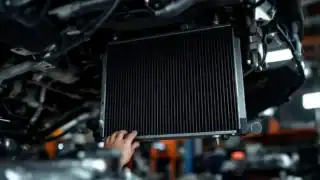
A radiator flush clears built-up sediment from your Volkswagen's cooling system, restoring efficiency and preventing overheating. We'll explain what we find and why the service matters for your car.

Euro Specialists

Honest Advice

5★ Reviews

VW Cooling Specialists

Book Your Free Inspection

Fill in the form and we'll be in touch to confirm your booking.

Booking Form
  • Vehicle Details
  • Confirm Vehicle
  • Services
  • Contact Details
No Pressure Advice
Work Explained First
Family-Run Workshop

Why Book With Us

Book Your Free Inspection
Drop Off Your Car
We Get to Work
Collect and Drive Away

A Volkswagen radiator flush is preventative maintenance that keeps your cooling system clean and your engine running at the right temperature. Over time, coolant breaks down and deposits build up inside the radiator and cooling passages, reducing efficiency and risking overheating. If you’re noticing warning lights, temperature fluctuations, or simply want to stay ahead of cooling problems, a Volkswagen radiator flush is a straightforward way to protect your VW’s engine. We handle this service here in Northmead, and we’ll walk you through exactly why your car needs it and what the service involves.

Signs Your Volkswagen’s Cooling System Needs Attention

Coolant doesn’t last forever. Volkswagen engines, particularly the TSI and TDI units found in models like the Golf, Passat, and Polo, run hot and demand clean coolant to maintain proper heat transfer. If you spot any of these symptoms, it’s time to have your cooling system checked:

  • Temperature gauge climbing higher than normal during city driving or slow traffic
  • Coolant that looks brown, rust-coloured, or cloudy instead of its original bright colour
  • Sweet smell coming from the engine bay or exhaust
  • Visible coolant leaks under the car (usually green, orange, or pink depending on Volkswagen’s specification)
  • Dashboard warning lights for engine temperature or cooling system faults
  • Heater blowing cold or not warming up properly in winter

Even without obvious symptoms, Volkswagen’s service schedule recommends coolant inspection and renewal at set intervals. The exact interval depends on your model and the type of coolant specified in your owner’s handbook (G11, G12, G13, or G48 variants are common across the VW range). Using the wrong coolant type or letting it degrade can lead to corrosion, blocked passages, and costly engine damage.

What Happens During a Volkswagen Radiator Flush

A radiator flush isn’t simply draining old coolant and refilling. Proper flushing removes mineral deposits, rust particles, and sediment that accumulate in the radiator core, heater matrix, and engine cooling passages. For Volkswagens, we follow a methodical approach:

System inspection. We pressure-test the radiator, heater hoses, thermostat housing, and water pump to check for leaks or weak points. Volkswagens can develop seals that fail prematurely if coolant pH becomes too acidic or if the system has been neglected, so we inspect these areas carefully.

Coolant extraction. We drain the old coolant completely using a flush machine that recirculates clean water and flush agent through the entire system under controlled pressure. This dislodges debris that simple draining would leave behind. We dispose of old coolant safely and responsibly.

System cleaning. A flushing agent runs through the radiator, water jacket, heater matrix, and hoses to break down scale and rust. For Volkswagens that have had mixed coolant types or extended intervals, this step is crucial because VW engines are sensitive to corrosion.

Fresh coolant fill. We refill with OEM-specification coolant matched to your model and year. Using the correct Volkswagen coolant type (we keep G11, G12, and G13 in stock) protects against compatibility issues and ensures proper heat transfer and corrosion protection.

Thermostat and bleed check. Once filled, we run the engine, monitor temperature, and bleed air from the system to prevent pockets that can cause hot spots or overheating. A stuck thermostat is often discovered during this step; if yours isn’t opening and closing properly, we’ll advise you on replacement options.

What Affects Time and Cost for Your Radiator Flush

A straightforward Volkswagen radiator flush on a Golf or Polo typically takes 1 to 2 hours. More complex models, or cars with additional cooling components (like some Passat or Touareg variants), may take longer. Several factors influence the final outcome:

Coolant condition and age. If coolant is heavily contaminated or hasn’t been changed in many years, flushing takes longer because the system needs multiple passes to clear debris. Older cars with neglected cooling systems always cost more to flush properly.

OEM coolant type. Volkswagen specifies different coolant formulations by model year. We stock quality equivalents that meet or exceed OEM standards, and we’ll use the correct type for your vehicle. Genuine OEM coolant carries a manufacturer warranty, which we always recommend.

Additional repairs discovered. During inspection, we might find a failing thermostat, corroded hose, or weak water pump. We’ll explain what we find and let you decide whether to address it now or monitor it. We never push unnecessary work, but we’ll be clear about what risks you’re taking if you defer repairs.

Parts availability is rarely an issue for Volkswagens in Northmead because these vehicles are common and parts are readily stocked. If your car needs a new thermostat or radiator hose alongside the flush, we usually have them on hand.

Why Star Mechanical Repairs for Your Volkswagen Cooling System

Volkswagens—whether petrol TSI engines, diesel TDIs, or hybrid models—deserve specialist attention. We’ve spent over a decade working on European vehicles, and Volkswagens are a core part of our work. We understand their cooling system quirks, the common failure points, and which components matter most for long-term reliability.

We use quality coolant with manufacturer warranty protection, we explain every step before we start work, and we won’t upsell you on services your car doesn’t actually need. When we recommend a Volkswagen engine radiator flush, it’s because we’ve inspected your cooling system and found it genuinely needs one. If your coolant is still in good condition, we’ll tell you that too.

Every job is explained clearly before we begin. You’ll know what we’re doing, why, and what you can expect when you collect your car. No surprises, no pressure, just honest work at a fair price. Our owner-operated, family-run workshop has built its reputation on transparent advice and quality repairs across European vehicles including BMW, Mercedes, Audi, and Volkswagen.

Book Your Volkswagen Radiator Flush in Northmead Today

If your Volkswagen is showing cooling system symptoms or it’s simply time for a flush based on service history, Call Us Now or Book Your Free Inspection online. We’ll diagnose your cooling system, explain what’s needed, and get your car running cool and efficiently again.

Other Services

Whatever your needs we have you covered, see some similar services below or click "See All Services" to explore our full service offering.

Honest Mechanics Who Know European Cars

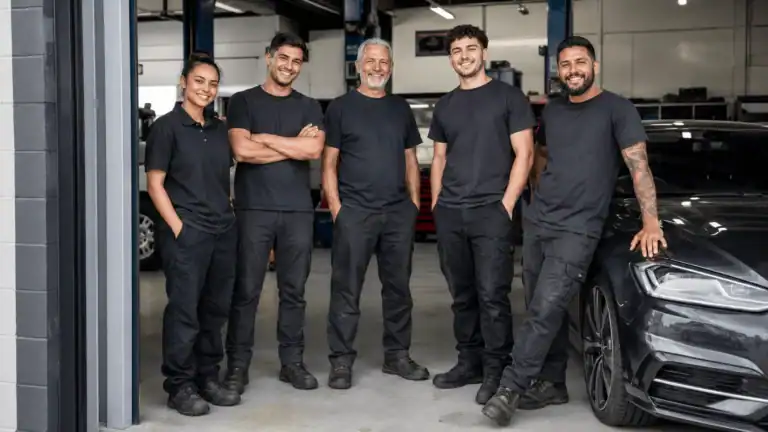
Star Mechanical Repairs is a family-run workshop in Northmead specialising in European vehicles. Owner Sarkis brings over a decade of hands-on experience and a simple promise: quality work, honest advice, at a fair price.

European Vehicle Specialists

Deep experience with BMW, Mercedes, Audi and VW means your car is in the right hands.

No Surprises, No Pressure

Bring your vehicle in and we’ll carry out a thorough inspection before any work begins.

Volkswagen Radiator Expertise

We know VW cooling systems inside out and catch issues others miss.

How Volkswagen Radiator Flush Works

A straightforward four-step process to flush your Volkswagen cooling system and restore optimal engine temperature control.

Step 1

Book Your Free Inspection

Book your free inspection to assess your Volkswagen radiator flush needs at a time that suits you.

Step 2

Cooling System Assessment

We inspect radiator, hoses, and coolant condition using Volkswagen diagnostics to confirm flush need and identify leaks.

Step 3

Complete Radiator Flush

We drain old coolant, flush the system thoroughly, and refill with Volkswagen-specification coolant to factory standard.

Step 4

Quality Check and Collection

We verify coolant level and temperature operation, explain completed work, then your vehicle is ready to collect.

Rated 4.8 Stars by Our Customers

Verified 5★ Reviews

Quality Parts From Trusted Suppliers

We source quality genuine and reputable aftermarket parts from trusted suppliers, so every repair is backed by manufacturer warranty and built to last.

Book Your Free Inspection

Fill in the form and we'll be in touch to confirm your booking.

Booking Form
  • Vehicle Details
  • Confirm Vehicle
  • Services
  • Contact Details
No Pressure Advice
Work Explained First
Family-Run Workshop

Why Book With Us

Book Your Free Inspection
Drop Off Your Car
We Get to Work
Collect and Drive Away

Common Questions, Honest Answers

Browse the questions below for straightforward answers about our services. If you can't find what you're looking for, give us a call and we'll help.

A radiator flush removes the old coolant and deposits from your cooling system, then refills it with fresh coolant. We disconnect hoses, flush out the system with clean water and flushing solution to clear rust and sediment, then install new coolant that meets Volkswagen specifications. The process also checks hoses, clamps, and the radiator itself for damage. It typically takes 1-2 hours depending on your model.

Most Volkswagens need a coolant flush every 40,000 to 80,000 kilometres or every 2 to 3 years, whichever comes first. Your owner’s manual will specify the exact interval for your model. Older coolant breaks down over time and loses its ability to protect against corrosion and freezing, so staying on schedule keeps your engine running safely. We’ll check your logbook and let you know when your next service is due.

Watch for a sweet smell from the engine bay, visible coolant leaks underneath the car, overheating on the temperature gauge, or a milky, rusty appearance in the coolant when you look through the radiator cap. Discoloured or cloudy coolant is a clear signal that sediment has built up. Ignoring these signs can lead to overheating, blown head gaskets, or engine damage. If you notice any of these, have the system inspected soon.

No. Under Australian Consumer Law and ACCC guidance, having your Volkswagen serviced by a qualified independent mechanic does not automatically void your manufacturer warranty. What matters is that the service is done correctly and with appropriate parts. We use quality coolant that meets Volkswagen specifications and keep records of all work. For your specific warranty terms, check your paperwork or contact your dealer, but independent servicing is generally protected.

Volkswagens require specific coolant types, usually a long-life antifreeze formulated to their G12, G12+, or G13 specification depending on your model year. Using the wrong coolant can cause corrosion inside the engine and reduce protection against freezing and boiling. We stock quality coolant matched to your Volkswagen’s requirements and always confirm the correct type before we start work. Mixing old and new coolant can also cause problems, which is why a full flush is important.

Dirty coolant loses its protective properties and allows rust, scale, and sediment to build up inside your radiator, hoses, and engine block. This reduces cooling efficiency, causes overheating, and can lead to corrosion that damages seals and gaskets. Over time you risk a blown head gasket, which is an expensive repair. Regular flushing keeps coolant fresh and prevents these costly failures from developing silently in the background.

Cost depends on your specific model, whether the radiator or hoses need repairs, and the type of coolant required. A straightforward flush is usually more affordable than a flush that also involves replacing damaged hoses or the radiator itself. We’ll inspect the system first and give you a clear price before we start any work. There are no surprise charges; you’ll know exactly what’s needed and why.

Yes, we can stamp your service logbook when we complete a radiator flush. Keeping your logbook up to date is important for resale value and warranty claims. If a radiator flush is part of a scheduled logbook service, we’ll record it properly. Bring your logbook with you when you visit, and we’ll make sure it’s filled out and signed off correctly.

Volkswagens are prone to coolant leaks from the thermostat housing and water pump seals, particularly in higher-mileage vehicles. Some models also experience radiator corrosion from incompatible coolant types. The G12 and G13 specifications used in many Volkswagens are different from other brands, so using the wrong coolant can accelerate internal corrosion. Regular flushing with the correct coolant type helps prevent these issues from becoming serious and expensive repairs.

Look for cracks, bulges, soft spots, or visible leaks along the rubber hoses connected to your radiator. Squeeze the hoses gently when the engine is cold; they should feel firm but slightly flexible, not hard and brittle or mushy. Worn hoses may weep coolant slowly or fail suddenly, causing overheating. During your radiator flush, we inspect all hoses and let you know if any need replacing before they cause a breakdown.

Yes, they are very different. Topping up adds fresh coolant to the existing coolant in your system, but does not remove old, degraded coolant or the sediment and rust that accumulate over time. A full flush drains out all the old coolant completely and removes deposits, then refills with fresh coolant that meets your vehicle’s specifications. Flushing restores your cooling system’s protection and efficiency; topping up is just a temporary fix.

If your engine overheats shortly after a flush, turn off the air conditioning, pull over safely, and let the engine cool completely before driving. Once cooled, check the coolant level in the reservoir. It’s possible an air pocket entered the system during the flush, or the radiator cap may not be sealing properly. Contact Star Mechanical Repairs to have the system bled of air and checked for proper function. Overheating should never be ignored as it can cause serious engine damage.

Continue to site