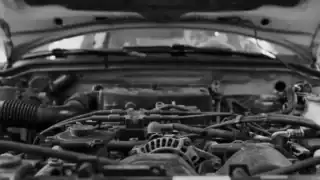
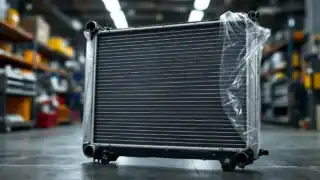
A Honda cooling system flush is one of those maintenance tasks that often gets overlooked until something goes wrong. Your cooling system keeps your Honda engine at the right temperature by circulating coolant through passages and the radiator. Over time, that coolant breaks down, picks up rust and debris, and loses its ability to protect against corrosion and overheating. A proper flush removes the old, degraded coolant and replaces it with fresh fluid that meets Honda’s OEM specifications. If you’re driving a Honda around Northmead and haven’t had this service done in several years, it’s worth understanding what it involves and why it matters.
Signs Your Honda Needs a Cooling System Flush
Your Honda will usually give you clear signals when the cooling system needs attention. The most obvious sign is the temperature gauge creeping toward the red zone, especially during traffic or warm weather. You might notice steam coming from under the bonnet, or a sweet smell (like burnt sugar) coming from the engine bay. Some drivers spot rusty or discoloured coolant when they check the overflow reservoir, or find pools of coloured fluid under the car after it’s been parked.
Beyond obvious leaks and overheating, there are subtler warnings. If your heater blows cold air even when you’ve set it to hot, coolant flow is likely restricted. A grinding or rattling noise from the engine can indicate corrosion inside the cooling passages. Many Honda owners also notice warning lights on the dashboard related to engine temperature, which should never be ignored.
Even without dramatic symptoms, Honda’s service schedules recommend a coolant flush every 100,000 kilometres or five years, whichever comes first. Some Hondas benefit from a flush sooner if the coolant appears cloudy, brown, or has a sludgy appearance. Neglecting this service is a common reason we see Honda engines overheat or suffer internal corrosion damage that becomes very expensive to repair.
What Happens During a Honda Cooling System Flush
When you bring your Honda in for a cooling system flush, we start with a visual inspection of the radiator, hoses, heater core, and thermostat housing. We check for leaks, loose clamps, and obvious signs of corrosion or blockage. We also verify that your Honda’s specific model year and coolant type are correct, because Honda has used different coolant formulations over the decades, and using the wrong type can cause compatibility issues and damage.
Next, we safely drain the old coolant into a proper container for responsible disposal. This step alone reveals a lot about the system’s condition. Discoloured or thick coolant tells us corrosion has been building up. We then flush the entire system with fresh water and a safe flushing solution to dissolve rust and debris from the radiator, engine block, heater core, and all associated passages. The flush continues until the water runs clear, ensuring no old coolant or sediment remains.
Once the system is clean, we refill it with Honda-approved coolant mixed to the correct concentration (usually 50% coolant, 50% distilled water). We bleed air from the system carefully, because trapped air pockets stop the coolant from circulating properly and can cause hot spots in the engine. We run the engine and monitor temperatures to make sure everything flows as it should. Before you leave, we top up the overflow reservoir and test the heater function to confirm the system is working correctly.
What Affects the Cost and Duration of Your Flush
A straightforward Honda cooling system flush typically takes between one and two hours, depending on how much debris or corrosion is present and whether any components need to be cleaned more thoroughly. If we discover a blocked heater core, a slow leak in a hose, or thermostat problems during the flush, the time and cost will increase because those components may need repair or replacement.
The type of coolant your Honda needs also influences cost. Genuine Honda coolant spec varies by model year and engine type, and we always use parts and fluids that meet the manufacturer’s standards. Some older Hondas use conventional green coolant, while newer models use long-life pink or blue formulations. Using the correct spec protects your engine and maintains warranty coverage on the cooling system itself.
If your cooling system has been neglected and internal corrosion is severe, or if we find leaks that need hose or gasket replacement alongside the flush, the job becomes more involved. We’ll explain exactly what we find and what’s needed before we proceed, so there are no surprises.
Why Trust Star Mechanical Repairs for Your Honda Cooling System Flush in Northmead
We’re a family-run workshop with over a decade of hands-on mechanical experience, and we specialise in Honda and other Japanese vehicles. That depth of experience means we understand Honda’s cooling system design, common failure points, and the right way to service them. We don’t rush through flushes or recommend unnecessary parts replacements. You’ll always know exactly what we’ve found, what we’re doing, and why before we start any work.
Our approach is straightforward: quality work, honest advice, at a fair price. We use quality parts with manufacturer warranty, and we explain every step of the process clearly. Cooling system work is too important to hand to a workshop that treats it like a quick tick-box service. We take the time to get it right.
Book Your Honda Cooling System Flush Today
If your Honda’s coolant is overdue for a flush, or you’ve noticed any warning signs, don’t wait for an overheating crisis. Call Us Now or Book Your Free Inspection online. We’ll check your cooling system, explain what it needs, and get you back on the road with confidence. We service the Northmead area and surrounding suburbs with the same attention to detail you’d expect from a workshop that values your trust.