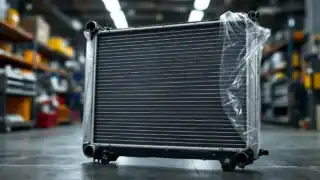
A BMW cooling system flush is one of those services that doesn’t announce itself loudly until something goes wrong. Your cooling system works quietly in the background, managing engine temperature across everything from suburban Northmead traffic jams to longer highway runs. Over time, the coolant that circulates through your BMW’s engine degrades. It loses its ability to prevent rust, corrosion builds up inside passages, and sediment accumulates. A BMW cooling system flush removes that old, contaminated coolant and replaces it with fresh fluid that protects your engine properly. For BMW owners, this isn’t just maintenance—it’s preventing expensive damage to your car’s most critical system.
Signs Your BMW Cooling System Needs a Flush
Your BMW will usually give you warning signs before a cooling system problem becomes serious. Knowing what to watch for helps you catch issues early and avoid roadside breakdowns.
- Coolant fluid that looks brown, murky, or discoloured instead of its original bright colour
- Engine temperature gauge running higher than normal, especially in traffic or on warm days
- Sweet-smelling liquid pooling underneath your car (coolant leak)
- Heater not producing warm air, or air blowing cold when it should be hot
- Visible rust stains or discolouration inside the coolant overflow tank
- Engine overheating warning light appearing on your dashboard
- Rough idle or performance issues linked to engine running too warm
BMW vehicles also follow manufacturer service schedules. If your BMW logbook specifies a coolant flush interval, that’s your signal to book in. Many BMWs recommend a cooling system flush every 2 years or 40,000 kilometres, whichever comes first, though this varies by model and year. Ignoring that interval means coolant breaks down further, corrosion spreads through your radiator and water pump, and you’re looking at much bigger repair bills down the track.
What a BMW Cooling System Flush Involves
When you bring your BMW in for a cooling system flush, we start by inspecting the existing coolant. We check its colour, condition, and pH level to confirm whether a flush is needed or if the system can run longer. A visual inspection of the radiator, hoses, and connections also shows us whether there’s visible corrosion or damage.
The flush itself uses specialised equipment designed for BMW specifications. We connect a flushing machine that circulates a cleaning solution through your entire cooling system—radiator, engine block, heater core, water pump, and all connecting hoses. This solution breaks down rust, scale, and sediment buildup that plain water alone can’t remove. The machine then evacuates that dirty fluid completely.
Once the system is clean, we refill it with fresh coolant that meets BMW’s OEM specifications. This matters more than many owners realise. BMW coolants have specific additives and pH levels designed to protect aluminium components and prevent corrosion in your car’s engine bay. Using the right coolant protects your investment and keeps your engine running at the temperature your BMW’s management system expects.
We also inspect and test your thermostat, heater control valve, and water pump function during the flush. If any of these components show signs of wear or failure, we’ll let you know before proceeding so you can make an informed decision. There’s no surprise upselling—we explain exactly what we find and what needs attention.
What Affects Time and Cost for Your BMW Cooling System Flush
Several factors influence how long a cooling system flush takes and what it costs. The size of your BMW’s cooling system is one—a 3-Series holds less coolant than a 5-Series or X5, so flushing takes less time. The condition of the existing coolant matters too. If your coolant is relatively fresh and clean, the flush moves quickly. If it’s heavily contaminated with rust and sediment, the cleaning cycle takes longer to do the job properly.
Whether your BMW uses standard coolant or extended-life coolant affects parts costs slightly. We always source OEM-spec coolant to match your BMW’s requirements. Parts availability is rarely an issue for cooling system work, so turnaround is usually straightforward.
If we discover corroded hoses, a failing thermostat, or a water pump showing age during the inspection, those are separate repairs that add to the overall job. We’ll discuss any findings with you first and let you decide what to address now and what to monitor.
Why BMW Owners in Northmead Choose Star Mechanical Repairs
Star Mechanical Repairs specialises in European vehicles, and BMWs are a significant part of that work. We understand BMW-specific cooling systems, their common failure patterns, and the OEM specifications that matter. Our owner, Sarkis, brings over a decade of hands-on mechanical experience, including countless cooling system flushes and repairs on a range of BMW models.
We don’t guess at diagnosis or throw unnecessary parts at your BMW. We inspect first, explain what we find, and only recommend work your car actually needs. You’ll know exactly what’s happening before we start, and you won’t be pressured into repairs you don’t want. That straightforward, honest approach is why BMW owners in Northmead trust us to look after their cars.
We use quality parts backed by manufacturer warranty, so you know your cooling system will be protected. And because we’re owner-operated and family-run, we treat your BMW like it’s our own. Our customers consistently rate us highly, and that trust reflects the care we put into every job.
Book Your BMW Cooling System Flush in Northmead
If your coolant is overdue for a flush, or you’re seeing any of the warning signs listed above, the time to act is now. Book Your Free Inspection with us online or Call Us Now to discuss your BMW’s cooling system needs. We’ll get you sorted quickly and fairly.