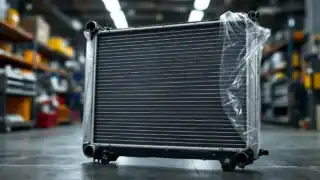
Your BMW’s cooling system keeps the engine running at the right temperature. When that system isn’t working properly, engine damage can follow quickly. A BMW radiator service involves inspecting, flushing, and if needed, repairing or replacing the radiator to ensure coolant flows freely and heat disperses as it should. When you bring your BMW to our Northmead workshop, a failing radiator can turn a routine commute into an expensive breakdown. We’ll walk you through what a radiator service looks like, what signs to watch for, and why professional diagnosis matters for your specific BMW model.
Signs Your BMW Radiator Needs Attention
A radiator problem usually announces itself through clear warning signs. Watch for these symptoms:
- Engine temperature gauge climbing into the red zone, especially in traffic or uphill driving
- Visible coolant leaks under your car (green, orange, or pink fluid depending on BMW model and coolant type)
- Sweet smell from the engine bay, indicating coolant vapour
- Overheating warning light on your dashboard
- Loss of coolant without visible leaks, suggesting internal corrosion or a pinhole rupture
- Discoloured or rusty-looking coolant visible through the overflow tank
- Fan running constantly, even when the engine is cool, as the system tries to compensate
Coolant systems in BMW models are under pressure and designed to cycle coolant through the radiator continuously. When a radiator develops a crack, blockage, or internal corrosion, that cycle breaks down. The engine temperature rises, metal expands, and further damage accelerates. Ignoring these signs can lead to warped cylinder heads, blown gaskets, or complete engine failure.
How BMW Radiator Service Works at Our Workshop
Every BMW radiator service starts with a proper diagnosis. We don’t assume the radiator is the culprit without checking. Temperature sensors, thermostat operation, water pump function, and hose integrity all affect how your cooling system performs. On many BMW models, including 3-Series, 5-Series, X3, and X5 vehicles, we use specialised diagnostic equipment to read engine coolant temperatures and system pressures. This tells us whether the issue is the radiator itself or something else upstream.
If the radiator is the problem, we inspect it thoroughly. Modern BMW radiators are aluminium with plastic tanks, designed for efficiency but prone to corrosion if coolant has been neglected or if the wrong type of fluid has been used. We look for external damage, internal blockages (visible when we flush the system), and leak points. Many radiator issues can be caught early through a coolant flush and fill with the correct BMW-specification coolant, which inhibits corrosion and keeps the system clean. In other cases, the radiator needs replacement.
For a radiator replacement on a BMW, the job involves draining the coolant system, removing hoses and mounting brackets, and installing a new radiator with OEM-equivalent parts that meet BMW specifications. We refill with the correct coolant type for your model (important, as using generic coolant can cause problems down the track), bleed the system to remove air pockets, and test the thermostat and fans before returning your car to you. The whole process takes time to do right, and rushing it creates air locks that trigger overheating again.
What Affects Radiator Service Time and Cost
Several factors influence how long a BMW radiator service takes and what it costs. First is access. Some BMW models have the radiator easily visible from above; others require removing the bumper, grille, or other components to reach it safely. Second is parts availability. We typically use OEM-equivalent radiators that meet BMW specifications, and sourcing the right part for your specific model year matters. Third is the condition of surrounding components. If hoses are brittle, the water pump is failing, or the thermostat is stuck, we’ll identify that during diagnosis and discuss it with you before proceeding.
Coolant flushes as preventative maintenance cost less and take less time than a full radiator replacement. If your radiator is simply clogged or corroded internally rather than cracked, a flush often restores function. If the radiator has a crack or the tanks are deteriorating, replacement is the answer. We’ll explain exactly what we find and what’s needed to fix it, without pressure to replace parts that don’t need replacing.
Why Star Mechanical Repairs Handles BMW Radiator Service Differently in Northmead
Star Mechanical Repairs specialises in European vehicles, and BMW cooling systems are part of our core work. Owner-operated and family-run, we’ve built our reputation on honest, transparent advice with over a decade of hands-on mechanical experience. We don’t treat every radiator issue the same way. A 3-Series radiator problem often points to different root causes than an X5, and we know the difference.
We use quality parts with manufacturer warranty backing, and we always explain what we’re doing before we start. No surprises, no upselling. If your radiator can be saved with a flush, we’ll tell you. If it needs replacement, we’ll explain why and what the timeline looks like. You’ll get a clear picture of what your BMW needs and why, so you can make the decision with confidence. Our 4.8-star rating from over 115 five-star reviews reflects our commitment to doing the job right, treating every customer fairly, and getting European vehicles back on the road safely.
Next Steps
If you’ve noticed overheating, coolant leaks, or warning lights on your BMW dashboard, don’t wait. A radiator issue gets worse, not better, with time. Call us now to discuss what you’ve noticed, or book your free inspection online so we can diagnose the problem and explain your options.