Your radiator is the unsung workhorse of your European vehicle’s cooling system. It sits at the front of the engine bay, drawing heat away from the coolant that circulates through your engine, then releasing that heat into the air so your motor stays at the right temperature. When your radiator starts to fail, you’re not just looking at an inconvenient breakdown — you’re risking engine damage that can be catastrophically expensive. European vehicles radiator service in Northmead is something we handle regularly, and catching problems early makes all the difference between a straightforward repair and a seized engine.
Common Signs Your Radiator Needs Attention
Most drivers don’t think about their radiator until something goes wrong. If you’re seeing any of these warning signs, it’s time to have your cooling system checked:
- Temperature gauge creeping toward the red zone or sitting higher than normal
- Sweet-smelling coolant leaks under your car or in the engine bay
- White or blue smoke from under the bonnet
- Coolant loss without visible puddles (internal leak)
- Rusty, discoloured, or cloudy coolant when you check the reservoir
- Engine overheating on short drives or in heavy traffic
- Reduced heating or cooling performance from your climate control
Even if you’re not seeing obvious symptoms, if your vehicle is getting on in age or has done high kilometres, the radiator’s cooling fins can become clogged with dirt and oxidation. A radiator service catches these issues before they strand you on the road.
What Happens During a European Vehicles Radiator Service at Our Northmead Workshop
We don’t just top up your coolant and call it done. A proper radiator service includes a full diagnostic of your cooling system, because the radiator rarely fails in isolation — it’s part of a network that includes the water pump, thermostat, hoses, and fan.
Here’s what we inspect and address:
- Visual inspection: We check for leaks, corrosion, damage to the radiator core, and fin deterioration. On European vehicles like BMW, Mercedes, Audi, and Volkswagen, we look for coolant weeping at common weak points specific to each model’s design.
- Coolant condition testing: We test your coolant’s pH, freeze protection, and boil-over point. Coolant degrades over time and loses its protective properties. European manufacturers specify particular coolant types — we ensure the right spec is used for your vehicle.
- Pressure testing: A properly sealed cooling system holds pressure. We pressurise the system to identify leaks that might not be visible at rest, including internal leaks into the engine itself.
- Fan and thermostat check: The radiator fan and thermostat work together to regulate flow and temperature. If either is stuck or failing, your radiator will overheat regardless of its condition.
- Hose and connection inspection: Rubber hoses degrade, clamps corrode, and connections can weep. We replace any hose showing cracks or soft spots.
If the radiator needs repair, we discuss your options: radiator repair (often possible for small leaks or blocked fins), flushing and refill with fresh coolant to OEM specification, or radiator replacement if the core is damaged. We explain what we’ve found and why it matters before any work begins — no surprises, no upselling.
What Affects Cost and Turnaround Time
Several factors shape the cost and how long your European vehicles radiator service will take. The first is access — some vehicles require removal of bumpers, fans, or other components to get to the radiator safely. European vehicles often have tighter engine bays than older Australian-market cars, so labour time can vary significantly between models.
The second is parts availability. If you need a new radiator, we can source OEM radiators or quality aftermarket equivalents. OEM parts carry a full manufacturer warranty and are guaranteed to fit and perform to factory specification. Aftermarket radiators are typically quicker to source and cost less, but we only fit units that meet the vehicle’s cooling capacity and pressure rating.
Coolant specification also matters. BMW uses different coolant than Mercedes or Audi, and using the wrong type can damage seals and create corrosion. We always use the correct spec for your vehicle, and we’re transparent about whether we’re using genuine OEM fluid or an equivalent.
Labour time for a radiator diagnosis typically takes an hour. If flushing and refill is all that’s needed, add another hour. Radiator replacement or repair takes longer and depends on access — expect a full working day for straightforward replacement on most European models.
Why European Vehicle Owners Choose Us for Cooling System Work
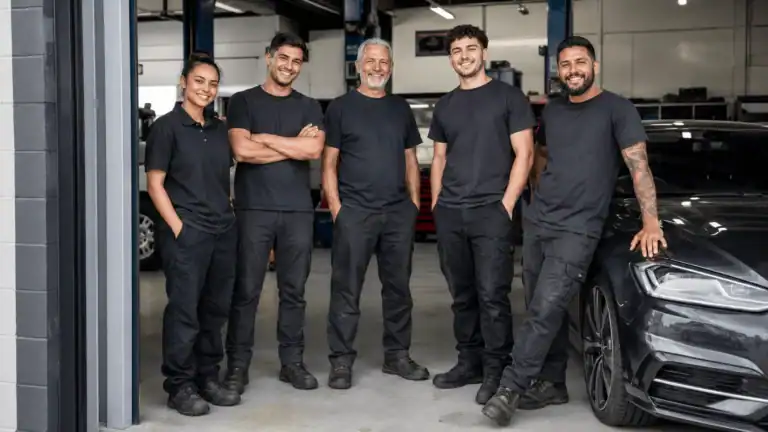
We’re a family-run workshop in Northmead, and we specialise in European vehicles. That means our technicians have worked on BMW, Mercedes, Audi, and Volkswagen cooling systems dozens of times. We know the quirks of each brand — where they typically leak, what coolant specs matter, and which aftermarket parts are actually reliable.
Owner Sarkis has over a decade of hands-on mechanical experience. He treats every radiator service as if it were his own car, because overheating isn’t just an inconvenience — it’s a fast track to engine damage. We’ve seen the cost difference between a straightforward radiator service done proactively and an expensive engine rebuild done reactively.
We source quality parts with manufacturer warranty backing, and we never pressure you into replacement when repair is possible. If your radiator can be flushed and refilled, we’ll say so. If it genuinely needs replacement, we’ll explain why and what your options are. That’s honest advice at a fair price — the way a local mechanic should work.
Book Your Radiator Service in Northmead Today
If you’re seeing temperature warnings, coolant leaks, or just want to stay ahead of problems, Call Us Now or Book Your Free Inspection online. We’ll diagnose your cooling system, explain what we find, and get your European vehicle running reliably again.