European Servicing Starts From $349 & Free Pink Slip W/ Any Service

Family-Owned & Operated
European Specialists
5★ Reviews
Repairs Explained Upfront

Verified 5★ Reviews

Local Mitsubishi Radiator Service In Northmead

Your Mitsubishi's cooling system keeps the engine running smoothly. We inspect, test, and service radiators in Northmead with transparent advice and quality parts.

Euro Specialists

Honest Advice

5★ Reviews

Mitsubishi Cooling Experts

Book Your Free Inspection

Fill in the form and we'll be in touch to confirm your booking.

Booking Form
  • Vehicle Details
  • Confirm Vehicle
  • Services
  • Contact Details
No Pressure Advice
Work Explained First
Family-Run Workshop

Why Book With Us

Book Your Free Inspection
Drop Off Your Car
We Get to Work
Collect and Drive Away

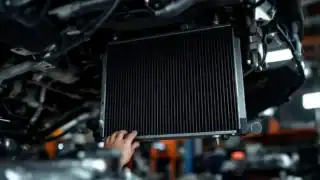
Your Mitsubishi’s radiator is the core of its cooling system. It sits at the front of your engine and does one critical job: dissipate heat from the coolant so your engine stays within safe operating temperature. When a radiator starts to fail, you’re not just looking at a hot engine on a summer drive—you’re risking expensive damage to the engine block, cylinder head, or internal components. Mitsubishi radiator service in Northmead keeps your cooling system healthy and prevents breakdowns that can leave you stranded or facing a repair bill in the thousands.

Signs Your Mitsubishi Radiator Needs Attention

The symptoms of a failing radiator often appear gradually, so catching them early saves time and money. Watch for these warning signs:

  • Your temperature gauge creeping toward the red zone, especially in traffic or uphill driving
  • Sweet-smelling coolant leaks under the car (often pooled near the front bumper area)
  • Visible corrosion, rust, or white mineral deposits on the radiator fins or nearby hoses
  • The radiator fan running constantly, even when the engine is cool
  • Coolant loss over time without visible leaks (internal leakage or evaporation)
  • Overheating on short trips or in stop-start traffic
  • Discoloured or milky coolant when you check the overflow bottle

Mitsubishi engines, across models like the Outlander, Lancer, Triton, and ASX, rely on precise cooling to maintain performance and reliability. If you notice any of these signs, a Mitsubishi radiator service inspection is worth doing before the problem cascades into something bigger.

What Our Mitsubishi Radiator Service Includes

A thorough radiator service goes well beyond just topping up coolant. We start by connecting diagnostic tools to read your Mitsubishi’s engine temperature sensors and cooling fan operation. This tells us whether the thermostat, water pump, and fan clutch are working as designed according to Mitsubishi’s OEM specifications.

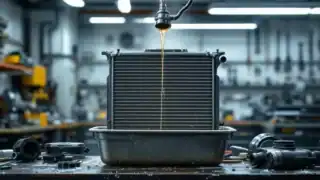
Next, we inspect the radiator itself. We look for corrosion on the core (the thin metal fins where heat transfer happens), check all inlet and outlet connections, test the radiator cap pressure seal, and examine the hoses for splits, bulging, or soft spots. We flush the entire cooling system to remove old coolant, sediment, and mineral buildup that reduces heat transfer efficiency.

If the radiator is leaking or damaged beyond repair, we source a quality replacement that matches Mitsubishi’s original specifications. Genuine Mitsubishi radiators or OEM-equivalent parts ensure proper fitment, coolant flow rate, and longevity. We also check your water pump, thermostat housing, heater hoses, and fan operation as part of the complete picture. A failing water pump or thermostat can mask itself as a radiator problem, so we don’t assume.

We refill the system with the correct coolant type for your Mitsubishi model. Using the wrong coolant can cause corrosion or poor heat transfer, so this detail matters. Once refilled, we bleed air from the system, run the engine to operating temperature, and verify that the cooling fan cycles correctly and the temperature gauge settles in the normal range.

What Affects Cost and Timeline for Radiator Service

The cost of Mitsubishi radiator service depends on several real-world factors. A flush and inspection with minor hose replacement is less involved than a full radiator replacement. If the radiator itself has failed, lead time for parts varies. Genuine Mitsubishi radiators may take longer than aftermarket equivalents, but the quality and warranty often justify the wait.

Your specific Mitsubishi model also plays a role. A Lancer radiator is more straightforward to access than a Triton’s, which sits deeper in the engine bay. If additional components like the heater core or air conditioning condenser need attention at the same time (something we’ll identify during inspection), that extends the timeline.

We always explain what we find before we start work. If a radiator replacement is needed, we’ll discuss whether you prefer a genuine Mitsubishi part with full warranty or a quality aftermarket equivalent. There’s no pressure. We present the options honestly and let you decide. Most radiator jobs take a day, but complex cooling system issues might take longer if we uncover a water pump or thermostat problem during the work.

Why Northmead Drivers Choose Us for Mitsubishi Cooling System Work

We’re a family-run workshop owned and operated by Sarkis, who has spent over a decade as a hands-on mechanic. We specialise in European vehicles, but we’ve built genuine expertise across Asian imports including Mitsubishi. We see Mitsubishi cooling system failures regularly, which means we know the common weak points and how to diagnose them accurately.

We don’t upsell or pressure you into repairs you don’t need. We explain what your radiator is doing, show you what we find during inspection, and give you honest advice about whether it needs flushing, repair, or replacement. Every repair is explained clearly before we start, so you’re never surprised by what’s happening under the bonnet.

We use quality parts with manufacturer warranty backing, and we stand behind the work we do. Honest, transparent advice at a fair price isn’t a slogan for us. It’s how we run the business. Our customers across Northmead and surrounding areas trust us because we deliver on that promise consistently.

Book Your Mitsubishi Radiator Service in Northmead Today

If you’ve noticed your temperature gauge creeping up, spotted coolant leaks, or just want peace of mind that your radiator is in good condition, get in touch. Call Us Now to speak with our team, or Book Your Free Inspection online to check your Mitsubishi’s cooling system properly. We’ll diagnose the issue, explain your options, and get you back on the road with a system you can trust.

Other Services

Whatever your needs we have you covered, see some similar services below or click "See All Services" to explore our full service offering.

Honest Mechanics Who Know European Cars

Star Mechanical Repairs is a family-run workshop in Northmead specialising in European vehicles. Owner Sarkis brings over a decade of hands-on experience and a simple promise: quality work, honest advice, at a fair price.

European Vehicle Specialists

Deep experience with BMW, Mercedes, Audi and VW means your car is in the right hands.

No Surprises, No Pressure

Bring your vehicle in and we’ll carry out a thorough inspection before any work begins.

Factory-Spec Parts Warranty

We source OEM-spec parts for Mitsubishi radiators and back every repair with our warranty.

Brands We Service

Whatever your needs chances are we have you covered, see other brands we service below or click "See All Brands" to see the full list of brands we service.

How Mitsubishi Radiator Service Works

From booking to collection, we handle your Mitsubishi's cooling system professionally and thoroughly.

Step 1

Book Your Free Inspection

Book your free inspection to diagnose any cooling system faults and get a clear picture of what's needed.

Step 2

Cooling System Diagnosis

We pressure test your radiator, check coolant condition, inspect hoses, and scan for Mitsubishi fault codes.

Step 3

Radiator Service & Repair

We flush or replace the radiator using OEM-specification parts and Mitsubishi procedures for full cooling capacity.

Step 4

Quality Check & Collection

We verify cooling function, top up fluids, and return your Mitsubishi running reliably with full confidence.

Rated 4.8 Stars by Our Customers

Verified 5★ Reviews

Quality Parts From Trusted Suppliers

We source quality genuine and reputable aftermarket parts from trusted suppliers, so every repair is backed by manufacturer warranty and built to last.

Book Your Free Inspection

Fill in the form and we'll be in touch to confirm your booking.

Booking Form
  • Vehicle Details
  • Confirm Vehicle
  • Services
  • Contact Details
No Pressure Advice
Work Explained First
Family-Run Workshop

Why Book With Us

Book Your Free Inspection
Drop Off Your Car
We Get to Work
Collect and Drive Away

Common Questions, Honest Answers

Browse the questions below for straightforward answers about our services. If you can't find what you're looking for, give us a call and we'll help.

A radiator service includes flushing out the old coolant, inspecting hoses and connections for wear or leaks, checking the radiator fins for damage, and refilling with fresh coolant to Mitsubishi specifications. We also test the thermostat and water pump function to make sure your cooling system is working properly. The whole process typically takes 1-2 hours depending on how much attention your system needs.

Most Mitsubishi models need a coolant flush every 60,000 to 100,000 kilometres or every 2 to 3 years, whichever comes first. Check your logbook or owner’s manual for the exact schedule for your model, as some newer Mitsubishis use extended-life coolants. If you notice your temperature gauge climbing or see leaks under the car, don’t wait for the scheduled service. Bring it in sooner so we can investigate.

Watch for an engine temperature gauge creeping into the red zone, sweet-smelling coolant leaks under the car, visible corrosion on the radiator, or steam coming from the engine bay. A soft hose that feels mushy when you touch it, or one that’s rock hard, also signals trouble. Overheating can damage your engine quickly, so if you spot any of these signs, get your Mitsubishi checked out as soon as possible to avoid costly repairs down the track.

Under Australian Consumer Law, as supported by ACCC guidance, you generally have the right to service your vehicle at an independent, qualified mechanic without automatically voiding your manufacturer warranty. This applies to Mitsubishi vehicles as well. However, warranty terms can vary, so we’d recommend checking your specific warranty document or contacting Mitsubishi directly if you’re concerned. We’re happy to discuss your coverage when you book in.

Cost depends on several factors: whether your radiator needs a straightforward flush or has damage requiring replacement, the type of coolant your model requires, and labour time. A standard flush is usually more affordable than replacing a failing radiator or burst hoses. Rather than guessing, bring your Mitsubishi in for a free inspection and we’ll give you an honest breakdown of what’s needed and what it’ll cost before we start any work.

A leaking radiator loses coolant over time, which means your engine runs hotter and hotter. Without enough coolant, your engine can overheat within minutes, potentially causing severe damage to the cylinder head, gasket, and internal components. Repair costs jump dramatically if you let it reach that point. A small leak caught early is straightforward to fix; a seized engine from overheating is not. Don’t put this one off.

We use quality coolant that meets Mitsubishi’s specifications. For many services, OEM-equivalent products that match the correct specification perform reliably and represent fair value without the premium dealer markup. We’ll always tell you upfront what coolant type your Mitsubishi needs and what we’re using, so you know exactly what goes into your vehicle. If you prefer genuine Mitsubishi coolant, we can source that for you as well.

A noisy radiator fan often signals an electrical or mechanical fault. Driving with a failing fan means your cooling system can’t regulate temperature effectively, especially in traffic or hot weather. It’s risky to ignore this. The fan itself is usually an inexpensive fix if caught early, but continuing to drive puts your engine at risk of overheating. Have us diagnose the issue to determine whether it’s safe to drive to the workshop or if you need a tow.

Radiator failure usually results from internal corrosion, mineral buildup in the coolant, physical damage from road debris, or a manufacturing defect. Hard water in old coolant accelerates corrosion of the metal core. Hoses that deteriorate can rupture and cause coolant loss. Age is also a factor; radiators typically last 8 to 10 years. Regular coolant flushes and inspections catch problems early before they turn into complete failures.

A stuck thermostat prevents coolant from circulating properly, so your engine either runs too hot or takes forever to warm up. You’ll notice the temperature gauge behaving strangely or sitting below normal, or your engine overheating even after a short drive. The fix is usually straightforward replacement. We check thermostat operation as part of a radiator service, so issues get caught during your inspection. Don’t ignore odd temperature gauge behaviour.

Topping up with the correct coolant type in an emergency is fine, but only as a temporary measure. If you’re constantly losing coolant, that’s a warning sign of a leak or other problem that needs professional diagnosis. Using the wrong coolant type or mixing incompatible types can damage your cooling system over time. When you need a top-up, bring your Mitsubishi in so we can find out where the coolant’s going and fix the underlying issue.

A top-up only replaces what’s been lost, leaving old, degraded coolant in the system. A flush removes all the old coolant and the contaminants, rust, and mineral deposits it’s accumulated, then refills with fresh coolant. Flushing restores your cooling system’s effectiveness and protects against corrosion and overheating. After thousands of kilometres, old coolant loses its protective properties, so a flush every 60,000 to 100,000 kilometres is far more thorough than just topping up.

Continue to site