A failing radiator in a European vehicle is a slow-motion crisis. Unlike a dramatic engine failure, cooling system trouble builds quietly—a small leak becomes a big overheat, and by the time the temperature gauge spikes, you’re looking at potential engine damage. Radiator replacement is one of those services that feels expensive until you realise the alternative: a seized engine or a warped cylinder head that costs ten times more to repair. If your BMW, Mercedes, Audi, or Volkswagen is showing cooling system warning signs, getting it sorted early in Northmead saves you money and keeps your European vehicle running safely.
Common Signs Your European Vehicle Needs a Radiator Replacement
European vehicles are engineered precisely, which means they communicate clearly when something is wrong. A failing radiator doesn’t always announce itself with a dramatic steam cloud—more often, you’ll notice these warning signs first:
- Temperature gauge climbing toward the red zone, especially in traffic or on hills
- Sweet-smelling coolant leaks under the car or on the driveway
- Visible corrosion, discolouration, or crusty deposits on the radiator itself
- White or pale blue coolant residue inside the expansion tank or around hose connections
- Engine overheating warning light on the dashboard
- Reduced heating in the cabin or weak airflow through the air-conditioning system
- Coolant loss requiring frequent top-ups between services
European vehicles, particularly higher-mileage models, are prone to radiator degradation because of the demanding cooling requirements of their turbocharged and naturally aspirated engines. Aluminium radiators, common in modern BMWs and Audis, corrode from the inside out when coolant becomes acidic or loses its anti-corrosion properties. Early detection matters—a slow leak caught during a routine inspection is far simpler than a complete radiator failure on the road.
What Happens During a European Vehicles Radiator Replacement
Radiator replacement isn’t just unbolting an old core and bolting in a new one. Our process begins with a full diagnostic to confirm the radiator is genuinely the problem and to assess whether the cooling system has suffered secondary damage.
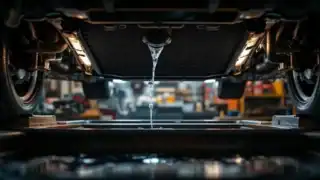
First, we perform a pressure test on the cooling system. This tells us whether the radiator is leaking, how severe the breach is, and whether other components (hoses, water pump, thermostat) are also compromised. For European vehicles, this step is critical because a failed radiator often indicates that coolant has been circulating at incorrect temperatures, which can mean the thermostat or water pump are next to fail.
Once we’ve confirmed radiator replacement is needed, we drain the existing coolant safely and remove hoses and mounting brackets. The specific process varies by model—a Mercedes-Benz radiator sits differently than an Audi, and access differs depending on engine placement and ancillary components. We’ve worked on enough European models to know where the tight spots are and how to avoid disturbing unrelated systems.
We then fit a quality replacement radiator, refill the system with OEM-specification coolant, and bleed air from the lines. European vehicles are finicky about air bubbles in the cooling system; trapped air reduces heat transfer and can trigger warning lights. We also inspect hoses and clamps while we’re in there—if they’re cracked, weeping, or corroded, we replace them rather than leaving you with a half-fixed cooling system.
Finally, we run the engine through its warm-up cycle, check that the temperature gauge settles in the normal range, and confirm the cooling fans engage and disengage correctly. We also scan the vehicle’s onboard diagnostics to clear any stored fault codes and verify the system is healthy.
What Affects Cost and Time for Radiator Replacement in Northmead
Several factors influence the scope and cost of European vehicles radiator replacement. The make and model matters—a radiator for a compact VW Golf is smaller, lighter, and faster to access than one in a full-size Mercedes. Engine type also plays a role; turbocharged engines often run hotter and demand more cooling capacity, so the radiator itself may be larger or more complex.
Parts availability is another variable. We stock quality radiators and cooling components for the most common European models, but if your vehicle is less common or requires a specialist part, lead time may extend the overall schedule. We always discuss this upfront rather than leaving you surprised.
The condition of surrounding components affects time and cost too. If we discover a failed water pump, stuck thermostat, or corroded hoses during the job, addressing those issues prevents a repeat visit a month later. We’ll explain what we’ve found and the implication of leaving it versus fixing it now.
We use quality parts with manufacturer warranty backing, so you’re not paying bargain-basement prices for radiators that fail again in three years. Our pricing reflects fair value for genuine expertise and parts that last—not budget corner-cutting.
Why Choose Star Mechanical Repairs for European Vehicle Radiator Work
Radiator replacement sounds straightforward until it isn’t. A generalist workshop might fit a radiator and send you on your way, but European vehicles demand precision in cooling system work. We specialise in European vehicles—BMW, Mercedes, Audi, and Volkswagen are our wheelhouse—so we understand the specific cooling demands and diagnostic protocols each brand uses.
Owner Sarkis has over a decade of hands-on mechanical experience and operates this family-run workshop with a commitment to honest, transparent advice and no pressure to upsell. We’ll show you the pressure test results, explain what we’ve found, and walk you through the options before any work begins. If a radiator replacement will genuinely solve your overheating problem, we’ll say so; if we think a thermostat is also failing, we’ll explain why and let you decide.
We stock quality parts with manufacturer warranty backing, so your replacement radiator is backed by confidence, not false economy. And because we handle European cooling systems regularly, we know the common failure patterns, the hoses that wear prematurely, and the thermostats that stick—knowledge that saves you from repeat breakdowns.
Next Steps
If your European vehicle is running hot, losing coolant, or showing warning lights, don’t wait for a full overheat. A radiator failure on the road is inconvenient; engine damage from overheating is expensive. Book Your Free Inspection with us here in Northmead and we’ll diagnose the issue clearly. Call Us Now to discuss your cooling system concerns, or book online for a time that suits you.