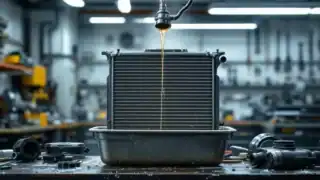
A Renault radiator replacement becomes necessary when your cooling system is no longer able to regulate engine temperature effectively. The radiator is the core component that dissipates heat from your engine coolant, preventing overheating. When a radiator starts to fail, it puts strain on the entire engine and can lead to costly damage if not addressed promptly. In Northmead, where Sydney traffic can mean extended periods of idling and stop-start driving, cooling system reliability is essential to avoid being stranded. Understanding the warning signs and knowing what the Renault radiator replacement process involves helps you make an informed decision about your vehicle’s repair.
When Does a Renault Radiator Need Replacement?
Several clear symptoms indicate your Renault’s radiator may be failing. The most obvious sign is coolant leaking underneath your car, often visible as a greenish, orange, or pink puddle where you’ve parked. You might notice the temperature gauge climbing higher than usual or see the engine temperature warning light illuminate on your dashboard. Some drivers report a sweet smell coming from the engine bay, which can indicate leaking coolant. If your car is overheating on short drives, not just on long highway stretches, the radiator is likely losing its ability to cool effectively.
Renault vehicles can also develop internal radiator corrosion over time, particularly if coolant hasn’t been changed at the intervals specified in your service schedule. Blockages inside the radiator reduce coolant flow without necessarily causing visible leaks, so the engine temperature can climb steadily even if you aren’t seeing fluid underneath the car. If you’ve ignored previous coolant changes or used incorrect coolant types, this damage accelerates.
- Temperature gauge rising into the red zone during normal driving
- Visible coolant leaks or puddles under the car
- Engine overheating warning light on the dashboard
- Coolant smell from the engine bay
- Loss of coolant between services without visible leaks (internal corrosion)
- White or rusty discolouration visible through the radiator fins
What Happens During a Renault Radiator Replacement
When you bring your Renault in for radiator replacement, we start by diagnosing the cooling system to confirm the radiator is the problem. Renault models require specific diagnostic steps because some cooling issues can stem from the thermostat, water pump, or electric cooling fans rather than the radiator itself. We pressure-test the system to identify whether the radiator is leaking or simply blocked, and we check the condition of your coolant to understand how the current radiator has been treated.
Once diagnosis confirms radiator replacement is needed, we drain your existing coolant carefully. Depending on your Renault model, the radiator sits in a position that requires removal of other components such as the bumper trim, fans, or hoses. We take time to remove these parts methodically so nothing else is damaged. The old radiator is unbolted and lifted out, and we inspect the mounting brackets and hose connections for corrosion or damage while we have clear access.
Your new radiator is installed with all OEM-specification hoses and clips, and we refill the system with the correct coolant type for your Renault model. Renault vehicles have specific coolant requirements; using the wrong type can cause internal corrosion and repeat failures. We fill the system, bleed any air from the cooling passages, and run the engine through several heating and cooling cycles to confirm the thermostat opens correctly and temperature stabilises. Before you drive away, we inspect all connections for leaks and verify the temperature gauge behaves normally.
Cost and Time Factors for Radiator Replacement in Northmead
The cost and timeframe for your Renault radiator replacement depend on several real factors. Your Renault model’s year and engine type affects how much labour is involved to access the radiator and whether additional components need removal. Newer models sometimes require more careful disassembly, while older models may have corroded brackets that complicate removal. Parts availability also plays a role; original Renault radiators may need to be ordered, or we can supply quality equivalent radiators that carry manufacturer warranty and meet OEM specifications at fair value.
Whether you choose an OEM Renault radiator or a quality equivalent aftermarket part makes a difference to cost, though both are reliable options. We discuss this choice with you before ordering, so you know exactly what you’re getting and why. Labour time typically runs longer than a simple hose replacement because of the access work required, but we schedule efficiently so you’re not left without your car unnecessarily.
Why Star Mechanical Repairs for Your Renault Radiator Replacement
We specialise in European vehicles, including Renault, and we understand the specific cooling system designs these cars use. Owner Sarkis has spent over a decade in the trade working on European vehicles, so your Renault’s radiator replacement is straightforward work for us. We don’t treat it as a generic cooling system job; we know which Renault models are prone to coolant leaks, which hoses wear first, and which parts are worth investing in.
We’re transparent about what your car needs and why. Before we order a radiator or start removal, we explain our diagnosis clearly so you understand what’s failed and what the replacement involves. We use quality parts with manufacturer warranty and never push you toward unnecessary work. Your radiator replacement is explained every step of the way, and you’ll know the total cost before we start.
With over 115 five-star reviews from customers across Sydney, our reputation for honest advice and quality workmanship speaks for itself. We treat every vehicle like it belongs to a family member, and we take the same care with your Renault’s cooling system that we’d take with our own cars.
Book Your Renault Radiator Replacement in Northmead Today
If your Renault is showing cooling system symptoms, don’t delay. Overheating damage spreads quickly and can leave you stranded on the road. Call Us Now to discuss your symptoms, or Book Your Free Inspection so we can diagnose the issue accurately and get you back on the road safely.