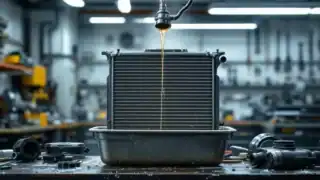
Your Isuzu’s radiator is the core of its cooling system. It sits at the front of the engine bay and does one critical job: dissipate heat from the coolant so your engine stays at the right temperature. When a radiator starts to fail, your Isuzu runs hot. You’ll notice the temperature gauge creeping toward red, steam from under the bonnet, or puddles of coolant under the vehicle. An Isuzu radiator replacement in Northmead is a straightforward repair when caught early, but ignoring warning signs can lead to engine damage that costs far more to fix.
Signs Your Isuzu Radiator Needs Replacement
Radiators don’t always fail suddenly. Most show warning signs over time. If you’re driving an Isuzu, watch for these common symptoms:
- Temperature gauge sitting higher than normal, even in cool weather
- Sweet-smelling coolant leaks under the vehicle or pooling in the driveway
- White steam or mist visible from under the bonnet, especially after driving
- Coolant loss without obvious leaks elsewhere
- Engine overheating on short drives or stop-start traffic
- Discoloured or rusty coolant in the radiator itself
- Radiator fans running constantly, even at low speeds
Isuzu radiators are built tough, but they’re exposed to constant heat cycles. Corrosion from old coolant, clogged fins from road debris, or internal sediment buildup gradually reduces cooling efficiency. Some Isuzu models are more prone to radiator issues than others, especially if the original coolant has been left in longer than recommended. If you’ve noticed any of these signs in your Isuzu, a proper inspection can tell you whether repair or replacement is needed.
What Happens During an Isuzu Radiator Replacement
When you bring your Isuzu to us in Northmead, we don’t just swap out the radiator and hope for the best. We diagnose the cooling system thoroughly first.
We start by checking your coolant condition and colour. Fresh Isuzu coolant should be bright green, orange, or pink depending on the specification. Discoloured or murky fluid tells us the coolant has broken down and may have caused corrosion inside the radiator. We’ll also pressure-test the existing radiator to confirm whether it’s truly failed or whether the problem lies elsewhere in the cooling circuit.
Once we’ve confirmed a radiator replacement is needed, we drain the old coolant safely, remove hoses and mounting brackets, and lift out the failed unit. Isuzu radiators vary by model, so we match the replacement to your exact vehicle specification. We fit either genuine Isuzu radiators or quality equivalent parts that meet OEM standards and come with manufacturer warranty backing.
Before refilling the system, we flush the cooling passages to remove sediment and corrosion buildup. This step matters because a new radiator in a contaminated system will fail prematurely. We then refill with fresh, correctly specified Isuzu coolant, bleed air from the system, and run the engine to confirm the temperature gauge settles in the normal range.
We also inspect the radiator fan, thermostat, and coolant hoses while we’re in the cooling system. If any of these components show wear, we’ll flag it before work begins so you know exactly what your Isuzu needs.
What Affects Cost and Timeline for Your Radiator Replacement
Several factors influence how much time and cost are involved in an Isuzu radiator replacement. The radiator itself is a fixed component, but labour time varies depending on your model. Some Isuzu vehicles have the radiator in an easily accessible position; others require removal of air intake ducts, fans, or other components to get to it safely.
Parts availability also plays a role. Genuine Isuzu radiators are usually in stock or arrive quickly from our suppliers. If you choose an aftermarket equivalent, availability is typically no issue either. The quality of the replacement part matters to longevity. A cheaper radiator might fail again in two years; a quality equivalent backed by manufacturer warranty protects your investment.
We also consider whether flushing and coolant replacement are included. A basic radiator swap with fresh coolant costs less than a full system flush, but a flush extends the life of your new radiator. If internal corrosion is present, we’ll recommend the flush as part of the repair so you’re not replacing the radiator again in 12 months.
Timing depends on whether your Isuzu needs additional work. A straightforward radiator replacement typically takes several hours. If the thermostat needs replacing or we uncover hose damage during inspection, we can complete that work while the system is apart, saving you a return visit.
Why Choose Star Mechanical Repairs for Your Isuzu in Northmead
We’re a family-run workshop with over a decade of hands-on mechanical experience. Owner Sarkis has been a mechanic since his mid-teens and brings genuine expertise to every job, especially European vehicles and the Japanese makes that share similar engineering principles. We approach Isuzu repairs with the same attention to detail.
Our promise is simple: quality work, honest advice, at a fair price. When you bring your Isuzu in, we’ll explain exactly what we find and what needs to happen next. We don’t pressure you into repairs you don’t need, and we don’t cut corners to shave dollars. If a radiator replacement is necessary, we’ll walk you through your options for parts and pricing before we start work.
We fit quality parts backed by manufacturer warranty. That means you’re not guessing whether a cheap replacement will last. Every repair is explained clearly before and after, so you understand what was wrong, what we fixed, and why. Our customers have trusted us with over 115 five-star reviews, reflecting our commitment to fair pricing and transparent communication on Isuzu cooling system work and all other repairs.
Book Your Isuzu Radiator Replacement Today
If your Isuzu is running hot or you’ve spotted coolant leaks, don’t wait for a breakdown. Call Us Now to discuss your cooling system concerns, or Book Your Free Inspection online. We’ll diagnose the problem and give you a clear picture of what your Isuzu needs to stay reliable.