A failing radiator can turn a routine drive into a stressful breakdown, especially when you’re relying on your Hyundai for daily commutes. Hyundai radiator replacement is one of those repairs that often comes as a surprise to owners, but understanding the warning signs and what the process involves helps you make an informed decision before your cooling system fails completely. Your radiator is critical to engine health, and catching problems early prevents far costlier damage down the track.
What does a Hyundai radiator do and why does it fail?
Your radiator is the core of your vehicle’s cooling system. It circulates coolant through your engine to absorb heat, then releases that heat through its fins as air passes through. Over time, radiators accumulate internal corrosion, sediment, and scale from coolant breakdown. Hyundai radiators are durable, but mineral deposits in Australian water supplies can accelerate degradation, especially if coolant hasn’t been changed at the intervals recommended in your logbook. External damage from road debris or minor collisions also causes leaks that make radiator replacement necessary.
Warning signs your Hyundai radiator needs replacement
Catching radiator trouble early prevents your engine from overheating, which causes far more expensive damage. Watch for these symptoms:
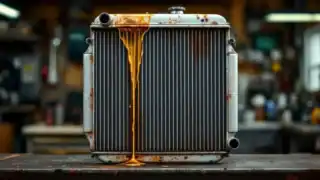
- Coolant leaks under your car, usually a bright green, orange, or pink fluid
- Temperature gauge climbing towards the hot zone, especially in traffic or on warm days
- Sweet smell coming from under the bonnet
- White steam or mist rising from the engine bay
- Coolant loss between services with no visible external leak (internal corrosion)
- Discoloured coolant that looks rusty or thick instead of clear
If you notice any of these, have the radiator inspected promptly. Continuing to drive on an overheating engine risks head gasket failure or engine warping, repairs that cost significantly more than a straightforward radiator replacement.
How we diagnose and replace your Hyundai radiator
Our process starts with a hands-on inspection. We check coolant condition, test the radiator cap pressure, and look for visible leaks or damage. For many Hyundais, we’ll use a pressure test to confirm whether the radiator is holding coolant or losing it internally. This tells us whether repair is possible or replacement is the right call.
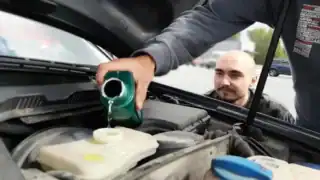
Once replacement is needed, we drain the existing coolant safely and remove the radiator. Depending on your Hyundai model, this involves disconnecting hoses, removing mounting brackets, and sometimes taking off fan assemblies for access. We inspect the cooling fan operation at the same time, since a faulty fan often works alongside a failing radiator to cause overheating.
We fit a quality replacement radiator matched to your specific Hyundai model, refill with the correct coolant type for your vehicle, and bleed air from the system. Hyundai uses different coolant specifications across their range, so using the right type matters for long-term cooling system health and corrosion protection. We always test the system under load before you leave to confirm the temperature gauge is stable and there are no leaks.
Cost and time factors for radiator replacement
Several variables affect both cost and turnaround time. The radiator part itself varies in price depending on your Hyundai model and whether you choose an OEM Hyundai radiator or a quality aftermarket equivalent. We stock quality parts with manufacturer warranty backing, giving you reliable performance without unnecessary markup.
Access difficulty plays a role too. Newer Hyundai models sometimes require removal of trim or air intake components to reach the radiator, which adds labour time. We’ll explain what your specific model needs before work begins so you understand why the job takes as long as it does.
Coolant type, hose condition, and whether the fan needs replacement or cleaning also factor into the final scope. If your cooling fan isn’t spinning freely or your hoses show cracks, we’ll let you know upfront rather than hiding surprise costs later. That transparency is how we’ve built trust with families and tradespeople across the Northmead area.
Why Hyundai owners in Northmead choose Star Mechanical Repairs for cooling system work
Star Mechanical Repairs is a family-run workshop where the owner, Sarkis, has over a decade of hands-on mechanical experience. We don’t operate on a chain-store model where technicians are pressured to sell parts you don’t need. Every repair is explained clearly before we start, and you’ll know exactly what’s happening with your radiator and why.
We specialise in European vehicles, but we’ve developed genuine expertise across Japanese makes including Hyundai. We understand the quirks of different model years, common failure patterns, and the correct service procedures for your vehicle. When we fit parts, we use quality components with backing, not bargain-bin alternatives that fail early. Our 4.8-star rating from over 115 five-star reviews reflects the care we take with every job.
Radiator replacement is a job we handle regularly. We know the work well, operate efficiently, and keep you informed throughout. You won’t feel pressured, rushed, or upsold. You’ll feel looked after, which is how we’ve operated for years in the local community.
Next steps for your Hyundai radiator
If you’re seeing coolant leaks, temperature warning signs, or steam from your engine, don’t wait for a full breakdown. Call Us Now or Book Your Free Inspection online. We’ll diagnose what’s actually happening with your cooling system and explain your options in plain language. If radiator replacement is needed, we’ll walk you through the process, parts options, and what to expect. Star Mechanical Repairs is located in Northmead and ready to get your Hyundai running cool again.