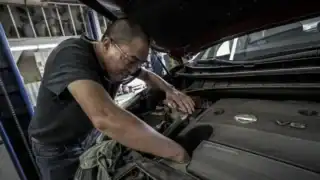
Land Rover car repair in Northmead requires a mechanic who understands the unique demands of these vehicles. Range Rovers, Discovery models, and Freelander platforms are built for capability and comfort, but they’re also complex machines with sophisticated electronics, transmission systems, and suspension geometry that differ significantly from mainstream European vehicles. Whether your Land Rover needs routine servicing, diagnostic work, or a major repair, having access to a workshop with genuine experience working on these vehicles makes a real difference to the outcome and your peace of mind.
What Makes Land Rover Vehicles Different to Service and Repair
Land Rovers are engineered for durability and off-road capability, which means they demand specialised knowledge during servicing and repair. The engines, transmissions, and drivetrain systems follow Land Rover’s own specifications and service intervals. Modern Land Rover models also incorporate advanced driver assistance systems, adaptive dynamics, and terrain response management that require proper diagnostic scanning to troubleshoot accurately. A generalist workshop might identify a fault code, but without Land Rover-specific diagnostic knowledge, they can miss the root cause and recommend unnecessary parts replacement.
Transmission issues are common in Land Rover models, particularly in the ZF automatic and manual gearboxes used across the range. Brake systems on heavier models like the Range Rover Sport also wear differently than smaller vehicles, and suspension components are engineered to handle both road driving and off-road terrain. When something goes wrong, you need a mechanic who has worked on these specific systems before and knows how Land Rover designed them to function.
How We Diagnose and Repair Land Rover Issues
Our approach to Land Rover car repair starts with proper diagnosis. We use diagnostic equipment and procedures specific to Land Rover vehicles, not generic scanning tools that can miss model-specific faults. This matters because Land Rover systems often communicate differently than other European brands, and a standard fault code reader won’t always tell the full story.
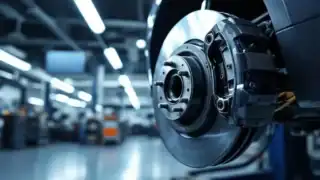
When you bring your Land Rover in, we run through a thorough inspection relevant to your service need. For transmission concerns, we check fluid condition, scan for electrical faults, test shifting response, and inspect physical components where accessible. For brake work, we measure pad thickness, assess rotor wear and runout, and examine the brake fluid for signs of moisture contamination, which is particularly important on models that spend time in wet conditions. For suspension and steering issues, we inspect joints, bushes, and dampers while the vehicle is on a hoist, and we verify alignment using proper equipment.
Every step is explained before we begin work. We tell you what we’ve found, why it matters, and what options exist for fixing it. If a part can be safely left alone for another service interval, we’ll say so. We don’t push unnecessary repairs, and we source parts carefully to make sure they meet Land Rover’s quality standards.
Parts, Fluids, and Service Schedules for Your Land Rover
Land Rover vehicles have specific fluid requirements and parts compatibility. Automatic transmission fluid, engine oil grades, coolant types, and brake fluids must meet Land Rover’s engineering standards. We source parts that match these specifications whether you choose genuine OEM components or quality aftermarket alternatives that carry manufacturer warranty.
Logbook servicing for Land Rover models follows the factory schedule, which varies depending on your model year and engine type. Some Land Rovers use fixed intervals every 10,000 km or annually, while others employ condition-based servicing that monitors engine wear and adjusts intervals accordingly. We follow the schedule your vehicle came with and keep your service history documented, which matters if you ever need to demonstrate warranty compliance or prove regular maintenance if you sell the vehicle.
What Affects the Cost and Time for Your Land Rover Repair
The cost and time required for Land Rover car repair depends on several real factors. The severity of the issue is the first: a simple fluid top-up takes minutes, while a transmission rebuild requires days and involves stripping and reassembling multiple components. Parts availability also plays a role. Genuine OEM parts may take longer to arrive than common aftermarket components, though we can often access them faster than you’d expect.
The model and age of your Land Rover also matter. Older Defender models have simpler systems with fewer electronic components, while modern Range Rovers involve more complex diagnostics and software-based systems. Some repairs require the vehicle to remain with us while parts are sourced or work is completed in sequence; others can be done quickly. We’ll give you an honest timeframe once we’ve inspected your vehicle.
Why Star Mechanical Repairs Specialises in Land Rover Service
We’re an owner-operated, family-run workshop in Northmead with over a decade of hands-on mechanical experience. Our specialisation in European vehicles means we’ve worked on Land Rovers alongside BMWs, Mercedes, Audis, and Volkswagens, all of which demand the same attention to detail and diagnostic accuracy. We’ve built our reputation on honest advice and transparent pricing, never pushing customers into work they don’t need.
Our experience with transmission systems, brake components, and complex electrical diagnostics directly applies to Land Rover repair. We use quality parts backed by manufacturer warranty, and we explain every repair clearly before we start work. You’ll know exactly what’s needed and why, with no surprises when you collect your vehicle. We’re known in the Northmead area for getting it right the first time, without pressure or upselling.
Ready to get your Land Rover back to its best? Call us now to discuss your Land Rover’s needs, or book your free inspection online today.