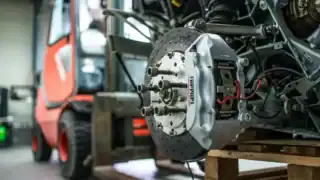
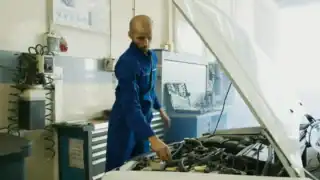
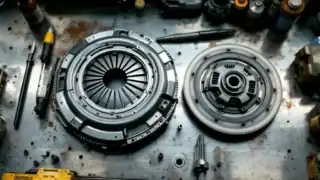
Volkswagen car repair in Northmead covers everything from routine maintenance to complex engine and transmission work on VW models like the Golf, Polo, Passat, and Tiguan. Whether your Volkswagen needs scheduled servicing, diagnostic work, or repair of a specific system, understanding what’s involved helps you make informed decisions about your vehicle’s health and budget. We’ve spent over a decade working on European vehicles, and Volkswagens are a significant part of our day-to-day work. This experience means we know the quirks, common failure points, and genuine service needs that are specific to the Volkswagen lineup.
Common Warning Signs Your Volkswagen Needs Repair
Volkswagen vehicles communicate problems through warning lights, sounds, and changes in how they drive. Some signs are straightforward; others require diagnosis to identify the root cause. Here are the issues we see most frequently:
- Check engine light or diagnostic warning lights on the dashboard
- Rough idle, hesitation during acceleration, or loss of power
- Difficulty starting, especially in cold weather
- Brake warning lights or reduced braking feel
- Unusual noises from the engine, suspension, or undercarriage
- Leaks (oil, coolant, transmission fluid) under the vehicle
- Transmission shuddering, slipping gears, or delayed shifts
- Steering stiffness or poor handling response
- Overheating or temperature gauge rising above normal
If you notice any of these symptoms, a proper diagnostic inspection pinpoints what’s actually wrong rather than guessing or replacing parts unnecessarily. Many Volkswagen owners worry they’ll be overcharged or told they need expensive repairs they don’t actually need. That’s exactly why we inspect first, explain what we find, and only recommend what your car genuinely needs.
How Volkswagen Car Repair Works at Our Northmead Workshop
Our approach to Volkswagen auto repair starts with understanding the specific model and engine type you’re driving. VW’s engineering is precise, and the diagnostic procedures differ between petrol engines, diesel engines, and turbocharged variants. We use manufacturer-aligned diagnostic equipment to read your vehicle’s systems accurately, not just generic scanning tools that miss VW-specific fault codes.
When you bring your Volkswagen in, here’s what happens:
Initial inspection: We listen to your description of the problem, note any warning lights, and perform a visual inspection of the relevant systems. This rules out simple issues like loose hoses, worn belts, or obvious leaks before we dive into diagnostics.
Diagnostic scanning: For engine, transmission, or electrical concerns, we connect to your VW’s onboard diagnostic system. This retrieves stored fault codes and live data that tell us exactly which component or sensor is misfiring. A check engine light might point to an oxygen sensor, a spark plug issue, or something in the emissions system. The data shows us which.
System-specific testing: Once we’ve narrowed it down, we test the affected system further. For brake issues, we inspect pad thickness, rotor condition, and fluid quality. For transmission concerns, we check fluid level and condition, listen for noise patterns, and check transmission cooler operation. For engine problems, we may perform a compression test, fuel pressure check, or ignition system inspection depending on the symptoms.
Clear explanation: Before any work begins, we explain what we’ve found, what it means for your vehicle, and what repair options exist. Some issues need fixing immediately for safety or to prevent further damage. Others can be monitored and addressed at your convenience. You’ll never be pressured into unnecessary work or left wondering why a repair is needed.
Repair using quality parts: We use OEM-equivalent parts that meet Volkswagen specifications. This means they’re built to the standard your car was designed for, whether we’re replacing brake components, suspension parts, filters, belts, or engine sensors. Quality parts come with a manufacturer warranty, so you’re protected if something fails prematurely.
What Affects Cost and Repair Time for Volkswagen Auto Repair
Volkswagen car repair costs depend on several factors that are worth understanding upfront. The complexity of the repair is the biggest variable. A spark plug change takes an hour; a timing chain replacement on a 2.0 TSI engine takes significantly longer because it requires removing the front of the engine. Parts availability also matters. Most common VW parts are readily available in Australia, but some components for older or less common models may need to be ordered, extending turnaround time.
The severity of the problem affects both cost and timeline. A failed water pump that’s caught before it causes overheating is one job. If it’s allowed to fail completely and cause engine temperature spikes, you might be looking at additional damage to gaskets, seals, or internal engine components. This is why addressing warning signs early is both safer and more cost-effective.
Labour time varies by model and engine type. A Golf hatchback is typically easier to work on than a Tiguan SUV simply because of engine bay layout and access to components. Turbocharged engines have more sensors and complexity than naturally aspirated versions, which can increase diagnostic time.
We’ll always give you an honest estimate based on what we’ve found during inspection. If unexpected damage is discovered during repair, we’ll contact you before proceeding and explain your options.
Why Volkswagen Owners in Northmead Choose Our Workshop
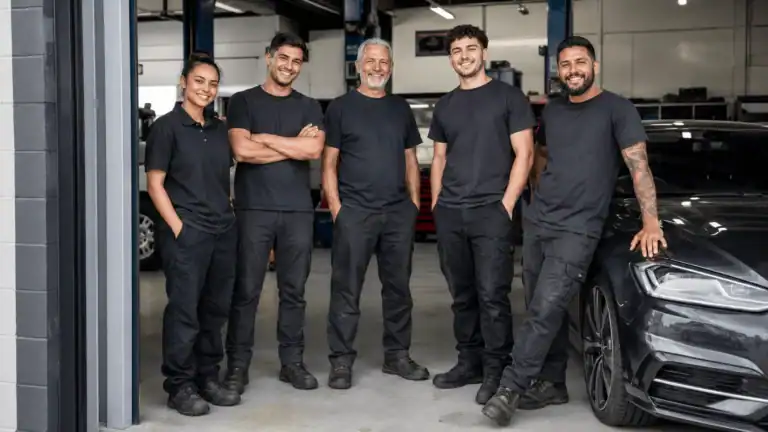
We’re a family-run workshop run by Sarkis, who’s been a mechanic since he was 16 and specialises in European vehicles. That background gives us hands-on experience with Volkswagen’s design philosophy, common failure points, and the best repair methods. We’re not a franchise, so we’re not pushing a corporate menu of services. We’re operating our own business based on doing quality work, giving honest advice, and charging fair prices.
European vehicle specialists understand that a VW isn’t the same as a Japanese sedan or an Australian-market truck. Volkswagen systems, especially in newer models, respond to specialist knowledge. We regularly service and repair timing chains, brake systems, transmissions, and electrical faults on Volkswagens. We also handle logbook servicing, which means your car’s maintenance records stay complete and your manufacturer warranty stays protected. Hybrid Volkswagen models are also within our scope, so whether you’re driving a traditional petrol VW or a newer hybrid variant, we can service and repair it properly.
Transparency is built into how we work. Before we start, you’ll know what’s being done and why. During the repair, if we find something unexpected, you’ll be informed and consulted. When your car’s ready, you’ll understand what was fixed and what it means for your vehicle’s future. Our customers trust us because we treat their Volkswagen the way we’d treat our own.
Book Your Volkswagen Repair Inspection Today
If your Volkswagen is showing warning signs, running rough, or you’re simply due for servicing, the best first step is a thorough inspection. Call Us Now to discuss your situation with our team, or Book Your Free Inspection online to schedule a time that works for you. We’re here to answer your questions and help you keep your Volkswagen running reliably in Northmead and the surrounding areas.