A Volkswagen driveshaft repair addresses one of the most critical components linking your engine’s power to the wheels. Your driveshaft transmits torque from the transmission through to the front or rear axle, depending on your Volkswagen’s drivetrain. When it fails, you lose drive entirely or experience dangerous vibration and loss of control. In Northmead and across the Parramatta corridor, we see driveshaft issues regularly in Volkswagen models ranging from Golf and Passat to Transporter vans. Understanding what causes driveshaft damage and how to spot early warning signs can save you from a complete breakdown and a costly roadside callout.
Signs Your Volkswagen Driveshaft Needs Attention
A failing driveshaft doesn’t always fail suddenly. Most drivers notice warning signs weeks or months before complete failure. Listen for these indicators:
- Vibration through the cabin or steering wheel, especially under acceleration or at steady highway speeds
- Clunking or banging noise from underneath the vehicle when shifting into gear or accelerating hard
- Loss of drive or a hesitation when pulling away from a standstill
- Visible damage to the rubber CV boots (the accordion-like sleeves covering the joints)
- Grease splatter on the inside of your wheel or tyre
- Excessive play or movement when you grip the driveshaft by hand (a quick check while safely parked)
These symptoms indicate wear in the universal joints, CV joints, or the shaft itself. Left unchecked, a damaged driveshaft can bind suddenly during a turn or under load, potentially locking a wheel and causing loss of steering control. This is a safety issue that demands professional inspection as soon as symptoms appear.
How We Diagnose and Repair Volkswagen Driveshaft Problems
Volkswagen driveshaft diagnosis begins with a test drive. We listen for vibration patterns, feel for hesitation, and note when symptoms occur. This tells us whether the issue is a worn CV joint, a damaged shaft, or bearing wear. Back in the workshop, we lift the vehicle and perform a thorough visual inspection of the entire driveshaft assembly, checking rubber boots for splits, looking for corrosion or cracks in the shaft, and testing joint movement by hand.
For Volkswagen models, we pay particular attention to the front CV joint assemblies on front-wheel-drive vehicles like the Golf and Passat, as these joints handle both torque and directional changes and wear faster than rear-wheel-drive components. Many Volkswagens also feature a two-piece driveshaft design with a centre bearing, which adds a common failure point we specifically check. We measure runout and listen for play in the bearings using diagnostic tools that measure shaft deviation and joint resistance.
What We Include in a Driveshaft Repair
Depending on what our inspection finds, repair may mean replacing a CV boot and regreasing the joint (if caught early), replacing one or both CV joint assemblies, replacing the entire driveshaft, or addressing a worn centre bearing. We use quality parts with manufacturer warranty backing your repair. For Volkswagen vehicles, we align our parts specifications to OEM standards so you get the exact performance and durability your car was engineered for.
Every repair is explained to you before we begin. You’ll understand what failed, why it failed, and what the repair involves. We don’t upsell or push unnecessary work. If a boot replacement will solve the issue, we’ll tell you that. If the shaft itself is damaged and replacement is the only reliable option, we’ll explain why and discuss your parts options.
What Affects the Cost and Timeline for Your Driveshaft Repair
Several factors influence both the cost and the time your repair takes. A simple CV boot replacement and regreasing takes a few hours. Replacing one CV joint assembly typically takes half a day. A full driveshaft replacement, including removal of the transmission or axle assembly depending on your Volkswagen’s configuration, can take a full day or longer.
Parts availability matters too. If we have the correct assembly in stock, your repair is faster. Volkswagen OEM driveshaft parts are generally available quickly through our suppliers, but centre bearings or specialist CV assemblies for older models may need to be ordered. We’ll give you a clear picture of what’s needed and how long it’ll take before work begins, so you can plan around vehicle downtime in Northmead.
The choice between genuine Volkswagen parts and quality equivalent parts also affects cost. Both come with warranty backing, but OEM parts carry the Volkswagen specification guarantee. We discuss this choice with you so you can decide what suits your situation and budget.
Why Star Mechanical Repairs for Your Volkswagen Driveshaft Repair
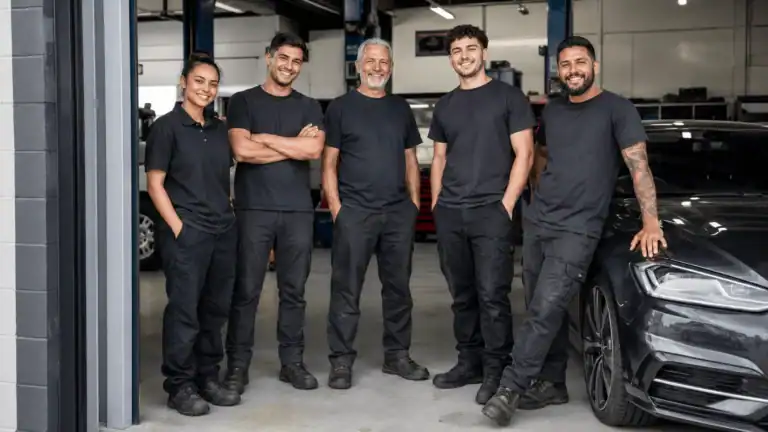
We’re a family-run, owner-operated workshop with over a decade of hands-on mechanical experience. Sarkis and the team specialise in European vehicles, and Volkswagen driveshaft repair is part of our core work. We see these failures regularly, we understand Volkswagen engineering, and we know how to diagnose and fix them right the first time.
You won’t feel pressured or upsold. We explain what your car needs, show you your options, and let you decide. Our reputation rests on honest advice and quality work at a fair price. We don’t charge dealership rates or operate on a chain-store sales model. Every customer gets the same transparent, straightforward service.
We use quality parts backed by manufacturer warranty, and we stand behind every repair we do. If you’re uncertain about driveshaft symptoms or want a second opinion on a quote from elsewhere, contact us. We’re happy to listen and give you straight advice with no pressure.
Book Your Driveshaft Inspection Today
Driveshaft problems won’t resolve on their own, and driving with a failing driveshaft risks your safety and costs more to repair the longer you wait. If you’ve noticed vibration, clunking, or loss of drive, book your free inspection with us. Call Us Now or Book Your Free Inspection online to get your Volkswagen checked by someone who knows these vehicles inside and out.