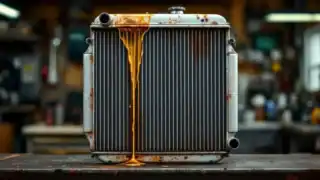
Your Suzuki’s radiator sits at the heart of your cooling system, keeping your engine at the right temperature whether you’re in stop-start traffic or cruising the Parramatta corridor. A Suzuki radiator service checks the condition of this core component, tests your coolant, and replaces or repairs parts that are showing wear before they fail and leave you stranded. Most Suzuki owners don’t think about their radiator until something goes wrong, but regular inspection and maintenance prevents costly engine damage and keeps your vehicle reliable. Here in Northmead, we see radiator issues regularly across Swift, Vitara, and Jimny models, and early attention makes all the difference.
Warning Signs Your Suzuki Radiator Needs Attention
Your radiator sends clear signals when it’s struggling. Watch for these common symptoms that bring Suzuki owners into our workshop:
- Temperature gauge creeping into the hot zone, especially in traffic or on warm days
- Sweet-smelling coolant leaks under the car or in your engine bay
- White steam rising from under the bonnet after driving
- Visible rust, corrosion, or discolouration on the radiator core or tank
- Soft spots or bulging in the radiator hoses, or hoses that feel mushy rather than firm
- Coolant loss over time without a visible puddle beneath the car (internal leak)
- Engine running hotter than normal, triggering a warning light on your dashboard
Don’t ignore these signs. An overheating engine can warp cylinder heads, crack engine blocks, and turn a simple radiator repair into a thousands-of-dollars engine rebuild. If your temperature gauge is climbing or you spot a leak, get it checked as soon as you can.
What Happens During a Suzuki Radiator Service
Our radiator service process is thorough and transparent. We start by inspecting the radiator itself, looking for corrosion, leaks, blocked passages, and damage to the fins. We check all coolant hoses for cracks, bulges, and deterioration, and test the radiator cap to make sure it’s holding pressure correctly.
Next, we assess your coolant condition. Over time, Suzuki coolant breaks down and loses its ability to protect against rust, corrosion, and freezing. We measure the coolant’s strength with a refractometer to see whether it still meets Suzuki’s OEM specifications. If it’s degraded or contaminated, we recommend a coolant flush and refill with the correct Suzuki-spec coolant.
We also test your thermostat, water pump, and cooling fan operation. These components work together with the radiator to regulate engine temperature. A faulty thermostat or weak water pump can make your radiator work harder than it should, and a fan that won’t engage can cause overheating in slow traffic. We check all of these as part of the service.
If your Suzuki has a radiator leak that can’t be sealed, we’ll discuss repair options with you. Some leaks can be fixed with a quality replacement hose or radiator cap. Others require radiator repair or replacement. We only recommend what your vehicle actually needs, and we explain every option and its cost before we start work.
Suzuki-Specific Cooling System Considerations
Suzuki vehicles tend to be straightforward when it comes to cooling systems, which is one reason Suzuki owners find them reliable over the long term. However, Suzuki models like the Swift, Vitara, and Jimny use a variety of radiator designs depending on engine type and year. Some older Suzuki models are more prone to corrosion in the radiator core if coolant isn’t changed on schedule. Others have plastic tanks that can become brittle and crack after years of heat cycling.
We’re familiar with Suzuki cooling systems across these models and can recommend the right coolant type and service interval for yours. When we replace a radiator or flush your system, we use quality parts that match Suzuki’s original specifications, giving you the confidence that your cooling system will perform as it should.
What Affects Cost and Repair Time
The cost of your Suzuki radiator service depends on what needs doing. A routine inspection and coolant top-up takes an hour and costs far less than a full radiator replacement. A coolant flush usually takes one to two hours. If a radiator needs replacing, time depends on how easy it is to access in your model – some Suzuki radiators come out quickly, others require removing other components first.
Parts availability is rarely an issue with Suzuki vehicles, but radiator quality varies. We stock quality replacement radiators and hoses with manufacturer warranty, which means your parts are backed by more than our word alone. We’re always honest about whether a repair or replacement is the right call for your budget and how long your Suzuki needs to last.
Why Star Mechanical Repairs for Your Suzuki Radiator Service
Owner-operated and family-run, we’ve built our reputation on doing the work right the first time and explaining everything clearly before we start. Sarkis has over a decade of hands-on mechanical experience and sees Suzuki cooling issues regularly. We don’t upsell or pressure you into work you don’t need – we tell you what your car needs, what it costs, and what happens if you wait.
Every Suzuki radiator repair comes with quality parts backed by warranty, and every repair is explained in plain language so you understand exactly what we’ve done and why. We’re in Northmead and serve the wider Parramatta corridor, and we’re here to keep your Suzuki reliable.
Next Steps
If you’ve noticed any cooling system symptoms or your Suzuki is due for a coolant refresh, Call Us Now or Book Your Free Inspection online. We’ll get your radiator assessed and give you a clear picture of what’s needed to keep your engine healthy.