Volkswagen brake replacement is one of the most important safety services your vehicle will ever need. Whether you’re driving a Golf, Passat, Polo, or Tiguan around Northmead, your brakes are the single most critical system keeping you and your passengers safe. When brake pads wear down or rotors become damaged, the stopping power your VW relies on diminishes quickly. We inspect Volkswagen brakes regularly and understand exactly how VW’s brake systems are engineered, from the pressure distribution valves to the specific friction material specs that Volkswagen recommends. Catching brake wear early and addressing it promptly is the difference between smooth, confident stops and emergency situations on busy roads.
When Do You Need Volkswagen Brake Replacement?
Most drivers first notice brake problems through warning signs that demand immediate attention. Listen for these symptoms:
- A high-pitched squealing noise when braking, especially when the car is cold or lightly braking
- A grinding sound that suggests pad material has worn completely away and metal is now touching metal
- A soft or spongy brake pedal that requires harder pressure to stop the vehicle
- Brake fluid leaking under the car, visible as a dark liquid near the wheels
- The brake warning light illuminated on your dashboard
- Longer stopping distances or the car pulling to one side when braking
- A vibration or pulsing felt through the brake pedal, usually indicating warped rotors
Volkswagen vehicles typically need brake pad replacement every 30,000 to 70,000 kilometres, depending on your driving style and road conditions. Harder braking in city traffic or mountainous terrain wears pads faster than highway driving. Rotors last longer but eventually need resurfacing or replacement if they become scored or warped. We check your brakes during every service and will let you know exactly what’s needed before we start any work.
What Volkswagen Brake Replacement Involves
A proper Volkswagen brake replacement isn’t just swapping out pads. We follow VW’s diagnostic protocol and inspect the entire brake system to understand what’s actually worn and why.
Our Inspection Process
We remove the wheels and measure pad thickness and rotor surface condition. Volkswagen brakes are sensitive to uneven wear, so we check whether caliper slides are moving freely and whether brake fluid contamination might be causing premature wear. We also inspect the anti-lock brake (ABS) system and electronic brake distribution, which are integral to modern VW models. If the warning light is on, we connect our diagnostics to read the specific fault code and trace whether it’s a sensor issue, fluid pressure problem, or wear-related concern.
What Gets Replaced or Repaired
Depending on what we find, Volkswagen brake replacement might include front brake pads, rear brake pads, or both. Rotors are resurfaced if they’re still within safe thickness limits, or replaced entirely if they’re warped, cracked, or scored. We always replace brake pad shims and hardware to prevent noise and ensure even pressure distribution. If the brake fluid is old or contaminated, we’ll flush and refill the system with fluid that meets Volkswagen specifications. Caliper pins are cleaned and lubricated, and we test the handbrake (parking brake) to ensure it still works properly after the main brakes are serviced.
Quality Parts and Fitment
We fit brake pads and rotors that either match Volkswagen’s original equipment specifications or are quality aftermarket equivalents with equivalent performance ratings. Every part comes with a manufacturer warranty, and we guarantee correct fitment to your VW’s model year and brake configuration. We don’t use cheap, low-friction pads that fade under hard braking, and we don’t fit oversized rotors that compromise your vehicle’s engineering. Volkswagen brakes are designed as a system, and we respect that system.
What Affects Brake Replacement Cost and Turnaround
Several factors influence how much a Volkswagen brake replacement will cost and how long it takes. Front brake pads are usually cheaper and quicker to replace than rear pads because they’re more accessible. Rotor replacement adds more cost than resurfacing, and if both front and rear rotors need replacing, the job takes longer. The age of your VW also matters: older models sometimes have brake fluid contamination or seized caliper slides that require extra cleaning and adjustment. Parts availability is rarely an issue for common VW models like the Golf or Passat, but less common models might require a short lead time. We’ll give you a clear estimate of parts cost and labour time before we begin, and we’ll explain any unexpected findings as we discover them during the inspection.
Why Trust Star Mechanical Repairs for Your Volkswagen Brakes in Northmead
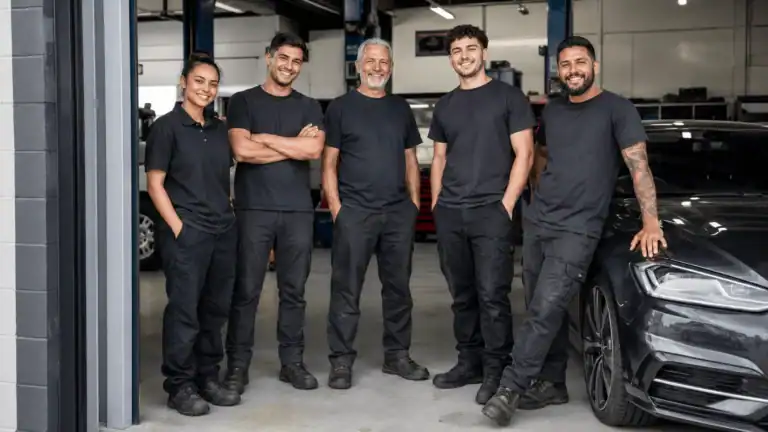
Brakes aren’t a place to cut corners or rush through. We’re a family-run workshop specialising in European vehicles, including Volkswagen, and we’ve been working on VW brake systems for over a decade. Our owner has hands-on mechanical experience across VW models and understands the common wear patterns, OEM specifications, and design quirks that generalist workshops often miss. We don’t upsell unnecessary work. If your brakes are safe and functional, we’ll tell you that. If they need attention, we’ll explain exactly what’s worn, why it matters, and what replacing it will achieve for your safety and driving experience. Every repair is explained before work begins, and you’ll never feel pressured into a decision.
Our workshop stocks quality parts with manufacturer warranties, and we use VW-approved service procedures and diagnostics. We’re owner-operated, which means the person who inspects your brakes is the same person who’ll be accountable for the work when you collect your car. That accountability matters when safety is on the line. With over 115 five-star reviews from local drivers, we’ve earned the trust of Northmead’s vehicle owners by delivering honest, transparent advice and quality work that lasts.
Next Steps: Get Your Brakes Inspected
If you’ve noticed any of the warning signs above, or if you’re due for a routine brake check, Call Us Now or Book Your Free Inspection online. We’ll get you in, diagnose what’s happening with your Volkswagen brakes, and explain your options with complete transparency. You’ll drive away knowing your brakes are either safe to continue using or properly restored to factory performance. That’s honest, quality work at a fair price from a workshop you can trust.